Understanding the True Cost of a Hot Tub
What Affects Hot Tub Price in 2025
The price of a hot tub in 2025 depends on several factors that go beyond the unit itself — including materials, brand reputation, energy efficiency, and installation requirements. Understanding these cost drivers helps homeowners make smarter, long‑term decisions without overspending.
- Material and Build Quality — Acrylic and fiberglass shells tend to cost more than inflatable or rotationally molded options because they offer better insulation, durability, and aesthetic appeal. Premium materials also retain heat longer, reducing monthly energy bills.
- Size and Seating Capacity — Smaller two‑person tubs usually start at a few thousand dollars, while larger six‑ to eight‑person hot tubs can double or triple that price due to additional jets, pumps, and structural reinforcement.
- Features and Technology — Built-in lighting, Wi‑Fi connectivity, Bluetooth speakers, and hydrotherapy jets all enhance comfort but also elevate cost. Smart monitoring systems that regulate temperature and chemical balance are becoming popular in 2025 and often influence pricing.
- Brand and Model Reputation — Established brands like Jacuzzi, Hot Spring, or Sundance Spas typically command higher prices due to reliability, warranty coverage, and quality support. Meanwhile, newer or lesser‑known brands can offer affordable alternatives with simpler functionality.
- Energy Efficiency and Insulation — Modern hot tubs with advanced insulation and energy‑saving pumps reduce long-term costs. While these models may carry a higher upfront price, they often deliver better lifetime value through lower electricity consumption.
- Accessories and Add‑Ons — Steps, covers, ozone sanitizing systems, or LED enhancements can add anywhere from $200–$1,000 to the final purchase, depending on customization choices.
By considering these elements, homeowners can narrow their search toward hot tubs that balance cost, comfort, and efficiency, rather than focusing solely on purchase price.
Average Price Ranges by Type (Inflatable, Acrylic, and Luxury)
Hot tub prices in 2025 vary significantly by construction type, with entry-level inflatable models offering affordability and premium acrylic or luxury options providing superior durability and features. Inflatable hot tubs suit casual users on tight budgets, while acrylic shells deliver better insulation for frequent use, and luxury models include high-end tech like app controls and multi-zone jets.
Here’s a breakdown of average 2025 price ranges across major categories:
| Hot Tub Type | Average Price Range | Key Features | Best For |
|---|---|---|---|
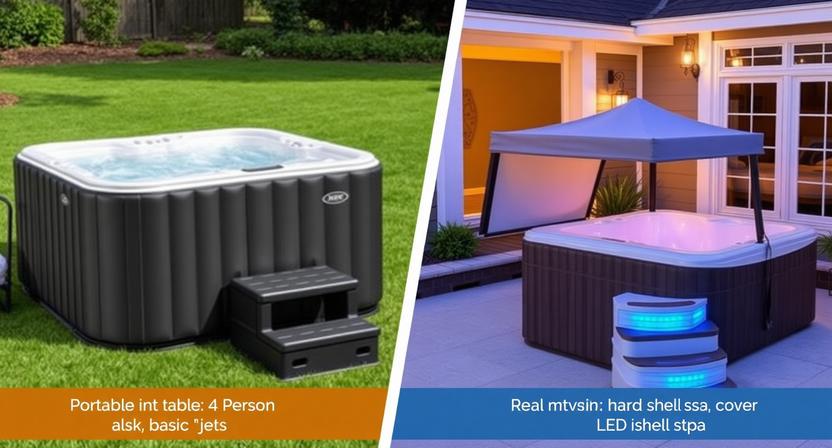
| Inflatable | $400 – $1,500 | Portable, easy setup, basic jets | Beginners, renters, occasional use |
| Acrylic/Rotomolded | $4,000 – $12,000 | Insulated shell, stronger pumps, covers | Families, daily relaxation |
| Luxury | $12,000 – $30,000+ | Smart controls, waterfalls, LED lights | Premium backyards, hydrotherapy |
These ranges exclude installation, which can add $1,000–$5,000 depending on location and electrical needs. Choosing the right type aligns upfront costs with long-term value, such as energy savings from better-insulated acrylic models.
Regional Price Differences and Energy Costs
Hot tub prices and ongoing energy expenses in 2025 fluctuate by region due to factors like dealer overhead, freight charges, local labor rates, and climate-driven electricity costs. Urban areas with higher demand, such as coastal cities, often see elevated pricing from increased delivery fees, while rural spots may benefit from lower installation quotes.
Energy-efficient models with strong insulation cut bills significantly, especially in cold regions where heating dominates costs at 1.5–6 kWh daily usage. Shop multiple local dealers to compare regional quotes and factor in electricity rates for accurate budgeting.
Hot Tub Cost Breakdown — From Purchase to Installation
Hot tub costs extend beyond the base unit price in 2025, encompassing delivery, professional setup, and essential electrical or plumbing modifications for safe operation. Budgeting for these elements ensures a smooth installation process without unexpected expenses.
Base Unit Prices by Category
Base prices for hot tubs in 2025 reflect size, capacity, and features, with entry-level models starting lower and premium ones commanding higher investments.
These figures represent the hot tub unit alone, before any add-ons or site work.
Delivery and Professional Installation Fees
Delivery and professional installation fees for hot tubs in 2025 typically range from $200–$500 for standard above-ground models, but can escalate to $800–$1,500 or more for crane-assisted placements in hard-to-access areas. Professional installation ensures safety and warranty compliance, averaging $150–$500 for basic setup on existing pads.
Many dealers bundle these fees or offer free local delivery, but always confirm upfront to avoid surprises. Opt for certified installers to prevent voided warranties from improper handling.
Setup, Electrical, and Plumbing Costs
Setup, electrical wiring, and plumbing modifications represent critical additional expenses for hot tub installation in 2025, often totaling $500–$3,000 depending on site conditions and local codes. Electrical upgrades for the required 220–240V service dominate costs, while plumbing is minimal for above-ground models that recirculate filtered water.
Homeowners in older homes may face higher electrical costs due to subpanel upgrades, while plug-and-play models under 120V minimize these needs. Consult licensed electricians early to comply with NEC standards and secure insurance coverage.
Long-Term Hot Tub Ownership Costs
Long-term hot tub ownership in 2025 involves ongoing electricity for heating, maintenance chemicals, and occasional repairs beyond the initial purchase and setup. These expenses typically total $50–$150 monthly, varying by usage, efficiency, and local energy rates.
Electricity and Heating Expenses
Electricity costs for hot tubs average $20–$75 per month in 2025, driven by heater and pump usage of 1.5–6 kWh daily at $0.13/kWh. Well-insulated models in mild climates keep bills low at $7–$30 monthly, while frequent heating in cold areas pushes toward $60+.
| Usage Level | Daily kWh | Monthly Cost ($0.13/kWh) |
|---|---|---|
| Light (30–60 min) | 1.5–3 | $7–$29 |
| Average (1–2 hrs) | 3–6 | $29–$58 |
| Heavy | 6+ | $60–$100+ |
Covers and efficient pumps reduce consumption by up to 50%.
Maintenance, Cleaning, and Chemical Costs
Hot tub maintenance in 2025 costs $200–$600 annually for chemicals, filters, and cleaning supplies, with professional services adding $100–$300 per visit. Regular testing and balancing prevent issues, keeping expenses predictable at $15–$50 monthly for most owners.
Investing in automatic sanitizers lowers chemical needs by 30–50%, enhancing water quality without extra labor.
Repair, Parts, and Warranty Considerations
Hot tub repairs in 2025 average $150–$1,000 per incident, with common issues like pump failures or heater malfunctions driving most costs after the initial 1–5 year warranty period. Extended warranties (up to 10 years) cover major components, reducing out-of-pocket expenses to diagnostics fees of $75–$200.
Choosing brands with robust warranties and service networks minimizes long-term repair risks, often saving thousands over the tub’s 10–15 year lifespan.
Comparing Hot Tub Types by Price and Value
Hot tub types differ significantly in 2025 pricing, durability, and long-term value, with inflatable models offering low entry costs but shorter lifespans, while hard-shell acrylic versions provide superior insulation and features.
Inflatable vs. Hard-Shell Hot Tubs — Cost and Durability
Inflatable hot tubs cost $400–$1,500 upfront with 2–5 year lifespans, but suffer higher energy use from poor insulation and vulnerability to punctures. Hard-shell acrylic models range $4,000–$12,000, last 10–20 years, and cut running costs through better heat retention and robust construction.
Hard-shell options deliver better value for frequent users despite higher initial investment.
2-Person, 4-Person, and 6-Person Hot Tubs Compared
Hot tub prices scale with seating capacity in 2025, as larger models require more materials, jets, and heating power for 2-person compact units to spacious 6-person family options.
Larger tubs like 6-person models increase energy costs due to higher water volume but offer better per-person value for frequent group soaks.
Which Hot Tub Offers the Best Value for Your Budget?
The best value hot tubs in 2025 balance upfront cost, energy efficiency, durability, and features, with mid-tier acrylic models around $8,000–$12,000 outperforming budget inflatables over time. Brands like Master Spas Balance or Hot Spring Hot Spot deliver reliable jets, insulation, and warranties without premium pricing.
Prioritize energy-efficient insulation and 5+ year warranties for maximum ROI, as these cut monthly bills by 30–50%.
Ways to Save on Hot Tub Purchases in 2025
Smart strategies in 2025 help offset hot tub costs through promotions, second-hand options, and efficiency-focused features that lower both upfront and operational expenses.
Seasonal Discounts and Dealer Promotions
Dealers offer substantial savings during Black Friday, Cyber Monday, and end-of-season sales in 2025, with discounts up to 35–70% or rebates of $1,000–$3,000 on select models. Holiday layaways and bundle deals on accessories further reduce totals.
Consider Buying Used or Refurbished Hot Tubs
Used or refurbished hot tubs cost 30–50% less than new ones, often $1,500–$8,000 for quality acrylic models with remaining lifespan, plus included extras like covers. Inspect for warranty remnants and service history to minimize risks.
Energy-Efficient Features That Save Money Over Time
Features like high-density foam insulation, dual pumps, and smart controls cut annual energy use by 20–50%, saving $100–$300 yearly on bills. Quality covers and timers enhance efficiency without added upfront costs.
Summary — Finding the Perfect Hot Tub for Your Home and Budget
This section recaps key insights from hot tub pricing, costs, and value strategies to guide informed purchasing decisions in 2025.
Key Takeaways Before You Buy
- Factor total ownership costs: $4,000–$30,000 upfront plus $50–$150 monthly for energy and maintenance.
- Prioritize acrylic mid-size models (4–6 seats) for best value, energy savings, and durability over inflatables.
- Shop seasonal deals, verify warranties, and get multiple quotes for installation to save 20–50%.
Recommended Hot Tub Brands and Price Ranges
Top brands in 2025 offer reliable options across budgets, with strong warranties and efficiency features.
Match your budget, space, and usage to these picks for optimal satisfaction and ROI.