


Why Is COVID Still Not Over?
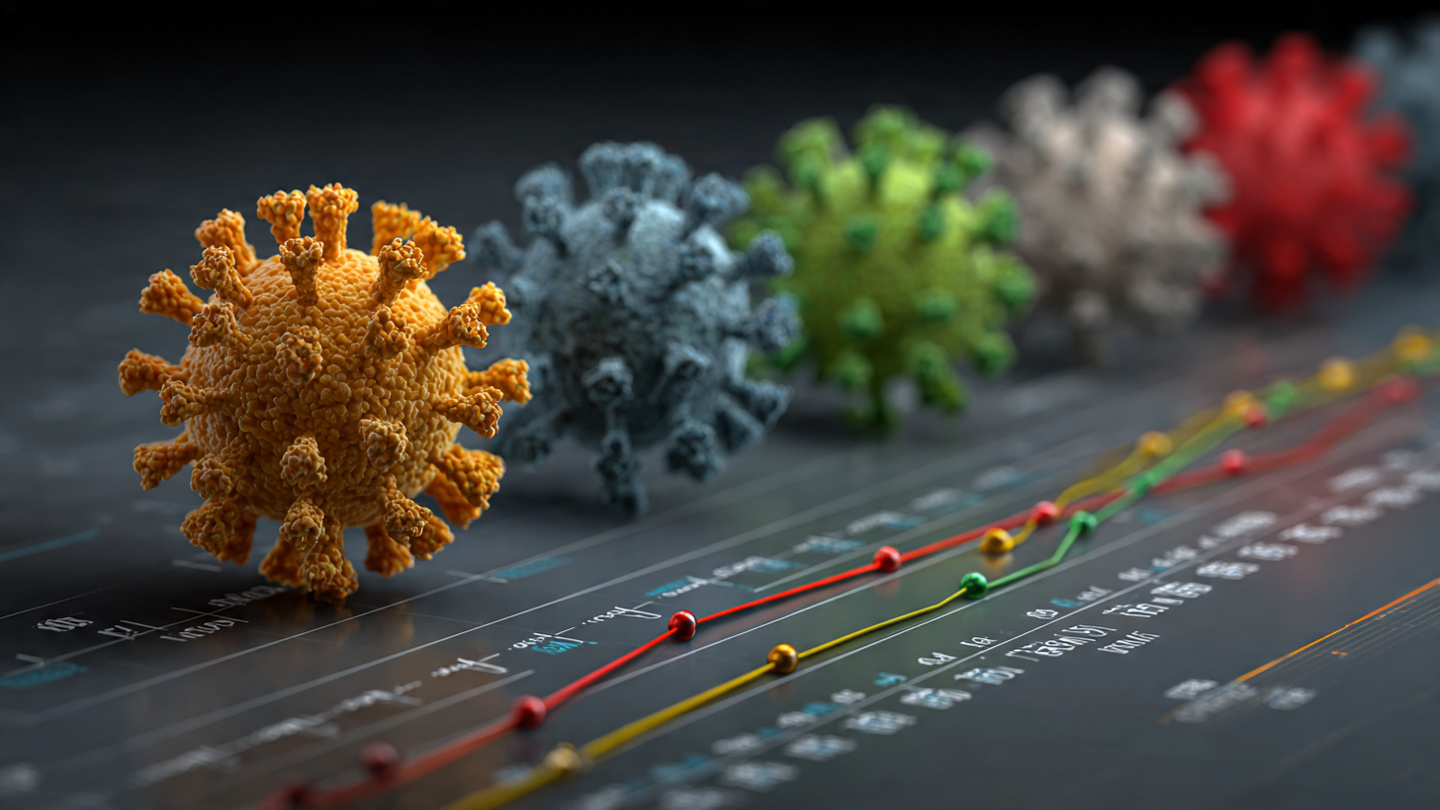
Although the world has moved past emergency lockdowns, COVID has not fully disappeared. One major reason is that the virus continues to evolve, creating new variants that spread at different speeds and affect people in unpredictable ways. Unlike diseases that fade quickly, COVID-19 has shown the ability to adapt, making long-term control more complex.
Another key factor is uneven immunity across populations. Immunity from vaccines and prior infections can weaken over time, especially among vulnerable groups such as older adults or those with underlying health conditions. This means new outbreaks can still occur, even in communities that previously experienced low case numbers.
Global differences in healthcare access also play a role. While some regions have strong vaccination coverage and monitoring systems, others face challenges in prevention and treatment. As a result, COVID continues circulating worldwide rather than disappearing entirely.
From a daily-life perspective, COVID’s persistence has reshaped how people think about health, safety, and home environments. Better ventilation, cleaner living spaces, and healthier indoor habits are now part of long-term lifestyle planning rather than temporary precautions.
How Long Will COVID-19 Continue to Affect Daily Life?
COVID-19 may no longer dominate headlines, but its influence on daily life is still noticeable. One of the most lasting changes is how people approach health awareness and personal safety. Many individuals remain cautious in crowded spaces, during seasonal outbreaks, or when illness spreads within communities.
Work and lifestyle habits have also shifted. Remote and hybrid work models remain common, changing how homes are used and designed. Living spaces now often serve multiple purposes, including work, study, and relaxation. This long-term adjustment suggests that COVID’s impact on everyday routines will likely continue, even as the virus becomes more manageable.
Social behavior has evolved as well. People are more conscious about hygiene, ventilation, and indoor air quality, especially in shared spaces. Simple habits—such as staying home when sick or prioritizing healthier indoor environment have become part of normal life rather than temporary measures.
Ultimately, how long COVID affects daily life depends on factors like variant behavior, immunity levels, and public health responses. While restrictions may not return on a large scale, the lifestyle changes shaped by the pandemic are likely to remain for years to come.
Is COVID Becoming Endemic or Will It Ever Disappear?
Many experts now describe COVID as moving toward an endemic phase, meaning it continues to exist but at more predictable and manageable levels. Endemic diseases do not vanish completely; instead, they become part of everyday life, much like seasonal flu. This shift explains why COVID cases still appear, even when there is no global emergency.
However, becoming endemic does not mean COVID is harmless. Infection rates can still rise during certain seasons or when new variants emerge. The key difference is that communities are better prepared through immunity, vaccination, and improved treatment options, reducing the overall severity of outbreaks.
Complete disappearance of COVID is unlikely. The virus spreads efficiently and circulates globally, making total elimination extremely difficult. Instead, long-term management focuses on minimizing disruption while allowing people to maintain normal routines.
As COVID settles into an endemic pattern, people are adapting their lifestyles accordingly. Homes, workplaces, and public spaces increasingly prioritize health-conscious design, improved airflow, and flexible living arrangements, reflecting a long-term response rather than a temporary one.
How Long Does Immunity Against COVID Last?
Understanding COVID immunity is one of the most pressing questions for both scientists and the public. Immunity can come from vaccination, previous infection, or a combination of both, but its duration is not permanent. Studies show that antibody levels gradually decrease over months, which can make individuals susceptible to reinfection, especially when new variants emerge.
Vaccines remain the most reliable method to boost immunity. However, their protection can wane over time, which is why booster shots are recommended for certain age groups or high-risk individuals. Similarly, immunity gained from prior infection varies widely depending on factors like age, health status, and severity of the original illness.
It’s important to note that immunity does not always prevent infection entirely but often reduces severity and complications. This explains why breakthrough cases occur but typically result in milder symptoms.
From a home and lifestyle perspective, awareness of immunity patterns encourages people to maintain healthy habits and safer living environments. Practices such as proper ventilation, regular cleaning, and minimizing exposure in crowded indoor spaces help reduce risk while scientists continue to study immunity over the long term.
Do New COVID Variants Change the Timeline?
New COVID-19 variants have significantly influenced how long the pandemic affects daily life. Variants emerge due to mutations in the virus, which can make them more transmissible, more resistant to immunity, or, in some cases, cause milder or more severe illness. Each new variant can shift public health strategies, vaccination recommendations, and even societal behavior.
For example, highly transmissible variants can trigger localized outbreaks, even in populations with high vaccination rates. This can temporarily slow the return to normal routines or require renewed health measures, like mask mandates or increased testing.
Variants also impact the timeline for achieving a stable, endemic state. As long as the virus evolves, scientists must monitor its mutations and update vaccines to maintain effectiveness. This constant adaptation makes it difficult to predict precisely when COVID will fully settle into a long-term pattern.
From a lifestyle perspective, variants remind us of the importance of resilient living spaces. Homes designed for comfort, flexible workspaces, and improved air quality help individuals maintain productivity and health during potential waves of infection.
What Scientists Still Don’t Know About COVID
Even after years of research, many unanswered questions about COVID-19 remain. Scientists are still studying the long-term effects, the full impact of new variants, and how immunity behaves over time. The virus’s ability to mutate unpredictably means that research is ongoing, and conclusions may evolve with new data.
Long COVID is one of the biggest mysteries. While many recover fully, a significant number of people experience lingering symptoms—such as fatigue, brain fog, or respiratory issues for months. Researchers are still trying to understand why some individuals are affected more severely and how to prevent or treat these conditions effectively.
Another area of uncertainty involves virus transmission in different environments. Questions remain about how factors like ventilation, humidity, and indoor density influence the spread, which continues to guide public health recommendations.
These unknowns affect daily life and home planning. People now prioritize well-ventilated living spaces, flexible room layouts, and cleaner environments, reflecting a cautious approach as science continues to catch up with the virus.
How Long Does Long COVID Last?
Long COVID refers to symptoms that persist for weeks or months after the initial COVID-19 infection has cleared. While most people recover within two to four weeks, some experience lingering effects such as fatigue, brain fog, shortness of breath, and joint pain. Studies suggest that 10–30% of COVID patients may develop long COVID, though severity and duration vary widely.
The duration of long COVID is unpredictable. Some individuals recover in a few months, while others may experience symptoms for six months or longer. Factors like age, underlying health conditions, and the severity of the initial infection play a role in recovery timelines.
Managing long COVID involves a combination of medical care, lifestyle adjustments, and home support. Simple changes such as improved sleep, healthy nutrition, stress management, and safe exercise routines can help speed recovery. Homes that prioritize comfort, good air quality, and quiet spaces for rest can support individuals dealing with long-term symptoms.
Ongoing research continues to uncover how long COVID affects different organs and systems, which will inform treatment strategies and public health recommendations in the future.
How Has COVID Changed the Way We Live at Home?
The COVID-19 pandemic has fundamentally reshaped how we use and design our homes. With lockdowns and remote work becoming common, homes transformed from simple living spaces into multi-functional environments—serving as offices, classrooms, gyms, and relaxation zones all at once.
Work-from-home setups became essential, prompting changes like dedicated home offices, better lighting, and ergonomic furniture. Even casual spaces, such as living rooms or bedrooms, were adapted to support virtual meetings or online learning, highlighting the importance of flexible and functional interiors.
Health and hygiene also gained prominence. Many people now focus on improved ventilation, air purifiers, regular cleaning, and touch-free solutions. These changes help minimize virus exposure and promote healthier living conditions—practices likely to continue long after the pandemic.
Additionally, the pandemic sparked interest in outdoor spaces and wellness-focused design. Balconies, terraces, and gardens became extensions of living areas, offering safe environments for work, exercise, or leisure. Homes are now being designed with both comfort and resilience in mind, reflecting long-term behavioral shifts initiated by COVID.
What the Future of COVID May Look Like
While the pandemic phase of COVID-19 may eventually end, the virus is expected to remain part of our lives for years to come. Experts predict that COVID will likely behave as an endemic disease, with seasonal outbreaks and manageable infection rates, similar to influenza.
The future will be shaped by factors such as vaccination updates, emerging variants, global immunity levels, and public health strategies. Continuous monitoring and rapid response to new mutations will remain essential to prevent large-scale outbreaks.
For individuals, this means ongoing adaptation in daily life and home environments. Flexible living spaces, health-conscious design, and attention to ventilation and hygiene will continue to be priorities. People may also adopt long-term habits like mask-wearing in crowded indoor settings during seasonal spikes or staying home when mildly unwell to protect themselves and others.
Ultimately, while COVID may never fully disappear, informed choices and resilient lifestyles can help communities coexist safely with the virus. Understanding these trends allows homeowners to create spaces that support both health and comfort, ensuring that life at home remains productive, safe, and enjoyable.
Conclusion
COVID-19 has permanently changed the way we think about health, safety, and life at home. While the virus may eventually become endemic, uncertainty around variants, immunity, and long-term effects means that vigilance and adaptation remain key. From flexible home spaces to improved hygiene practices, the lifestyle changes inspired by COVID are here to stay. By understanding these unanswered questions, individuals can make informed choices to protect themselves, support their families, and create safer, healthier living environments for the future.

