Physical Address
304 North Cardinal St.
Dorchester Center, MA 02124
Physical Address
304 North Cardinal St.
Dorchester Center, MA 02124
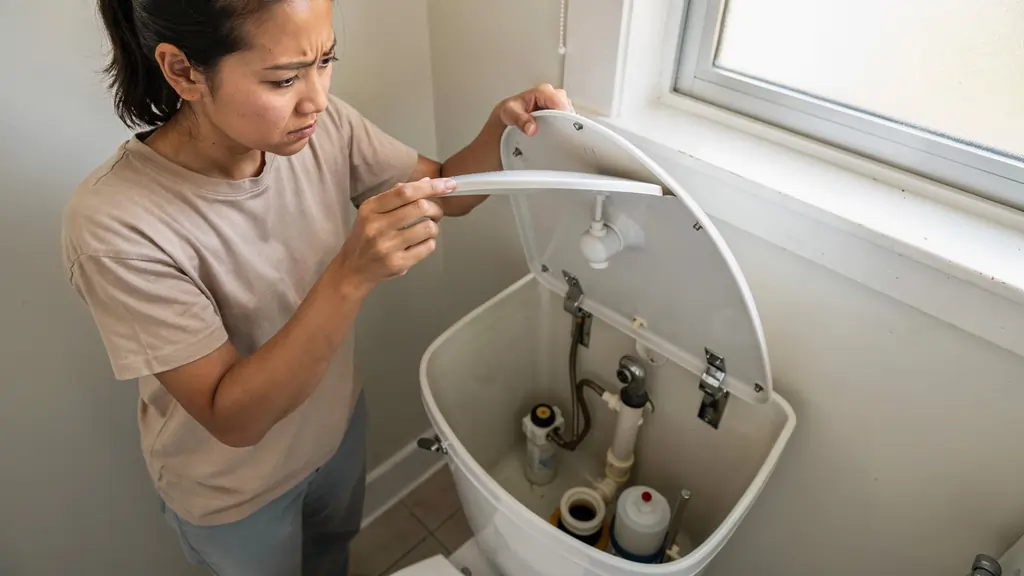
A slow-flushing toilet is one of those problems that starts small — a slightly lazy flush — and becomes increasingly frustrating the longer it goes unfixed. The good news is that the vast majority of slow flush problems fall into four specific causes, all of which a homeowner or renter can diagnose and fix in under an hour without any specialist plumbing system or bathroom maintenance.
This guide walks you through all four causes in order of likelihood, with step-by-step fixes for each one. It also includes a clear guide to when the problem has moved beyond DIY territory — so you know exactly when calling a plumber is the right call.
| What happens when you flush | Most likely cause — go to |
| Slow swirl, water drains eventually but weakly | Low water level in tank — Cause #1 |
| Water barely enters the bowl, flush is very weak | Clogged rim jets — Cause #2 |
| Water rises in the bowl before slowly draining | Partial drain clog — Cause #3 |
| Tank refills slowly, flush feels incomplete | Worn flapper or fill valve issue — Cause #4 |
| Multiple fixtures slow, gurgling in other drains | Sewer line or vent issue — Call a plumber |
The flush is powered by gravity and the volume of water released from the tank into the bowl. If the water level in the tank is too low, there simply is not enough volume to create a strong flush. This is the most common and most easily fixed cause of a slow flush.
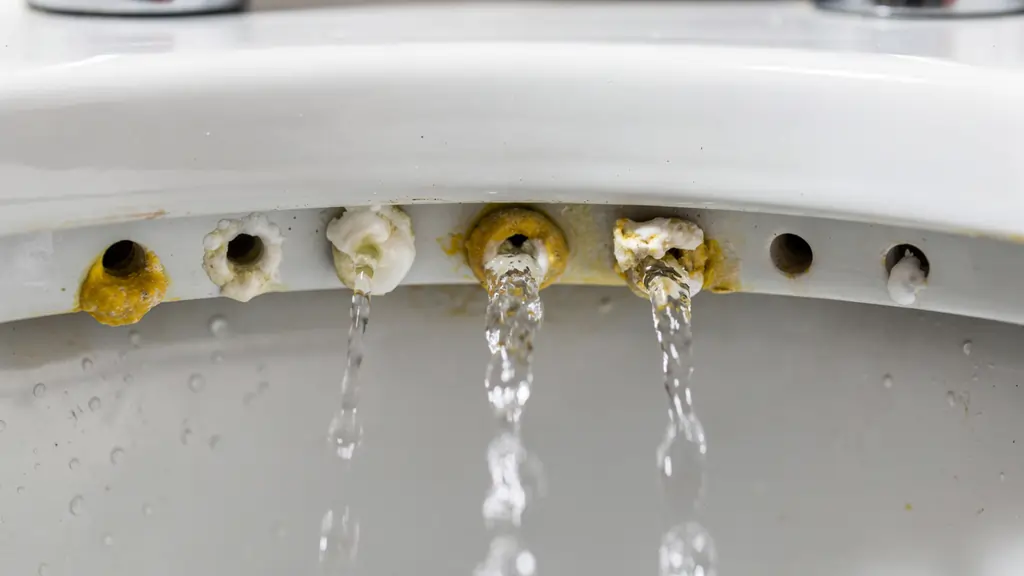
Look under the rim of the toilet bowl when you flush. You should see water pouring in from multiple small holes arranged all the way around the rim. These are called rim jets. Over time, calcium and mineral deposits from hard water build up inside these holes and block the flow, reducing flush power dramatically. In hard water areas, this is the single most common cause of a weak flush.
If water rises noticeably in the bowl before draining slowly, there is a partial obstruction somewhere in the drain path. The toilet may still flush — just slowly — because the clog is not complete enough to block it entirely. Common culprits are too much toilet paper, wipes (which should never be flushed regardless of ‘flushable’ claims), or a foreign object.
Step 1 — Plunger:
Use a flange plunger (the type with an extended rubber flap designed for toilets, not the flat-bottomed cup plunger for sinks). Ensure the plunger is fully submerged in water before plunging. Use 10 to 15 firm up-and-down strokes, maintaining a seal throughout. The suction dislodges most partial clogs.
Step 2 — Hot water and dish soap:
Squirt a few tablespoons of dish soap into the bowl, then slowly pour a bucket of hot (not boiling — boiling water can crack porcelain) water from waist height. The combination of soap as a lubricant and the force of the water from height dislodges many soft clogs.
Step 3 — Toilet auger (drain snake):
A toilet auger is a specifically designed tool for clearing toilet blockages — it has a rubber-coated cable to avoid scratching the bowl. Feed the cable into the drain, turn the handle to advance it through the blockage, and retrieve. Available at any hardware store for around $25–$40.
The flapper is the rubber seal at the bottom of the tank that opens when you flush and closes to allow the tank to refill. Over time, rubber flappers warp, harden, and lose their seal. A partially failing flapper allows water to constantly trickle from the tank into the bowl, keeping the tank from filling to the correct level for a strong flush.
Stop DIY and call a plumber if:
If you’ve already tried all four fixes and the issue still continues, it’s time to call a professional plumber. When multiple toilets or drains in your home become slow at the same time, this usually points to a main sewer line problem. Gurgling sounds coming from nearby drains after flushing often indicate a venting issue that may require roof access to inspect and repair. Water backing up into the shower or bathtub after a flush is a strong sign of a sewer line obstruction. Persistent sewage odors, even after trying DIY solutions, can suggest a failed wax ring or a blocked drain vent. A rocking toilet should never be ignored, as it often means the wax ring has failed and could eventually cause floor damage.
A sudden change rather than a gradual one is most often caused by a partial clog or a drop in the tank water level. Check the water level first — if it looks lower than usual, adjust the fill valve. If the water level looks normal, try the plunger. Gradual changes over weeks or months are more often caused by mineral buildup in the rim jets.
For standard gravity-fed toilets and bathroom smell — the type most homes have — the flush power comes from the volume and weight of water in the tank, not household water pressure. Low pressure mainly affects how quickly the tank refills after flushing, not the strength of the flush itself. If your tank is taking more than two minutes to refill, check the supply valve is fully open and the fill valve is functioning correctly.
Watch the water flow under the rim during a flush. It should enter evenly from holes all around the rim. If you see water entering from only a few spots, or if the water just runs down the front of the bowl without swirling, the jets are partially blocked. Confirm by holding a small mirror under the rim and looking for white or brown mineral deposits inside the holes.
No — and bleach can make things worse. Bleach does not dissolve mineral deposits, which is the most common cause of blocked rim jets. It also degrades rubber components in the flush mechanism if used in the tank regularly. Use white vinegar for mineral deposits (it dissolves calcium scale effectively) and a plunger or auger for drain clogs.
The food colouring test is the fastest way to find out. Add food colouring to the tank and wait 15 minutes without flushing. If colour appears in the bowl, the flapper is leaking. A running or trickling sound from the toilet between flushes is also a reliable indicator. Flappers are inexpensive and quick to replace — worth doing as routine maintenance every three to five years.
A slow toilet flush is rarely a plumber-level problem. Check the tank water level, clear the rim jets with vinegar, address any drain obstruction with a plunger or auger, and replace the flapper if it is leaking. Work through these four fixes in order and in the large majority of cases, you will have a fully functioning toilet before lunchtime — without spending a penny on a call-out fee.For the full picture on keeping your bathroom in good working order, see our home maintenance checklist by season — it schedules exactly when to check each of these components so problems stay small.