Physical Address
304 North Cardinal St.
Dorchester Center, MA 02124
Physical Address
304 North Cardinal St.
Dorchester Center, MA 02124
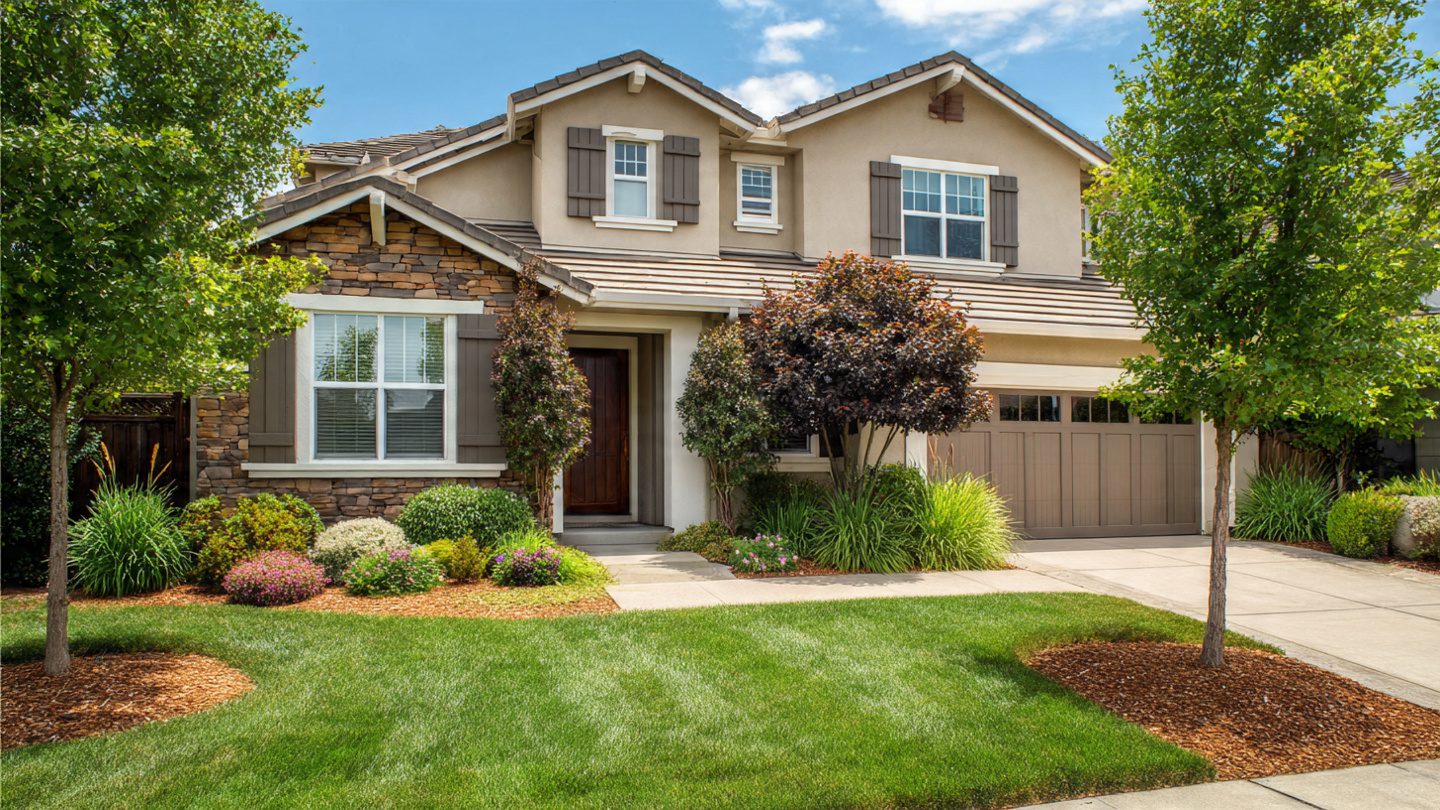
Small trees have become one of the most practical and visually impactful choices in modern landscaping. As residential lots become more compact and homeowners prioritize clean, structured outdoor designs, full-sized trees are not always the best fit. Small trees offer the perfect balance between beauty, scale, and functionality.
One of the biggest advantages of small trees for landscaping is their manageable size. Most varieties grow between 10 and 25 feet tall, making them ideal for front yards, foundation planting, patios, and narrow garden beds. Unlike large shade trees, they don’t overwhelm the architecture of your home. Instead, they enhance it, adding structure, symmetry, and visual depth without blocking windows or dominating the yard. To complete your home’s curb appeal, pair your landscaping with these stunning black windows exterior ideas.
Another reason small trees are perfect for modern homes is their versatility. Whether you prefer flowering trees for seasonal color, evergreen small trees for year-round greenery, or ornamental trees with unique foliage, there are options for every design style. From minimalist landscapes to cottage-inspired gardens, compact trees create a polished and intentional look.
Maintenance is also much easier compared to larger trees. Small trees require less pruning, produce less leaf debris, and are generally safer during storms due to their lighter structure. Many varieties are even drought-tolerant or suitable for container planting, making them perfect for urban landscaping.
Finally, small trees significantly boost curb appeal. A thoughtfully placed ornamental tree near an entryway, driveway, or walkway instantly elevates the appearance of your home. They create focal points, soften hard edges, and make landscapes feel complete.
For homeowners looking to add beauty without overwhelming their space, small trees are truly the smart landscaping solution.
Choosing the right small trees for landscaping isn’t just about appearance; it’s about selecting a tree that fits your space, climate, and long-term design goals. The right choice will enhance curb appeal, require minimal maintenance, and thrive for years without causing structural or root issues. Once your outdoor space is planted, protect it by learning how to get rid of chipmunks under decks and patios.
Here’s how to make a smart decision:
One of the most common landscaping mistakes is planting a tree without considering its mature size. Even small trees can vary significantly, typically growing between 10 and 25 feet tall.
Before planting, check:
For front yard landscaping, compact trees with a balanced canopy create symmetry without blocking windows or overpowering your home’s facade. Always allow enough space between the tree and structures like driveways, fences, and foundations.
Your design goals should guide your choice between flowering and evergreen small trees.
If you want bold curb appeal during blooming season, flowering varieties are ideal. If privacy and consistent color matter more, evergreen options may be the better fit.
Many homeowners combine both types for layered landscaping that looks attractive throughout the year.
Different small landscaping trees have different sunlight and soil needs. Some thrive in full sun, while others perform better in partial shade.
Before choosing a tree:
Planting a tree suited to your climate dramatically improves growth, flowering performance, and long-term health.
Ask yourself what role the tree will play in your landscape design:
Small trees can serve as focal points, soften architectural lines, or add vertical interest in compact spaces. Clarifying your purpose ensures your landscaping feels intentional rather than random.
If you plan to plant near your foundation, driveway, or walkway, choose small trees with non-invasive root systems. Compact ornamental trees are generally safer, but it’s still important to research root behavior.
Proper spacing prevents future structural damage and reduces long-term maintenance costs.
For busy homeowners, low-maintenance small trees are often the best investment. Look for varieties that are:
Selecting the right tree from the beginning saves time, money, and frustration later.
Small trees are powerful design elements that can completely transform your outdoor space. Below are some of the best small trees for landscaping that offer beauty, manageable size, and strong curb appeal.
We’ll go one tree at a time with a consistent structure to improve UX and search performance.
The Japanese Maple is one of the most popular small ornamental trees for landscaping, and for good reason. Known for its delicate, deeply cut leaves and vibrant seasonal color, this compact tree adds elegance to almost any front yard or garden design.
10–25 feet (depending on variety)
Japanese Maple trees provide year-round visual interest. In spring and summer, they showcase rich green or burgundy foliage. In fall, they explode with brilliant red, orange, or golden tones — making them a true curb appeal booster.
Their graceful branching structure also adds architectural interest, especially in modern and minimalist landscapes.
They thrive in partial shade to full sun (depending on climate) and prefer well-draining soil. Japanese Maples are relatively low-maintenance, though they benefit from light pruning to maintain shape.
For homeowners looking for a statement tree that stays compact, Japanese Maple is an excellent landscaping choice.
If you’re looking for small trees for landscaping that deliver bold color and extended blooming periods, Crape Myrtle is a standout choice. This compact ornamental tree is especially popular in warm climates thanks to its vibrant flowers and impressive heat tolerance.
10–20 feet (dwarf and semi-dwarf varieties available)
Crape Myrtle trees bloom from late spring through summer, producing clusters of flowers in shades of pink, red, white, or purple. Few small flowering trees offer such a long-lasting display.
Beyond the blooms, this tree provides additional seasonal interest:
This multi-season beauty makes it one of the best small trees for front yard landscaping and curb appeal enhancement.
Crape Myrtles thrive in full sun and well-drained soil. They are drought-tolerant once established and require minimal maintenance. Light pruning in late winter helps maintain shape and encourages strong blooming.
For homeowners who want vibrant color without planting a large tree, Crape Myrtle is one of the most reliable and visually striking options.
The Eastern Redbud is one of the most eye-catching small flowering trees for landscaping, especially in early spring. Before many trees even leaf out, this compact ornamental tree bursts into vibrant pink and purple blooms, instantly transforming your yard.
15–25 feet
Eastern Redbud trees are known for their dramatic early-season blossoms that grow directly along the branches, creating a unique and stunning display. This makes them one of the best small trees for curb appeal in spring.
After the blooming season, the tree develops heart-shaped green leaves that provide soft texture throughout summer. In fall, the foliage often turns warm yellow tones, offering multi-season interest.
Because of its moderate size and graceful canopy, the Eastern Redbud works beautifully in small front yards where larger trees would feel overwhelming.
This small landscaping tree performs best in full sun to partial shade and prefers well-drained soil. It is relatively low-maintenance, though occasional pruning helps maintain a balanced shape.
The Eastern Redbud is ideal for homeowners who want bold spring color, manageable growth, and a tree that makes a statement without taking over the landscape.
Dwarf Magnolia trees are a luxurious choice for homeowners who want the classic beauty and fragrance of magnolias without the size of a full-grown tree. Their elegant blooms and glossy evergreen leaves make them a top pick for small yards and modern landscaping projects.
10–15 feet
Dwarf Magnolias produce large, fragrant flowers—typically white—that bloom from late spring to early summer. Their evergreen foliage provides year-round color and structure, making them a versatile addition to any garden.
These small trees offer a sculptural presence without overwhelming limited spaces. Their slow, compact growth makes them perfect for foundation planting or as a focal point near patios or entrances.
Dwarf Magnolias thrive in full sun to partial shade and prefer rich, well-drained soil. They are relatively low-maintenance but benefit from occasional pruning to maintain a symmetrical shape and encourage blooms.
For homeowners who value fragrance, year-round greenery, and elegant blooms in a compact form, Dwarf Magnolia is an exceptional small tree choice.
The Flowering Dogwood is a beloved small tree that combines elegance, seasonal interest, and manageable size, making it a timeless choice for landscaping. Its signature spring blooms and distinctive branching structure bring charm to any yard.
15–25 feet
Flowering Dogwoods are famous for their showy white, pink, or red bracts that appear in spring, creating a dramatic display in small front yards. In summer, their lush green foliage provides soft texture, and in fall, they produce striking red berries and foliage, offering multi-season beauty.
Its naturally layered branching adds architectural interest without overwhelming a space, making it ideal for smaller gardens and front yard focal points.
Flowering Dogwoods thrive in partial shade to full sun and prefer well-drained, slightly acidic soil. They are relatively low-maintenance but benefit from mulching and occasional pruning to maintain shape and health.
For homeowners seeking a classic, multi-season small tree that enhances curb appeal, Flowering Dogwood is an excellent and reliable choice.
Dwarf Alberta Spruce is a compact evergreen tree that brings year-round structure and greenery to small landscapes. Its dense, conical shape and low-maintenance nature make it a favorite for modern yards, formal gardens, and container planting.
6–12 feet
This small evergreen tree maintains a symmetrical, tidy form without much pruning, providing a polished look throughout the year. Its dark green needles add texture and depth to gardens, complementing flowering plants and seasonal décor.
Because of its slow growth and compact size, the Dwarf Alberta Spruce is perfect for foundation planting, entryways, or as accent trees in front yards where space is limited.
Dwarf Alberta Spruce thrives in full sun to partial shade and prefers well-draining soil. It is drought-tolerant once established and requires minimal maintenance. Light pruning can be done to remove dead branches or maintain shape.
For homeowners looking for a tidy, evergreen focal point that doesn’t overwhelm their yard, Dwarf Alberta Spruce is a smart and elegant small tree choice.
The Serviceberry Tree is a versatile small tree that offers beauty throughout the year, making it an excellent addition to front yards and small gardens. Its delicate blossoms, colorful fruit, and vibrant fall foliage provide a dynamic visual experience across seasons.
15–25 feet
Serviceberry trees produce clusters of white flowers in early spring, creating an elegant, soft display. By summer, the tree bears small edible berries that attract birds and pollinators, adding life and movement to your landscape. In the fall, its leaves transform into shades of red, orange, and yellow, giving the yard striking seasonal color.
The tree’s naturally upright and compact growth habit makes it ideal for small spaces, providing beauty without crowding other plants.
Serviceberry trees thrive in full sun to partial shade and prefer moist, well-draining soil. They are relatively low-maintenance, though occasional pruning can help maintain their shape and encourage healthy growth.
For homeowners seeking a small tree that provides flowers, fruit, and fall color, the Serviceberry Tree is a multi-season landscaping winner.
The Japanese Snowbell is a charming small tree prized for its delicate, fragrant white flowers and elegant drooping branches. Its compact size and graceful appearance make it ideal for front yards, patios, and small garden spaces.
15–25 feet
This ornamental tree blooms in late spring to early summer, producing clusters of bell-shaped white flowers that gently hang from its branches, creating a soft and romantic look. Its medium-green foliage provides a beautiful backdrop even when the tree is not flowering.
The Japanese Snowbell’s subtle, refined beauty works well in minimalist landscapes, cottage gardens, and as a focal point near entryways or patios. Its compact growth habit ensures it won’t overwhelm smaller yards.
Japanese Snowbell trees prefer partial shade to full sun and well-drained, slightly acidic soil. They are relatively low-maintenance but benefit from occasional pruning to maintain their elegant shape and remove any dead or crossing branches.
For homeowners seeking a refined, flowering small tree with seasonal charm, the Japanese Snowbell is a perfect choice for adding both fragrance and beauty to any small landscape.
Dwarf Citrus Trees are small, versatile trees that combine beauty with practical benefits. Ideal for patios, small gardens, and container planting, these trees offer year-round greenery, fragrant blossoms, and edible fruit.
6–12 feet (depending on variety)
Dwarf Citrus Trees, such as lemon, lime, or orange varieties, provide a compact solution for homeowners who want both ornamental appeal and fresh fruit. Their glossy evergreen leaves create a lush backdrop, while spring blooms release a pleasant citrus fragrance. By summer and fall, colorful fruit adds visual interest and functionality.
These small trees are perfect for creating focal points on patios, balconies, or small garden beds, adding both style and utility to your outdoor space.
Dwarf Citrus Trees thrive in full sun and well-draining soil. They need regular watering but are relatively low-maintenance when grown in containers. Fertilizing during the growing season encourages flowering and fruit production.
For homeowners who want a small tree that is both decorative and functional, Dwarf Citrus Trees offer a fragrant, evergreen, and fruit-bearing solution perfect for small spaces.
Crabapple Trees are small ornamental trees that provide a striking combination of spring blooms, summer greenery, and vibrant fall foliage. Their manageable size and multi-season appeal make them a top choice for small yards and front yard landscaping.
15–25 feet
Crabapple Trees are celebrated for their spectacular spring flowers, which range from soft pinks to deep reds. In summer, the tree develops attractive green foliage, and in the fall, many varieties produce colorful leaves and small, decorative fruit that attract birds.
Its compact, rounded shape makes the Crabapple Tree ideal for creating focal points in front yards or along walkways without overwhelming the space. This versatility ensures year-round interest and adds a dynamic visual element to landscaping designs.
Crabapple Trees thrive in full sun and well-draining soil. They are moderately low-maintenance but benefit from pruning after flowering to maintain shape and encourage healthy growth. Disease-resistant cultivars are ideal for minimizing maintenance.
For homeowners seeking a small tree with exceptional spring flowers and fall interest, the Crabapple Tree is a reliable and visually rewarding choice for compact landscapes.
The Western Redbud is a small ornamental tree prized for its stunning early spring blooms and compact growth habit. Its vibrant flowers and manageable size make it an excellent choice for small yards and urban landscaping projects.
10–20 feet
Western Redbud trees produce clusters of bright pink to magenta flowers in early spring, often before leaves emerge, creating a dramatic and eye-catching display. The tree’s naturally rounded shape provides balance in small landscapes, while its moderate spread ensures it won’t dominate the yard.
Throughout summer, its heart-shaped leaves provide lush greenery, and in fall, foliage often turns yellow to golden tones, offering multi-season interest. This combination of compact size and seasonal beauty makes it ideal for front yards, patios, or small garden beds.
Western Redbud thrives in full sun to partial shade and prefers well-draining soil. It is relatively low-maintenance, requiring minimal pruning, and is drought-tolerant once established.
For homeowners seeking a vibrant, compact tree that delivers early spring color and seasonal appeal, the Western Redbud is a reliable and visually striking choice.
The Star Magnolia is a compact ornamental tree known for its fragrant, star-shaped white flowers that bloom in early spring, often before leaves appear. Its small size and elegant appearance make it ideal for front yards, patios, and garden focal points.
10–15 feet
Star Magnolia trees deliver dramatic early spring displays with their profuse, fragrant flowers, creating instant curb appeal. The tree’s compact and upright growth habit fits perfectly into small landscapes, making it a favorite for homeowners with limited space.
The glossy green foliage provides a lush backdrop throughout summer, and its delicate branching adds structure and texture even when not in bloom.
Star Magnolias thrive in full sun to partial shade and prefer well-draining, slightly acidic soil. They are low-maintenance but benefit from light pruning after flowering to maintain a tidy shape and encourage healthy growth.
For homeowners looking for a small tree with early, fragrant blooms and year-round visual appeal, Star Magnolia is an elegant and reliable choice.
The Hawthorn Tree is a versatile small tree known for its ornamental flowers, bright berries, and hardy nature. Its compact size, multi-season appeal, and adaptability make it an excellent choice for small yards and residential landscaping.
15–25 feet
Hawthorn Trees bloom in late spring with clusters of white or pink flowers, adding soft color to the landscape. In summer, the tree produces glossy green leaves, and by fall, it offers vibrant red or orange berries that attract birds, enhancing the yard’s ecological value.
Its natural, rounded growth habit provides structure without overwhelming small spaces. Many varieties also have thornless cultivars, making them suitable for front yards and areas near walkways.
Hawthorn Trees thrive in full sun to partial shade and tolerate a variety of soil types. They are drought-tolerant once established and low-maintenance, requiring minimal pruning to remove dead or crossing branches.
For homeowners seeking a hardy, ornamental tree that delivers flowers, berries, and seasonal color, the Hawthorn Tree is a reliable and visually appealing choice for small landscapes.
The Japanese Zelkova is a small to medium-sized tree admired for its graceful shape, dense foliage, and elegant structure. Its manageable size and refined appearance make it an excellent choice for front yards, patios, and compact urban landscapes.
20–25 feet
Japanese Zelkova trees offer a natural, vase-shaped canopy that provides light shade while maintaining an airy and open feel. Their bright green leaves turn beautiful shades of yellow, orange, or red in fall, offering multi-season appeal.
The tree’s clean branching and upright growth make it a stylish choice for modern and minimalist landscapes. Its resilience to urban conditions and moderate growth rate also ensures it remains manageable in small spaces.
Japanese Zelkova thrives in full sun to partial shade and prefers well-draining soil. It is drought-tolerant once established and requires minimal maintenance, with occasional pruning to maintain shape and encourage healthy growth.
For homeowners seeking a small tree that provides shade, elegance, and seasonal color, Japanese Zelkova is a sophisticated and practical landscaping option.
The Hornbeam Tree is a compact, ornamental tree known for its tidy growth habit, dense foliage, and durability. Its elegant structure and manageable size make it ideal for small landscapes, formal gardens, and urban front yards.
20–25 feet
Hornbeam Trees have naturally symmetrical, upright branches that create a clean and structured appearance. Their dark green leaves provide a lush backdrop throughout spring and summer, and in fall, the foliage turns striking shades of yellow and orange.
This small tree is highly adaptable and can be used as a focal point, an accent tree, or part of a small hedge. Its compact form ensures it won’t overwhelm limited yard spaces while still providing visual interest year-round.
Hornbeam Trees thrive in full sun to partial shade and prefer well-draining soil. They are low-maintenance, drought-tolerant once established, and require only occasional pruning to maintain shape.
For homeowners seeking a structured, hardy, and low-maintenance small tree, Hornbeam offers elegance, versatility, and year-round appeal.
Holly Trees are small evergreen trees that provide year-round greenery and striking seasonal features, including vibrant berries. Their compact size, dense foliage, and ornamental appeal make them ideal for small landscapes, front yards, and garden accents.
10–25 feet (depending on variety)
Holly Trees maintain a lush, green canopy throughout the year, providing structure and visual appeal even in winter. Wide varieties produce bright red berries in fall and winter, adding color and attracting wildlife to your yard.
The tree’s naturally dense and upright growth makes it perfect for foundation planting, entryways, or as a focal point in small gardens. Its evergreen nature ensures your landscape looks polished year-round.
Holly Trees thrive in full sun to partial shade and prefer well-draining, slightly acidic soil. They are relatively low-maintenance, requiring occasional pruning to maintain shape and encourage berry production.
For homeowners who want an evergreen small tree with year-round beauty and seasonal interest, Holly Trees are a practical and visually appealing choice.
The Amur Maple is a small ornamental tree that offers stunning fall color, compact size, and versatile landscaping options. Its manageable growth and vibrant foliage make it ideal for small yards, patios, and front yard focal points.
15–20 feet
Amur Maple trees are prized for their brilliant red, orange, and yellow leaves in the fall, creating a dramatic seasonal display. In spring and summer, the glossy green foliage provides lush coverage, while the tree’s upright and rounded growth habit keeps it compact and manageable.
This small tree works well as a standalone specimen, along walkways, or in mixed garden beds. Its multi-season beauty ensures visual interest year-round.
Amur Maples thrive in full sun to partial shade and tolerate a variety of soil conditions. They are drought-tolerant once established and low-maintenance, with occasional pruning to maintain shape and enhance fall color.
For homeowners seeking a small tree that delivers vibrant fall foliage, compact growth, and year-round beauty, the Amur Maple is a top landscaping choice.
The Sweetbay Magnolia is a versatile small tree known for its fragrant, creamy white flowers and glossy, semi-evergreen leaves. Its compact size and adaptability make it ideal for small yards, patios, and front yard landscapes.
10–25 feet
Sweetbay Magnolia produces fragrant flowers in late spring to early summer, attracting pollinators while adding a touch of elegance to any garden. Its glossy leaves remain semi-evergreen in mild climates, providing year-round structure and beauty.
With its moderate growth habit, this small tree is easy to maintain and can serve as a focal point, accent tree, or container plant. Its graceful branching and aromatic blooms make it both functional and visually appealing.
Sweetbay Magnolias thrive in full sun to partial shade and prefer moist, well-draining soil. They are relatively low-maintenance but benefit from occasional pruning to maintain shape and promote healthy growth.
For homeowners looking for a fragrant, compact, and adaptable small tree, Sweetbay Magnolia offers year-round appeal and multi-seasonal beauty.
The Kousa Dogwood is a compact ornamental tree celebrated for its showy spring flowers, attractive summer foliage, and vibrant fall color. Its manageable size makes it ideal for small yards, patios, and front yard landscaping.
15–20 feet
Kousa Dogwoods bloom in late spring with star-shaped white or pink flowers that add elegance and curb appeal. In summer, their glossy green leaves provide lush texture, and in fall, the foliage turns shades of red and purple. Some varieties even produce small ornamental fruit that attracts birds, enhancing garden biodiversity.
Its naturally rounded shape and moderate growth habit make it perfect for small spaces, serving as a focal point or accent tree without overwhelming the yard.
Kousa Dogwoods thrive in full sun to partial shade and prefer well-draining soil. They are relatively low-maintenance, requiring light pruning to maintain shape and promote healthy growth.
For homeowners seeking a small tree with multi-seasonal beauty, striking flowers, and fall interest, Kousa Dogwood is an outstanding landscaping choice.
The Paperbark Maple is a small ornamental tree prized for its striking cinnamon-colored peeling bark, compact size, and vibrant fall foliage. Its distinctive appearance makes it an excellent choice for adding year-round interest to small yards and front yard landscapes.
15–25 feet
Paperbark Maple trees provide a multi-seasonal visual experience. In spring and summer, their glossy green leaves create a lush backdrop. In fall, foliage transforms into brilliant shades of orange, red, and copper, creating a dramatic focal point. Even in winter, the tree’s exfoliating bark adds texture and interest to your landscape.
Its slow growth and naturally compact form make it ideal for small gardens, patios, and foundation planting. The Paperbark Maple is perfect for homeowners looking for a unique, low-maintenance, and visually striking small tree.
Paperbark Maples thrive in full sun to partial shade and prefer well-draining soil. They are low-maintenance, drought-tolerant once established, and require minimal pruning to maintain shape.
For homeowners seeking a small tree that combines unique bark, vibrant seasonal foliage, and compact growth, Paperbark Maple is a top choice for any small landscape.
Small trees are the unsung heroes of modern landscaping. Their compact size, multi-season interest, and versatility make them perfect for front yards, patios, and small gardens. From the elegant Japanese Maple to the vibrant Amur Maple and the fragrant Star Magnolia, there is a small tree to suit every style, climate, and purpose.
When selecting the right small tree for your landscape, consider factors such as mature height, sun and soil requirements, seasonal interest, and maintenance needs. Thoughtfully chosen small trees not only enhance curb appeal but also create structure, focal points, and harmony in your outdoor space.
By incorporating these 20 small trees into your garden design, you can enjoy year-round beauty, manageable maintenance, and a welcoming outdoor environment that elevates your home’s aesthetic.