Physical Address
304 North Cardinal St.
Dorchester Center, MA 02124
Physical Address
304 North Cardinal St.
Dorchester Center, MA 02124
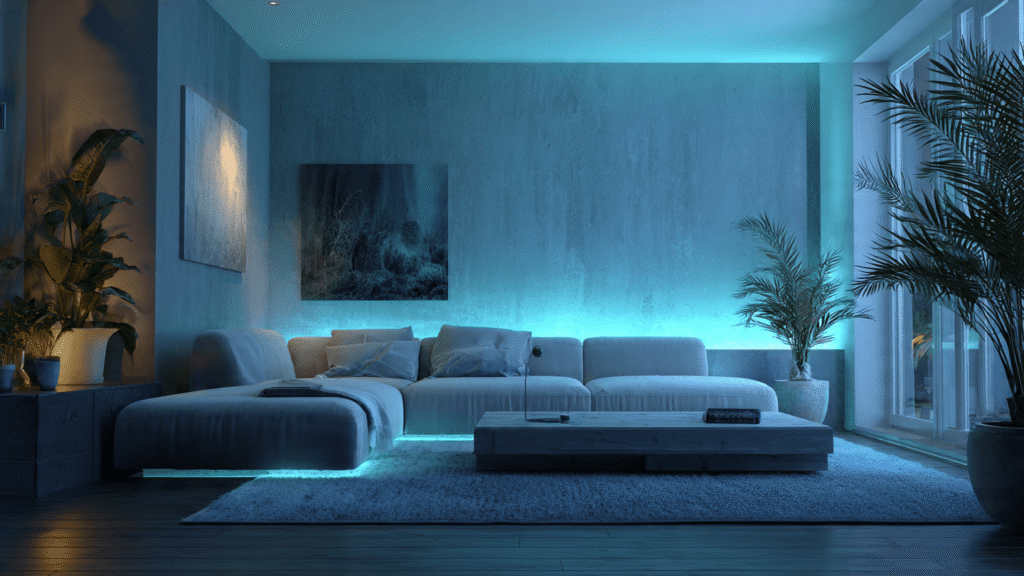
Glow in the dark paint is one of the few home decor additions that genuinely looks different depending on the time of day. By daylight, it’s understated, a pale, barely-there tint on your walls or ceiling. After dark, the same surface comes alive with a soft, cool glow that can turn an ordinary bedroom into a night sky, a child’s room into a galaxy, or a garden path into something quietly magical.
It’s more accessible than most people think. A single small tin of quality phosphorescent paint is enough for a bedroom ceiling constellation, a staircase safety accent, or a set of glowing garden stones. But there’s a lot of confusion online about how glow paint actually works — particularly the difference between phosphorescent and fluorescent paint. Tudor and cottage-style homes with dark wood interiors are ideal candidates for subtle glow accents along architectural details. This guide sets the record straight and gives you everything you need to use it well.
True glow in the dark paint — technically called phosphorescent paint contains tiny particles made from minerals called phosphors. The most common modern formulation uses strontium aluminate doped with europium, which is roughly ten times brighter and longer-lasting than the older zinc sulfide-based formulas used in children’s toys through the 1990s.
When light hits these particles — whether from sunlight, LED bulbs, or UV light they absorb and store that energy in their chemical structure. When you turn the lights off, the stored energy releases gradually as visible light, producing the characteristic soft blue-green glow. The brighter and longer the charging exposure, the brighter and longer the glow, typically 3 to 8 hours per charge for good-quality paint, fading gradually as the stored energy depletes. If bold home design excites you, explore the goat eye pattern, the boldest interior trend of the year.
The glow isn’t magic — it’s physics. Phosphorescent pigments store light energy and release it slowly in the dark, just like a rechargeable battery releases electrical energy.
<
By daytime, most quality glow paints appear as a pale, near-transparent wash on surfaces, which means they can be layered over existing wall colors or used invisibly on ceilings for a “surprise” effect that only reveals itself after dark. Cheaper formulations tend to leave a more noticeable milky tint in daylight, which is worth considering if you want a subtle effect.
This is the most commonly misunderstood aspect of glow paint, and getting it wrong leads to buying the wrong product for your project. These are two completely different things:
| Instantly, while the UV light is on | 🌙 Phosphorescent Paint | 💡 Fluorescent Paint |
|---|---|---|
| Common name | “Glow in the dark paint” | “Blacklight paint” / UV paint |
| How it works | Stores light energy, releases it slowly in darkness | Re-emits UV light immediately as visible color |
| Glows in total darkness? | ✓ Yes for hours after charging | ✗ No only under UV/blacklight |
| Needs UV blacklight? | ✗ No charges under any light | Pale, near-transparent, or light tint |
| Daytime appearance | Pale, near-transparent or light tint | Vivid neon colors (yellow, pink, green, orange) |
| Best for | Bedrooms, kids’ rooms, stairways, garden paths | Party rooms, feature walls, theatrical effects |
| Glow duration | 3–8 hours (gradual fade) | Instant only while UV light is on |
For most home decor applications, bedroom ceilings, kids’ room murals, garden stones, and staircase safety lines, you want phosphorescent paint. Fluorescent paint requires you to permanently install a UV blacklight source in the room to see any effect, which most homeowners don’t want.
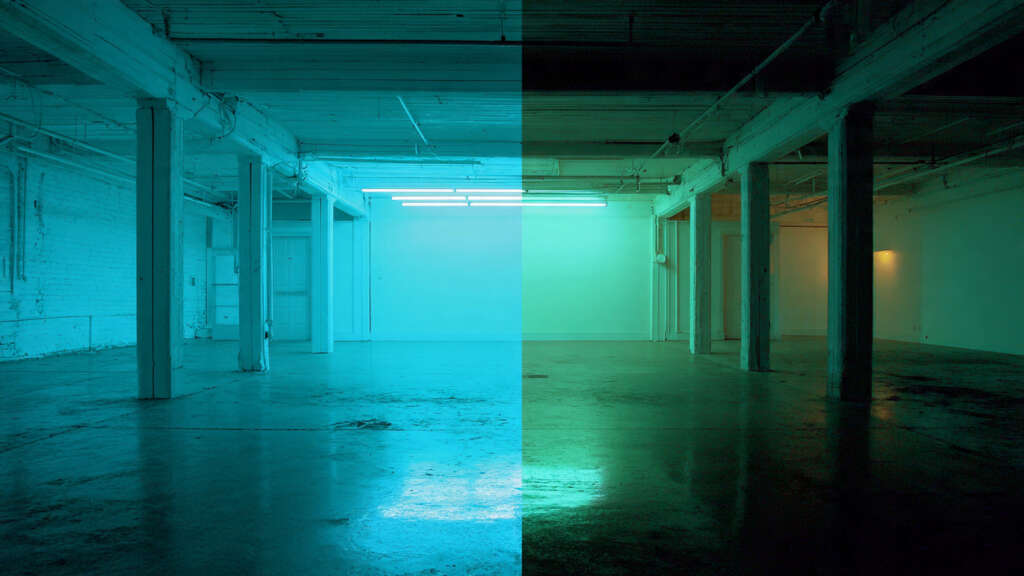
Genuine nighttime atmosphere without additional fixtures. One of glow paint’s most practical advantages is that it creates soft ambient lighting after dark without any wiring, bulbs, or ongoing energy costs. A glowing ceiling adds calm, low-level light to a bedroom — enough to navigate the room at night without disturbing sleep, and enough to eliminate the need for a nightlight in children’s rooms.
It works on almost any surface. Walls, ceilings, wood furniture, garden stones, terracotta pots, fabric, metal, and plastic all accept phosphorescent paint with appropriate priming. This versatility means a single can can serve multiple projects throughout your home.
Non-toxic and safe when using quality products. Modern strontium aluminate-based phosphorescent paints are considered chemically inert and non-toxic for decorative use. The key is choosing water-based, low-VOC formulations, particularly important for children’s rooms and enclosed spaces. Look for products that conform to ASTM D4236 safety standards.
Subtle by day, dramatic by night. Unlike most decorative paint effects, glow paint is reversible in practice during daylight hours; it’s nearly invisible on most surfaces. You get the dramatic effect at night without permanently changing the daytime appearance of your room. Combine glow effects with a coastal palette; these beachy decor ideas offer the perfect visual inspiration.
The classic application — painting a star map or constellation pattern on the ceiling using phosphorescent paint. Apply over a dark or neutral ceiling for maximum contrast. A realistic star map makes for a deeply personal effect. You can also trace headboards or crown molding for a soft glow.
The most popular and forgiving use case. Glow stars, moon phases, animals, or alphabets can be easily stenciled. The soft glow provides comfort at bedtime without disrupting sleep. Use safe, water-based glow paints for best results.
Use glow paint subtly as an accent — thin lines along shelves, fireplaces, or geometric wall designs. It looks modern during the day and transforms into a glowing framework at night.
Charges naturally in sunlight. Paint stepping stones, pots, or garden edges for a subtle glowing pathway at night. Use weather-resistant paint and seal for durability.
A practical safety feature — glow lines along stair edges guide movement at night without needing lights. Ideal for children and elderly users.
Add a soft glow around mirrors or tile lines for a spa-like nighttime effect. Helps navigate without harsh lighting. Use moisture-resistant formulas.
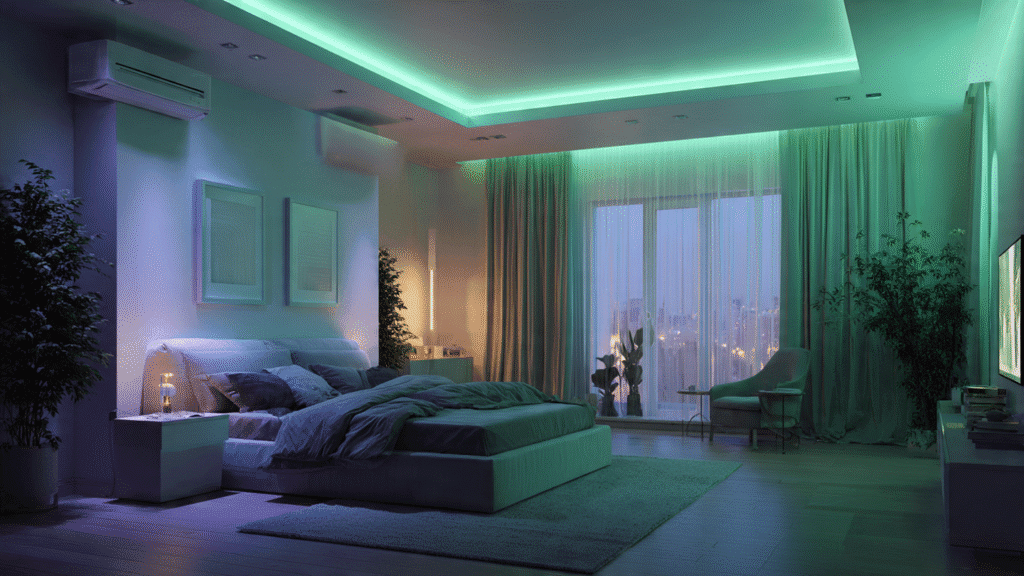
The application process is straightforward, but the results depend heavily on surface preparation and layering technique. Rushing either of these is the most common reason glow paint disappoints. If this project sparks a wider interest in DIY decorating, you might want to build your DIY home improvement skills more broadly.
Remove dust, grease, and loose paint. Wipe with a damp cloth and let it dry completely. Any contamination reduces adhesion and dims the glow effect.
This is the most important step. On dark surfaces, glow can drop up to 70%. A white base reflects and amplifies brightness. Let it dry at least 2 hours (24 hours ideal).
Use a brush, roller, or spray. Apply 2–3 thin coats for better brightness and uniform glow. Let each coat dry 15–30 minutes before the next.
After drying, expose to bright light for 15–30 minutes. Sunlight or LED works best. UV light provides faster and stronger charging.
Apply a clear, water-based sealant for protection against moisture and wear. Indoor walls usually don’t require sealing unless high-traffic.
🔵 Pro tip: To create an invisible glow, design one that can’t be seen in daylight, use a transparent phosphorescent medium (available from specialist art suppliers) instead of pigmented paint. The nighttime effect looks identical, while the surface remains completely unchanged during the day.
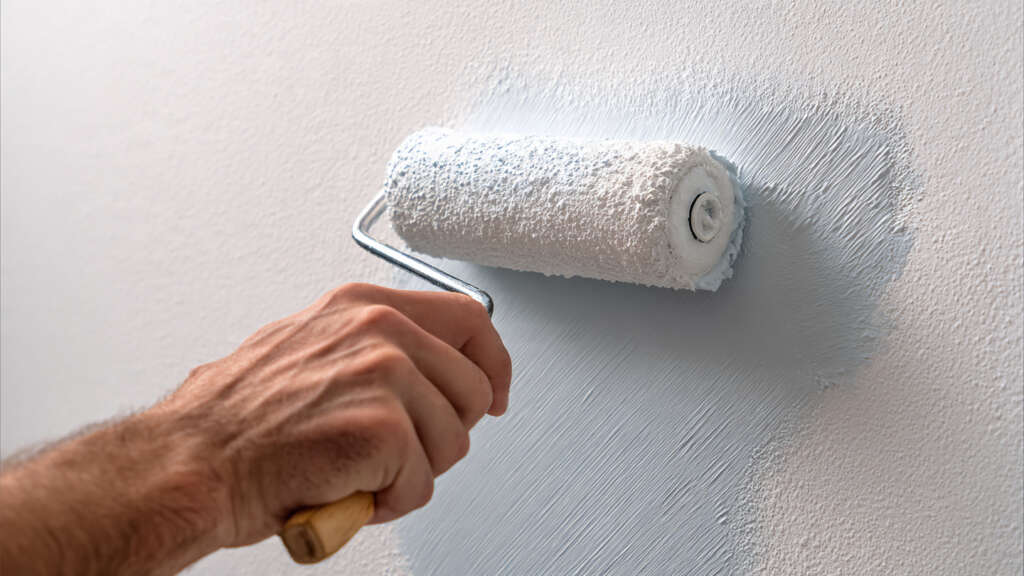
Not all glow paints are equal, and the price difference between good and poor quality is substantial in terms of brightness and glow duration. Here’s what to look for on the label or product description:
Strontium aluminate pigment: the best modern formulation. About 10× brighter and longer-lasting than the older zinc sulfide-based paints. If the product doesn’t specify which phosphor it uses, assume it’s zinc sulfide (cheaper, dimmer, shorter glow).
Water-based, low-VOC formula: essential for indoor use and children’s rooms. Solvent-based glow paints exist (and are better for outdoor durability) but should only be used in well-ventilated spaces.
ASTM D4236 certification: the American standard for art material safety. This label means the product has been reviewed by a toxicologist and meets safety standards for art and craft use. It’s the clearest safety signal on a paint product label.
Glow duration claim of 6+ hours: cheap products claim 2–3 hours; quality strontium aluminate paints should sustain a visible glow for 6–12 hours after a good charge. Be skeptical of products claiming 24+ hours, as this is generally overstated.
Well-regarded brands in the UK and USA include Rust-Oleum, Plaid, FolkArt, Deco Art, and specialist suppliers like SpaceBeams. For wall-scale projects, buying a pigment powder and mixing it into a quality zero-VOC paint base gives you more control over concentration and cost.
Use water-based, low-VOC, ASTM D4236-certified paint. Strontium aluminate is chemically inert and non-toxic for decorative use. Avoid solvent-based formulas in enclosed or poorly ventilated rooms.
Keep windows open during application and drying. Even water-based paints can irritate airways. Allow 4–6 hours of ventilation before sleeping in the room.
Clean gently with a soft, damp cloth. Avoid scrubbing or harsh chemicals, which can wear down phosphorescent particles. Sealed surfaces can handle normal cleaning.
Glow paint can recharge indefinitely. Over time, wear and UV exposure may reduce brightness. Refresh with a light sand and a new thin coat if needed.
Use a clear exterior sealant for outdoor projects. Re-seal every 2–3 years. Without protection, weather can degrade the paint over time.
The glow is usually soft and calming. For light-sensitive sleepers, place glow elements on ceilings or use lower-intensity pigments.
⚠️ Important: Modern decorative glow paints are non-radioactive and safe. However, if you encounter old glow-in-the-dark paint, particularly on vintage clocks, watches, or instruments, do not sand or disturb it without professional guidance, as some pre-1970s formulations used radium or promethium-based phosphors that are genuinely hazardous.
How long does glow in the dark paint last on walls?
Properly applied and maintained, glow paint on interior walls can last 10+ years. The pigments don’t degrade chemically — brightness reduces mainly due to surface wear. Low-traffic areas typically maintain a strong glow for 5–10 years before needing a touch-up.
Why is my glow paint barely visible — what went wrong?
The most common issues are applying over a dark surface without a white base coat and using too few layers. A white base reflects and amplifies the glow. If 3 coats on white still look weak, the paint may be low-quality — consider switching to a strontium aluminate formula.
Can I mix glow paint with regular wall paint?
Yes, you can mix phosphorescent pigment into water-based paint. However, darker colors reduce glow intensity. For best results, use a white or light base or apply glow paint separately on top.
Is glow paint safe in a baby’s nursery?
Yes, water-based, low-VOC, ASTM D4236-certified paints are safe when applied properly. Ensure good ventilation during application and let the paint cure for 72 hours before use. The glow can even act as a gentle nightlight.
Can glow paint be used on furniture?
Yes, it works well on wood, MDF, and metal. Lightly sand, apply a white primer, then 2–3 thin glow coats, and finish with a clear topcoat. Ideal for edges, handles, and trims.
What’s the difference between glow paint and UV/blacklight paint?
Glow paint (phosphorescent) stores light and glows in darkness. UV/blacklight paint (fluorescent) only glows under UV light. For home decor, glow paint is more practical, while UV paint suits party or theatrical setups.
Glow in the dark paint is one of the more underused tools in home decoration. It’s affordable, versatile, non-toxic when you choose the right product, and it produces a genuinely unique effect that standard paint simply can’t replicate.
The most important things to get right: choose phosphorescent over fluorescent if you want true darkness glow, always start with a white base coat, build up in multiple thin layers, and pick a strontium aluminate-based product for the best brightness and longevity.
From a child’s bedroom ceiling to a glowing garden path — the same basic principles apply. Prepare properly, layer patiently, charge well, and the result will surprise you.
Looking for more home decor inspiration? Explore our House Styles & Trends and DIY & Home Hacks sections for more ideas.