Physical Address
304 North Cardinal St.
Dorchester Center, MA 02124
Physical Address
304 North Cardinal St.
Dorchester Center, MA 02124
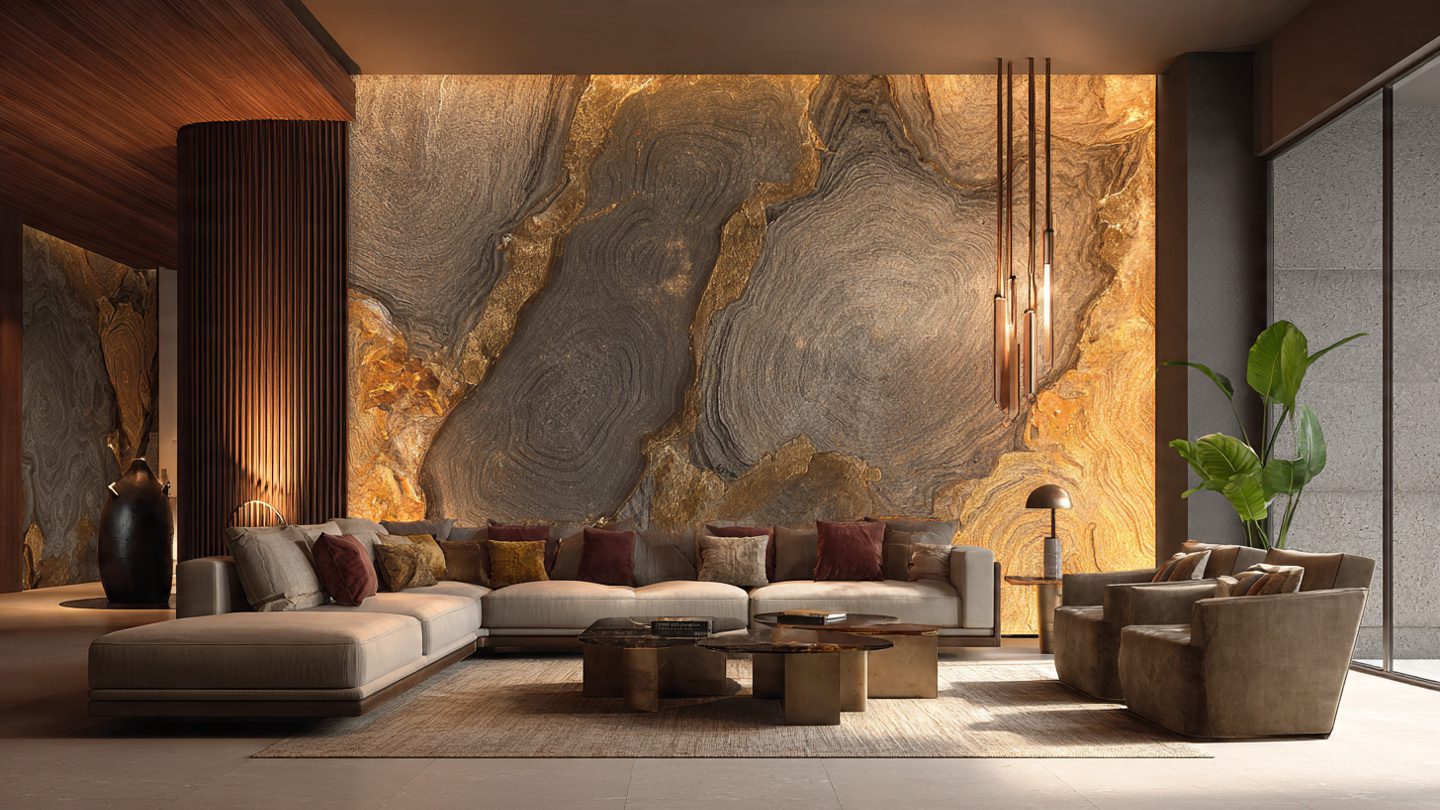
The goat eye pattern refers to a striking natural stone formation characterized by circular, oval, or elliptical shapes that resemble the shape of a goat’s eye. This organic pattern appears in certain types of marble and granite, where mineral deposits form layered rings or bold focal shapes within the stone.
In interior design, goat eye stone is valued for its dramatic movement and natural artistry. Unlike uniform marble patterns, the goat eye effect creates a bold, almost sculptural visual impact, making it ideal for statement surfaces. The goat eye pattern pairs effortlessly with organic modern cottage designs. Explore the full style guide.
The name comes from the resemblance to a goat’s distinctive horizontal pupil. The circular or elongated mineral formations within the stone mimic the layered look of an eye, giving the material its memorable nickname.
Although it’s not an official geological term, “goat eye marble” or “goat eye stone” has become a popular phrase in design discussions and supplier catalogs.
The goat eye effect forms naturally over millions of years through mineral crystallization and sedimentary layering. Variations in pressure, heat, and mineral composition cause circular inclusions to develop inside the stone. Pair your goat eye stone interiors with bold black windows exterior ideas for a cohesive, high-contrast home design.
Common materials where this pattern appears include:
Because each slab forms uniquely, no two bold stone patterns are ever identical, making it highly desirable in luxury interiors.
What makes this pattern stand out?
✔ Bold circular or oval formations
✔ High contrast mineral rings
✔ Organic, nature-inspired movement
✔ Dramatic focal-point appeal
✔ Earthy or neutral color palettes
Unlike subtle veining found in traditional marble, goat eye stone creates visual drama. That’s why designers often use it as:
Modern design is shifting toward organic textures and biophilic elements. Homeowners are increasingly drawn to materials that feel raw, natural, and visually dynamic. If you appreciate bold vintage interiors, explore this complete 1950s home decor guide for authentic mid-century style.
The goat eye pattern fits perfectly into this movement because it:
In a world of plain white countertops, a bold stone pattern introduces depth, movement, and character.
The rise of the goat eye pattern isn’t accidental. In recent years, interior design has shifted away from ultra-minimal, flat surfaces toward expressive, nature-inspired materials. Designers are now embracing bold natural stone patterns that feel authentic, organic, and visually powerful.
Goat eye marble and granite stand out because they break the monotony of safe, predictable surfaces. Instead of subtle veining, this pattern delivers movement, contrast, and a focal-point effect that instantly elevates a space.
Today’s homeowners are craving depth and texture. Smooth white walls and simple countertops are being replaced with:
The goat eye stone trend fits perfectly into this shift. Its circular mineral formations create natural movement, adding dimension without artificial design elements.
Unlike printed patterns, goat eye marble offers authentic geological artistry, something modern luxury interiors increasingly prioritize. For another bold home trend, explore creative glow in the dark paint ideas for unique home decor.
The popularity of goat eye surfaces is also linked to the broader movement toward nature-inspired interiors. Homeowners want their spaces to feel grounded, warm, and connected to the natural world.
Natural stone patterns like goat eye:
✔ Add visual depth
✔ Create a sense of organic flow
✔ Introduce earthy elegance
✔ Make interiors feel unique and personal
Because each slab is one-of-a-kind, natural stone features bring exclusivity, a key driver in luxury design trends.
Biophilic design focuses on incorporating natural materials, light, and textures into interior spaces to improve well-being and aesthetic harmony.
The goat eye pattern supports biophilic principles by:
Designers are calling it bold, not because it’s loud, but because it confidently showcases nature’s raw beauty.
Unlike classic Carrara-style veining or uniform quartz surfaces, natural stone features feel dynamic and artistic. It commands attention, making it ideal for:
In a design landscape filled with repetition, goat eye marble offers something distinctive and memorable, which is exactly why trend forecasters are highlighting it as one of the boldest home design movements emerging this year.
The dramatic movement of the goat eye stone makes it ideal for statement applications rather than subtle background surfaces. Because of its bold circular formations and natural contrast, it works best where it can become a focal point.
Here are the most impactful ways to use the goat eye pattern in modern interiors.
The kitchen is one of the most popular spaces for showcasing goat eye marble or granite. A large island surface allows the natural stone pattern to fully unfold, highlighting its organic rings and mineral depth.
Why it works in kitchens:
✔ Creates a luxurious centerpiece
✔ Pairs beautifully with neutral cabinetry
✔ Adds warmth to minimalist designs
✔ Enhances modern organic interiors
For balance, designers often pair goat eye countertops with:
This prevents the space from feeling visually overwhelming while allowing the stone to shine.
Bathrooms are perfect for bold materials because of their smaller scale. A natural stone feature vanity instantly transforms an ordinary bathroom into a spa-like retreat.
The organic texture adds depth and richness, especially when paired with:
In luxury homes, designers may extend goat eye marble across the vanity, backsplash, and even shower walls for a cohesive, high-end look.
If you want maximum visual impact, a goat eye feature wall is the ultimate statement.
Because of its dramatic mineral formations, this natural stone pattern works beautifully in:
The circular movement of the stone naturally draws the eye, making it ideal for areas you want guests to notice immediately.
For large walls, choosing slabs with balanced pattern distribution is key to maintaining visual harmony.
While less common, goat eye granite can be used for flooring in expansive entryways or open-concept homes. The pattern adds character and creates a memorable first impression.
However, flooring applications work best when:
This keeps the space feeling sophisticated rather than busy.
Beyond traditional uses, goat eye stone can also be incorporated into:
These smaller applications allow homeowners to enjoy the bold goat eye pattern without overwhelming the entire space.
Because goat eye marble is visually dynamic, it performs best when treated as the hero material. Surround it with calm textures like:
This creates contrast and enhances the natural beauty of the stone.
When choosing between goat eye marble and goat eye granite, understanding their differences is essential. While both feature the distinctive circular mineral formations that define the natural stone feature, their performance, durability, and maintenance requirements vary significantly.
Selecting the right material depends on where you plan to use it and how much maintenance you’re comfortable with.
Both materials showcase the bold goat eye natural stone pattern, but their visual impact can differ.
Goat Eye Marble:
Goat Eye Granite:
If you’re aiming for a softer organic look, marble may feel more refined. For high contrast and bold presence, granite often stands out more.
Durability is one of the biggest differences between marble and granite.
Marble Considerations:
For kitchens and heavy-use areas, goat eye granite is generally the more practical choice. Marble works beautifully in lower-traffic spaces like bathrooms or decorative features.
Both goat eye marble and granite require sealing to protect their surface. However, marble typically needs more frequent maintenance.
Goat Eye Marble Maintenance:
Goat Eye Granite Maintenance:
Homeowners who prefer low-maintenance materials often lean toward granite.
Pricing varies depending on slab quality, origin, and rarity of the bold stone pattern.
Generally:
Keep in mind that highly dramatic slabs with perfectly centered circular formations often command premium pricing.
Choose goat eye marble if:
Choose goat eye granite if:
Both materials offer the same organic visual appeal; the decision ultimately comes down to function, lifestyle, and maintenance preference.
Like any natural material, goat eye stone comes with both advantages and considerations. While its dramatic mineral formations make it visually striking, it may not suit every interior style or homeowner preference.
Understanding the pros and cons helps you decide whether the bold stone pattern aligns with your space, lifestyle, and long-term design goals.
No two slabs of goat eye marble or granite are ever identical. The circular mineral formations develop naturally over time, ensuring a completely exclusive look.
For homeowners seeking individuality, this natural stone pattern delivers unmatched character.
The goat eye pattern acts as a built-in focal point. Whether used for countertops, accent walls, or fireplace surrounds, it immediately draws attention and adds depth.
In minimalist interiors, it prevents the space from feeling flat or sterile.
Because it’s a natural stone surface, goat eye marble integrates seamlessly into organic interior styles. It pairs beautifully with:
This makes it ideal for modern homes embracing nature-inspired design.
Exotic natural stone patterns are often associated with high-end interiors. The bold, artistic appearance of goat eye granite or marble elevates a space instantly.
In open-concept homes, a dramatic stone surface can significantly enhance overall visual value.
Because the goat eye pattern is visually dynamic, it can dominate compact rooms if not styled carefully.
Design tip: Use it as a focal feature rather than covering multiple large surfaces in the same room.
Goat eye marble requires sealing and careful cleaning to prevent staining or etching. Granite is more forgiving but still benefits from proper care.
Homeowners seeking ultra-low-maintenance surfaces may prefer engineered stone alternatives.
While stunning in modern, contemporary, or organic interiors, goat eye stone may not suit:
Its bold mineral formations require thoughtful styling to avoid visual clutter.
Highly defined circular formations are rarer and may cost more. Installation also requires experienced professionals to properly align the pattern for maximum impact.
Goat eye natural stone is ideal if you:
It may not be the best choice if you prefer subtle, uniform finishes or extremely understated interiors.
Because this pattern is naturally bold and dynamic, styling it correctly is essential. When used thoughtfully, goat eye marble or granite becomes a sophisticated focal point. When overused, it can visually overwhelm a room.
The key is balance.
Here’s how to incorporate goat eye stone into your interior design while maintaining harmony and elegance.
Neutral tones allow the organic movement of goat eye marble to stand out without competing elements.
Best color pairings include:
These shades create breathing space around the stone, letting its circular mineral formations remain the visual highlight.
Avoid pairing goat eye stone with busy wallpaper or heavily patterned textiles this can make the space feel chaotic.
Since granite and marble are rooted in natural geology, they pair beautifully with other organic materials.
Consider combining with:
This approach strengthens the biophilic interior design aesthetic and makes the stone feel intentional rather than overpowering.
Lighting dramatically affects how the pattern appears.
Best lighting practices:
Proper lighting enhances the depth and mineral contrast within goat eye marble, making the pattern feel luxurious rather than heavy.
One of the most important styling rules:
Let the goat eye stone be the hero.
Instead of covering floors, countertops, and walls in the same pattern, choose one dominant surface, such as:
This keeps the space visually balanced and refined.
If your goat eye marble slab has high contrast and dramatic circular formations, opt for:
This prevents visual competition and enhances the natural artistry of the stone.
The reason the goat eye stone works so beautifully in modern interiors is contrast. Pair bold mineral formations with calm surroundings. Pair dramatic texture with simple forms.
When styled intentionally, the goat eye pattern becomes a sculptural element, almost like built-in art.
The goat eye pattern has emerged as a bold, nature-inspired interior trend, but homeowners and designers often ask: Is it just a fad or a lasting design staple?
Here’s why the goat eye stone trend is likely to remain relevant in modern interiors.
Natural stone has always held a strong place in luxury design. Materials like marble, granite, and onyx are valued not only for aesthetics but also for durability and authenticity.
The goat eye pattern, with its organic mineral formations, aligns perfectly with:
Because it highlights the inherent beauty of nature, goat eye marble doesn’t feel tied to fleeting color palettes or seasonal patterns it has enduring visual appeal.
Modern design increasingly prioritizes materials that foster a connection to the natural world. The goat eye stone trend taps into this by:
Designers predict that nature-inspired textures will continue to dominate interiors for years, which suggests goat eye patterns will stay relevant.
Each slab of goat eye marble or granite is unique. This scarcity and exclusivity increase its desirability among high-end homeowners and luxury designers.
Statement surfaces that feel personal and rare are less likely to become outdated, unlike mass-produced patterns.
Interior design experts forecast that statement natural surfaces, bold textures, and biophilic elements will continue to grow in popularity. The goat eye stone fits into this movement perfectly:
In short, goat eye marble isn’t a passing trend; it’s part of a broader, long-term shift toward organic, expressive luxury interiors.