Physical Address
304 North Cardinal St.
Dorchester Center, MA 02124
Physical Address
304 North Cardinal St.
Dorchester Center, MA 02124
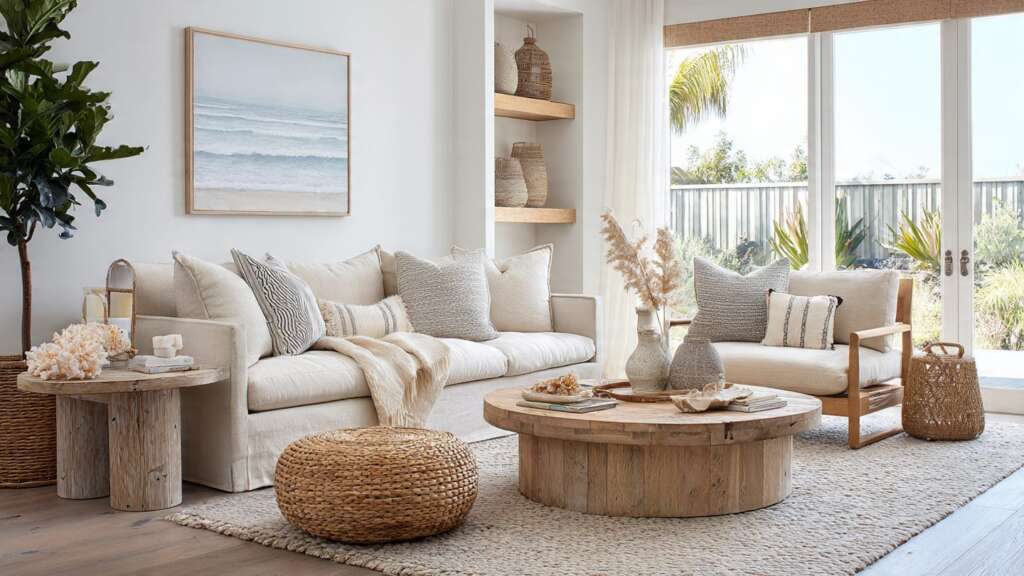
The appeal of coastal decor is universal. It creates a sense of calm, space, and connection to nature. A beachy interior does not depend on living near the ocean. You can achieve it in a city apartment, a suburban living room, or a landlocked cottage. The effect comes from light, colour, texture, and material choices, not geography.
The difference between calming coastal decor and a seaside gift shop look is restraint. Interior designers agree on this point. The most common mistake is treating coastal style as a theme instead of a mood.
This guide covers seven distinct ideas. It also explains common pitfalls to avoid in each one. The goal is to help your coastal home feel elevated, not kitschy. Choose the right seating for your coastal living room. Here’s a full comparison of modular sofa vs sectional options.
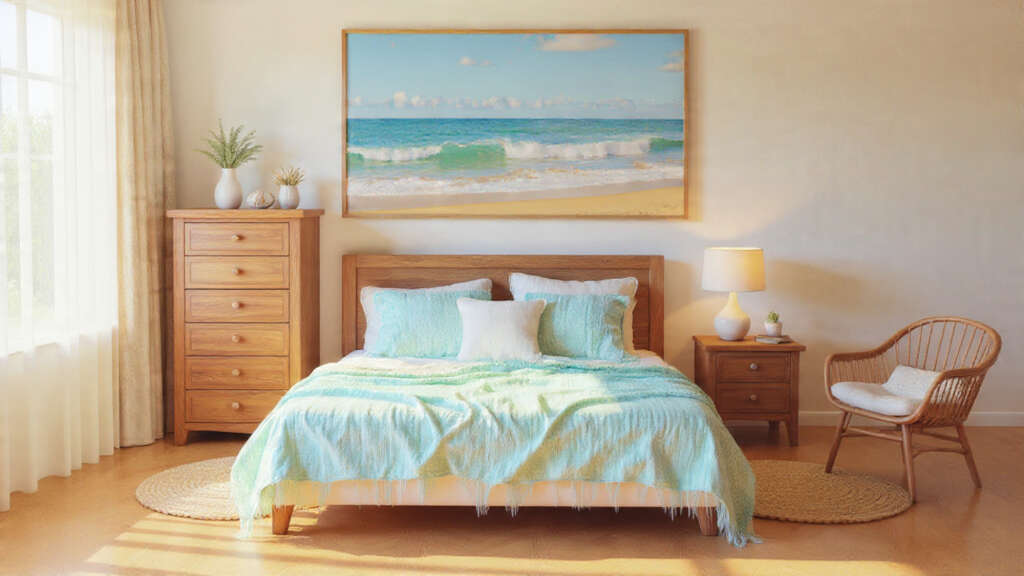
The most important distinction in coastal colour is the one between inspiration and imitation. Beaches aren’t bright blue and white — they’re sand-coloured, driftwood-grey, sea-glass green, and the pale watercolour blue of an overcast sky. The most successful coastal interiors draw from these quieter, more complex tones rather than reaching for a paint chart labelled “Ocean Blue.”
The foundation of a beachy colour scheme should be warm neutrals. Use off-white or warm cream instead of stark white, which can feel clinical rather than coastal. Include sandy beige, oatmeal, and the grey-brown tone of driftwood. These colours do the heavy lifting. They reflect light, make rooms feel larger, and create a clear backdrop. Natural textures and materials then stand out more easily. Coastal decor adapts to almost any architectural style — for a sense of how your home’s architecture should shape your overall decor approach, see how architectural style influences your decor choices.
Ocean-inspired accent colours work best in a controlled way. Use pale sky blue, sea-glass green, soft sage, and muted aqua in cushions, throws, ceramics, and artwork. Avoid using them on every wall.
An exception is a feature wall or bathroom. In these spaces, a single watery blue-green can work well. The smaller, contained area helps it feel balanced.
The most common mistake is overusing saturated colours. Bright cobalt blue and pure navy feel more nautical than coastal. They can also date quickly. Designers in 2026 prefer pale sky blues and sea-glass greens. These pair well with crisp white accents.
⚠️ Colour mistakes to avoid: Bright cobalt blue feels too nautical and dates quickly. Pure brilliant white walls can read as clinical, not coastal. Navy as a dominant colour feels heavy and dated. Avoid going all-neutral with no accent colour. It can look flat and lifeless. Every coastal room needs at least one considered accent colour. Even a small touch works, such as artwork or a pair of cushions.
Natural materials are the defining physical characteristic of coastal decor, but the critical word is edit. The difference between a home that feels like a genuine coastal retreat and one that feels like a themed beach restaurant comes down entirely to how much restraint you exercise with these materials.
Light woods, such as whitewashed oak, pine, ash, or genuinely weathered pieces, are the structural material of coastal furniture. Choose finishes that are pale and slightly textured rather than polished and dark; the goal is real-home coastal decor inspiration from Apartment Therapy rather than lacquered mahogany formality. White-washed or limed finishes achieve this most reliably without requiring reclaimed or weathered pieces specifically. Extend the coastal vibe outdoors with polywood outdoor furniture, durable, stylish, and weather-resistant.
Rattan and wicker contribute texture and warmth without visual weight. A rattan pendant light, a wicker side table, or a pair of rattan accent chairs can add enormous character without making a room feel heavy. The rule of thumb is one substantial rattan piece per room, supplemented by smaller accents (baskets, trays). Two or more large rattan pieces in the same room can tip into boho-beach-restaurant territory very quickly.
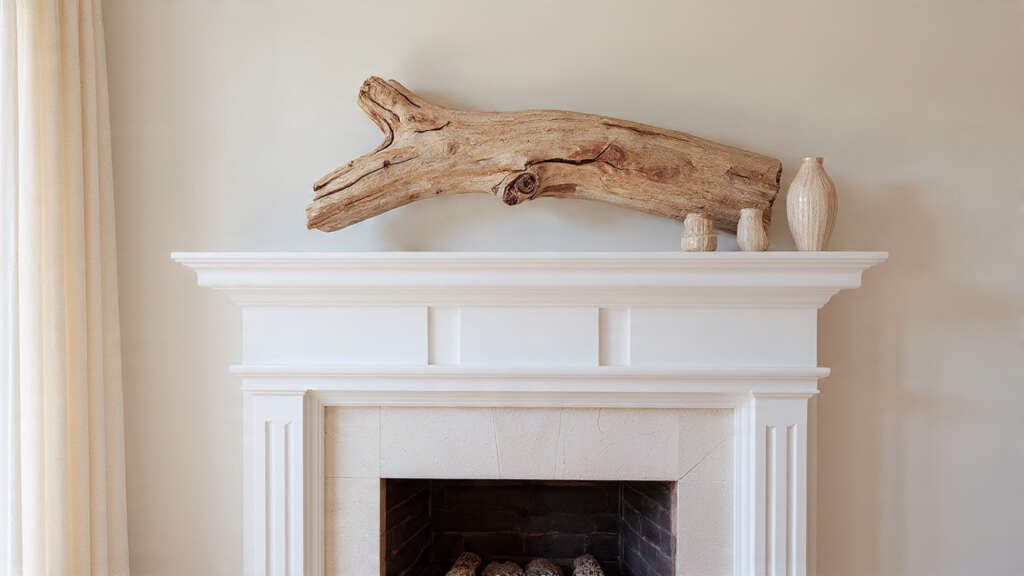
Driftwood is most effective as a single sculptural statement, a piece on a mantel, a driftwood-framed mirror, or driftwood incorporated into a light fitting. Used in multiple places in the same room, it loses its impact and starts to look like a themed display rather than a curated choice. One well-positioned driftwood piece does more than five scattered ones.
🌿 The material layering principle: Aim to combine smooth with rough and light with dark within your natural material choices. A smooth white-washed wood coffee table pairs beautifully with a rough-textured jute rug and a wicker basket. The contrast between textures is what gives the room visual depth; matching textures throughout reads as flat and monotonous.
Natural light is arguably the single most important element in a coastal interior, more than any furniture choice or colour decision. The feeling of being near the ocean is inseparable from the quality of light: bright, diffused, reflective, and constantly shifting. Creating that sense in an inland home is fundamentally a question of how you manage your windows and surfaces.
Window treatments should filter rather than block. Therefore, heavy curtains, dark Roman blinds, or fully closed shutters all work against the coastal aesthetic, regardless of the rest of the room. Instead, the best choices are lightweight linen or cotton sheers in off-white or pale natural tones. These diffuse direct sunlight into soft, even light. In addition, they maintain privacy. They also move gently in a breeze, which strongly reads as coastal. Alternatively, if you want a more structured option, natural woven shades such as bamboo, jute, or grasscloth work well. They filter light beautifully and, at the same time, add natural texture.
Mirrors also deserve specific attention in coastal rooms. For example, a large mirror placed opposite or perpendicular to a window doubles the perceived light. As a result, the space feels larger, which supports key coastal goals. A round mirror with a natural or white-painted frame works especially well. Similarly, a rectangular mirror in driftwood or white-washed timber adds the same effect.
Finally, glass-topped coffee tables and metallic hardware also help. In particular, brass or aged bronze finishes (rather than chrome or black) bounce and warm the light. A beach-inspired backyard isn’t complete without water. Explore these above ground pools with deck ideas.
💡 Artificial lighting for evenings: Coastal rooms should feel warm and soft after dark, not clinical. Avoid recessed ceiling-only lighting, as it creates flat, even light with no atmosphere. Layer instead: a floor lamp in a corner with a warm-temperature bulb (2700–3000K), table lamps on side tables, and a pendant over the dining area. Lantern-style pendants or rattan shades create exactly the coastal glow that overhead lighting cannot.
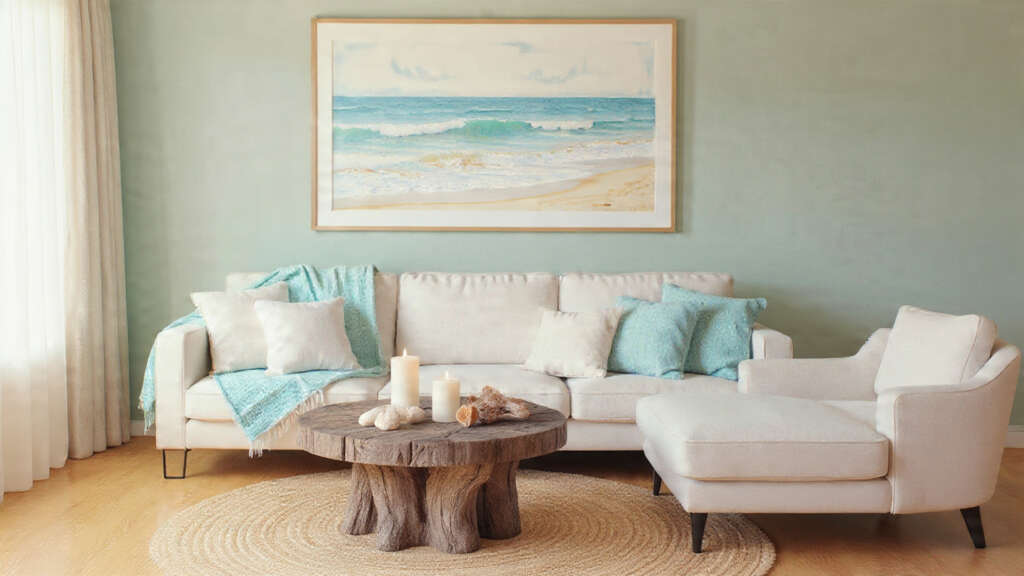
Coastal furniture has two non-negotiable qualities: it should feel comfortable, and it should look visually light. The first means deep, generous seating with soft upholstery linen, cotton slipcover fabrics, or performance textiles in natural tones. The second means avoiding heavy, dark, or overly formal pieces that anchor the room visually and create a sense of weight that contradicts the airy coastal mood.
For coastal living rooms, the sofa shape matters as much as the fabric; see our guide on choosing a sofa that fits your coastal living room layout.
Slipcover sofas work especially well in coastal interiors. They feel relaxed rather than formal. They are also practical, since washable covers suit beach houses and family homes. This style reflects a casual, “come-as-you-are” feel. For a coastal home, comfort matters as much as appearance. A sofa you can actually put your feet up on is essential.
Keep the furniture count lower than you think you need. Open floor space is a key coastal feature. It reflects the openness of beach environments. It also helps create an airy atmosphere.
A typical living room needs only a few pieces. Use one sofa, one or two accent chairs, a coffee table, and a side table. Adding more can overcrowd the space. Even beautiful pieces can work against the coastal mood if the room feels too full.
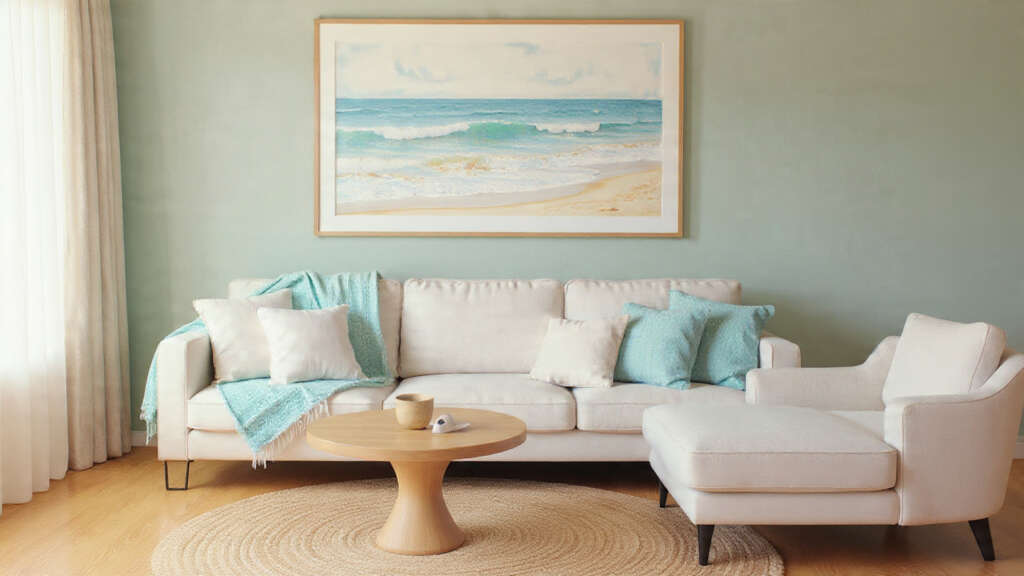
In a palette built primarily on neutrals, texture is what prevents a coastal room from feeling flat or bland. The tactile variety between a smooth linen cushion, a rough jute rug, a woven cotton throw, and a soft wool blanket creates visual depth and interest that colour alone cannot achieve, particularly important in a palette that deliberately avoids the visual stimulation of strong contrasting colours.
Linen is the quintessential coastal fabric. Its natural wrinkles, slight sheen, and breathable quality all read as effortlessly coastal in a way that polyester mimics of linen simply don’t. Use it for curtains, cushion covers, and sofa upholstery or slipcovers. Linen wrinkles are part of its charm rather than a defect. A perfectly pressed linen curtain looks more like an office than a beach house.
A natural fibre rug, such as jute, sisal, or seagrass, is one of the highest-value single purchases in a coastal interior. It grounds the room, adds significant warmth and texture, and connects all the other natural material choices. Jute is softer underfoot and warmer in tone; sisal is more durable and slightly cooler. For living rooms and dining areas, either works well; for bedrooms, jute’s softer texture is preferable. Layer a smaller woven cotton rug on top of the jute for visual interest and to soften the area around seating.
Cotton throws and cushions complete the layering. The key is varying both material weight and weave. A chunky cotton knit throw alongside a smooth linen cushion alongside a loosely woven basket creates the kind of tactile variety that makes a room feel genuinely curated rather than simply furnished.
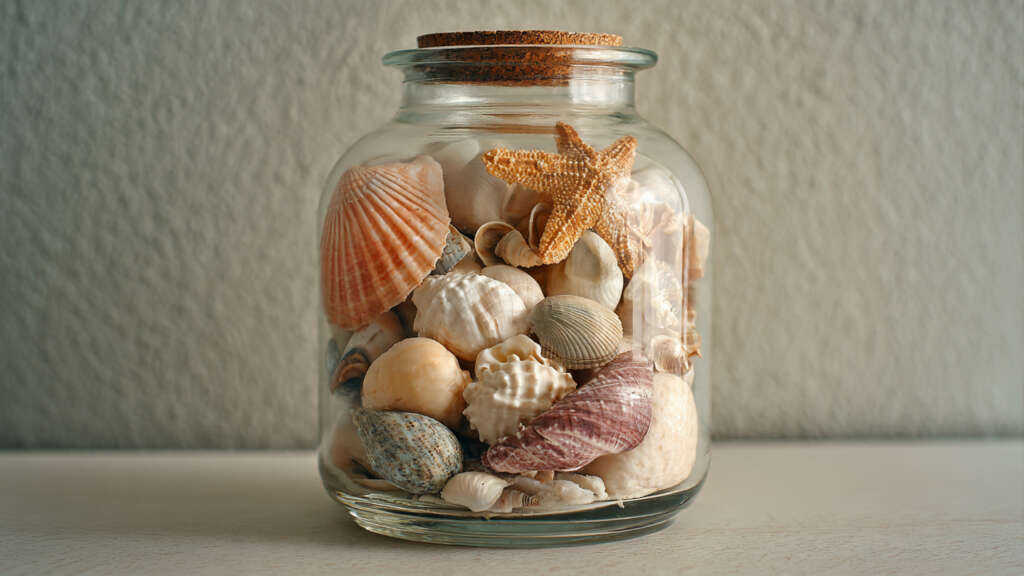
Accessorising is where beachy decor most commonly tips from elevated to kitschy — and the line is thinner than most people expect. Interior designers working in coastal style are unanimous on this point: the most common mistake is too much literal beach imagery. Fish decorations, hanging fishing nets, anchors, ship wheels, seagull prints, lobster motifs, and word signs saying “Beach Life” or “Life is Better at the Beach” all read as themed rather than designed. They spell out the concept rather than expressing it, and Coastal Living’s curated coastal decor inspiration.
The approach that works consistently is abstraction over literalism. A seascape painting in soft blues and greens captures the feeling of the ocean without depicting it literally. A glass jar of shells collected from an actual beach visit is a personal and beautiful object; a basket of purchased decorative shells is neither. Driftwood arranged as a sculptural element has natural beauty; a driftwood sign with “Seas the Day” stencilled on it does not.
Lanterns are among the most universally successful coastal accessories. They provide ambient lighting, work in virtually every room, and come in material options (rattan, white-painted metal, natural wood, ceramic) that suit different coastal styles from boho to Hamptons. Hurricane lanterns with pillar candles on a dining table, or a pair of woven rattan pendants over a kitchen island, both add warmth and coastal character without any risk of looking themed.
The natural materials and light fabrics that define coastal decor require specific maintenance to stay looking their best, but the good news is that most coastal materials are practically low-maintenance once you know the basics. The tactile, slightly imperfect quality of linen and rattan is an asset rather than a liability; these materials are meant to look lived-in. For the linen and cotton fabrics that characterise coastal interiors, natural cleaning solutions safe for linen and cotton fabrics avoid the bleaching or damage that harsh chemical cleaners cause on natural fibres.
Linen curtains, cushion covers, and slipcovers should be washed on a cool cycle and air-dried rather than machine-dried, which causes shrinkage and accelerates wear. Linen softens and improves with every wash after several cycles; it develops a beautiful softness that new linen doesn’t have. The coastal decor mistakes designers consistently flag, light natural wrinkles are characteristic of the material; smooth them by hand when damp if you want a neater appearance, or leave them for a more relaxed look. Cotton throws can be machine-washed and tumble dried on low; avoid high heat, which weakens cotton fibres over time.
Rattan and wicker should be dusted regularly with a soft brush and vacuumed using a brush attachment to clear debris from the woven structure. Every few months, wipe down with a lightly damp cloth and allow to dry completely. Rattan that stays damp can develop mould in the weave. Conditioning with a small amount of natural oil (linseed or tung oil works well) once or twice a year keeps the fibres supple and prevents brittleness and cracking, which is the primary failure mode for rattan furniture.
Light wood furniture, particularly white-washed or limed finishes, should be wiped with a barely damp microfiber cloth rather than a wet cloth, and should be kept away from direct prolonged sunlight, which causes fading and can cause the finish to crack over time. A UV-filtering window film is worth considering for south-facing rooms with significant sun exposure.
One of the genuine practical advantages of coastal decor is how easy it is to refresh seasonally without changing the core room. In warmer months, remove heavier wool throws and replace with lightweight cotton; swap out any darker winter cushions for lighter, more airy tones; open up storage baskets and replace heavy contents with lighter items. In cooler months, layer in a chunky cotton or wool throw, add a sheepskin or faux fur accent, and consider warmer-toned candles and lanterns to shift the mood without touching the room’s fundamental character.
Absolutely, and it’s one of the most common misconceptions about the style. Coastal decor works because of the colours, materials, light quality, and sense of openness it creates, none of which depend on proximity to water. The same pale blues, warm neutrals, linen fabrics, and rattan textures that evoke the beach in a coastal home do so just as effectively in a landlocked city apartment. The key is committing to the lightness and restraint that define the style rather than decorating with literal beach imagery.
Coastal style draws from the beach environment, sand, driftwood, sea glass, natural materials, and soft organic colours. Nautical style draws from maritime life, navy blue, rope details, anchors, ship wheels, and stripes. Coastal feels like a beach house; nautical feels like a boat. Both are valid, but Coastal is significantly more versatile and easier to execute without looking themed. In practice, mixing a small number of nautical accents (navy stripes, a rope-wrapped mirror) into a primarily coastal palette can add interest, but if the room reads as nautical overall, the proportions have shifted too far.
The highest-impact, lowest-cost changes are: painting walls in a warm off-white or cream (transformative for under $100), replacing heavy window treatments with sheer linen curtains, adding a jute rug, and swapping existing cushion covers for linen ones in neutral tones. These four changes alone account for most of what makes a room read as coastal. Natural materials like driftwood, stones, and shells collected outdoors cost nothing and work beautifully. The expensive elements of coastal decor, quality linen sofas, and solid wood furniture can be introduced gradually over time rather than all at once.
Over-theming decorating with too much literal beach imagery (fish, anchors, shells everywhere, word signs, bright cobalt blue) rather than working from the underlying principles of the style (light, natural materials, organic textures, soft coastal colours). The goal of beachy decor is to create a mood, not to depict a location. Interior designers consistently identify this as the line between coastal decor that looks sophisticated and coastal decor that looks like a themed gift shop. Less is consistently more in this style.
Coastal style translates well to virtually every room, but it’s particularly strong in living rooms (where the open, relaxed quality feels most natural), bedrooms (where the calming palette and soft linen textures support sleep quality), and bathrooms (where the water connection is literal and natural materials like jute, rattan, and ceramic work beautifully at a small scale). It’s slightly more challenging in home offices and kitchens, where functionality tends to drive aesthetic choices — but incorporating coastal elements through textiles, lighting, and ceramics still adds considerably to these spaces.
| Room | Key Coastal Element | Best Addition |
|---|---|---|
| 🛋️ Living Room | Jute rug + linen sofa | Rattan pendant light, driftwood accent |
| 🛏️ Bedroom | Linen bedding in oatmeal or pale blue | Woven basket beside the table, sheer curtains |
| 🛁 Bathroom | Natural fibre bath mat, ceramic accessories | Rattan mirror, sea glass collection in a jar |
| 🍽️ Dining Room | Light wood table, cotton seat cushions | Rattan pendant, lanterns on the table |
| 🌿 Entryway | Jute runner, wicker basket for storage | Coastal artwork, simple driftwood hook board |
Every good beachy interior shares the same underlying logic: it prioritises lightness, openness, and natural character over decoration for its own sake. The palette is restrained because beaches aren’t colourful, they’re tonal and layered. The materials are natural because the coast is made of natural things. The accessories are edited because the beach itself is clean and uncluttered.
Start with the colour palette and window treatments; these two changes alone transform a room’s character more than any furniture purchase. Layer in natural materials gradually, beginning with a jute rug and linen textiles before committing to larger furniture pieces. Edit accessories ruthlessly: one well-chosen coastal object does more than six themed ones. And resist the temptation to spell out the concept, the best coastal rooms feel like the beach without looking like a picture of one.
For more home style inspiration and decorating guides, explore our House Styles & Trends section.