Physical Address
304 North Cardinal St.
Dorchester Center, MA 02124
Physical Address
304 North Cardinal St.
Dorchester Center, MA 02124
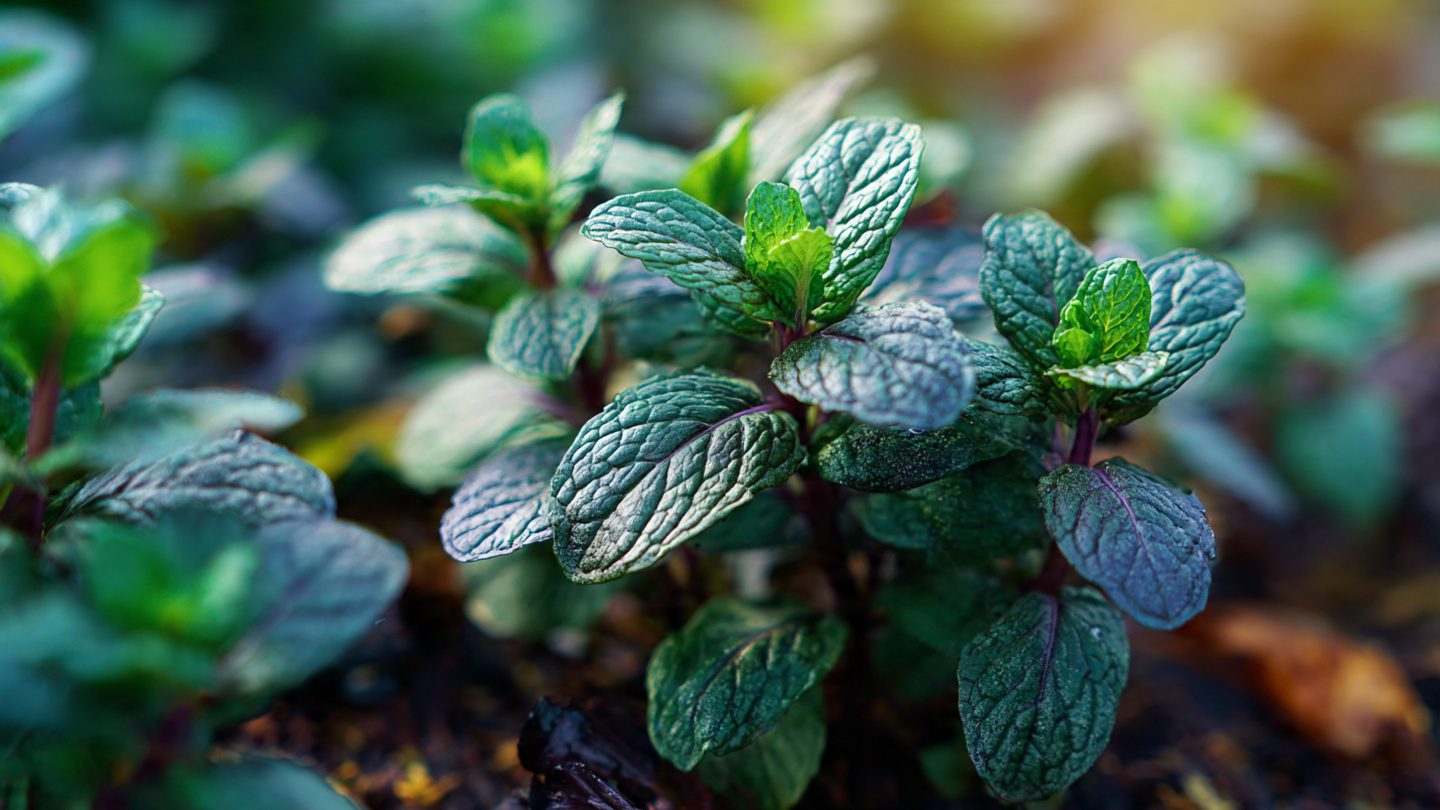
The chocolate mint plant is a fragrant herb belonging to the mint family (Mentha). It is a variety of peppermint known for its refreshing aroma combined with subtle chocolate-like notes. Although it does not contain actual chocolate, the plant’s scent and flavor create a mild cocoa impression that makes it popular in both gardens and kitchens. Chocolate mint pairs perfectly with other easy herbs — explore these low-maintenance indoor herb garden ideas for inspiration.
Chocolate mint is scientifically classified as a cultivar of Mentha × piperita. Like other mint varieties, it grows quickly and spreads easily through underground stems called runners. The plant typically produces deep green leaves with slightly purple stems, giving it an attractive look that works well in herb gardens, container gardens, and indoor planters.
Gardeners often choose chocolate mint because it is easy to grow, low maintenance, and highly versatile. It thrives in moderate climates and can adapt to both outdoor garden beds and containers. With the right care, the plant grows dense foliage that releases a pleasant minty fragrance whenever the leaves are touched or crushed.
Beyond its decorative value, chocolate mint is widely used in culinary and herbal preparations. Fresh leaves are commonly added to herbal teas, desserts, smoothies, and flavored drinks. The herb’s cooling flavor makes it especially popular in recipes that pair mint with chocolate-based foods.
Another reason for its popularity is its usefulness in home herb gardens and kitchen gardens. The plant grows relatively fast and can be harvested multiple times throughout the growing season. Because of this productivity, many gardeners include chocolate mint alongside other herbs such as Mentha spicata and Ocimum basilicum.
The chocolate mint plant is a cultivated variety of peppermint that belongs to the mint family, scientifically known as Lamiaceae. This family includes many well-known culinary herbs such as Mentha spicata, Mentha × piperita, and Ocimum basilicum. These plants are widely recognized for their aromatic leaves and essential oils, which make them popular in cooking, herbal remedies, and home gardens. Like chocolate mint, cilantro is a fast-growing kitchen herb — here’s how to grow cilantro successfully at home.
Chocolate mint itself is considered a cultivar of peppermint, which is a natural hybrid between watermint and spearmint. Over time, plant growers selected this particular variety because of its unique aroma that resembles a mix of mint and chocolate. While the plant does not contain chocolate compounds, its scent and flavor create a pleasant chocolate-like impression when the leaves are crushed or used in food.
Botanically, chocolate mint shares many characteristics with other mint plants. It typically grows between 12 and 24 inches tall and spreads through underground stems known as rhizomes. These rhizomes allow the plant to spread quickly, which is why gardeners often grow mint in containers or controlled garden beds.
The plant is easily recognized by its dark green leaves and purple-tinged stems, which distinguish it from some other mint varieties. During the growing season, chocolate mint may also produce small purple or lavender flowers that attract pollinators such as bees and butterflies. Because of this, it is often included in pollinator-friendly herb gardens.
Today, chocolate mint is grown in many regions around the world, especially in temperate climates where mint plants thrive. Gardeners appreciate it not only for its fragrance but also for its low-maintenance growth and adaptability. Whether planted in garden beds, herb planters, or indoor pots, chocolate mint remains one of the most appealing varieties in the mint family.
The name chocolate mint comes from the plant’s distinctive aroma and flavor, which combine the refreshing coolness of mint with a subtle hint that reminds many people of chocolate. While the plant does not actually contain chocolate or cocoa, the natural oils in its leaves create a scent that feels similar to a chocolate-mint dessert when the leaves are crushed or brewed.
Chocolate mint is a cultivated variety of Mentha × piperita, which is already known for its strong and refreshing flavor. In this particular cultivar, gardeners and plant breeders selected plants that developed a slightly sweeter and more dessert-like aroma. This unique fragrance is what led to the popular name “chocolate mint.”
Another reason for the name comes from how the herb is often used in cooking. Many people enjoy pairing mint with chocolate in recipes such as cakes, brownies, ice cream, and hot drinks. Because the herb naturally complements these flavors, it became known as chocolate mint even though it remains a true mint plant.
The leaves of chocolate mint are also visually appealing. They are usually deep green with darker veins and purple-tinted stems, giving the plant a rich look that fits well in decorative herb gardens. When the leaves are gently rubbed between the fingers, indoor herb garden kits, they release a strong mint fragrance with a warm undertone that reminds people of chocolate desserts.
Because of this pleasant aroma, chocolate mint is often used not only in cooking but also in herbal teas, flavored beverages, and garden landscaping. Gardeners enjoy growing it near patios or walkways so the fragrance can be noticed whenever the leaves are touched or brushed.
Chocolate mint is often confused with other members of the mint family, especially peppermint (Mentha × piperita) and spearmint (Mentha spicata). While they share similar growth habits and aromatic qualities, there are distinct differences in flavor, appearance, and uses that make chocolate mint unique.
Chocolate mint has a mildly sweet, chocolate-tinged flavor, whereas peppermint is stronger, sharper, and more menthol-forward. Spearmint, on the other hand, has a lighter, sweeter flavor without any chocolate notes. This makes chocolate mint especially popular for desserts, teas, and beverages, where a subtle mint-chocolate combination is desired.
Chocolate mint leaves are typically darker green with purple stems and slightly rounded serrated edges. Peppermint leaves tend to be brighter green with more pronounced veins, while spearmint leaves are lighter green and slightly wrinkled. These visual cues help gardeners quickly identify the correct variety for planting.
All mint varieties, including chocolate mint, peppermint, and spearmint, spread quickly through underground rhizomes. However, chocolate mint is often preferred for container gardening because its growth is slightly more controlled compared to other mint species. This makes it easier to manage in small gardens, balconies, or indoor pots.
While peppermint is widely used in candies, essential oils, and medicinal teas, chocolate mint is often chosen for its unique combination of minty freshness and subtle chocolate aroma. Spearmint is commonly used in savory dishes, mojitos, and salads. By understanding these differences, gardeners and cooks can select the best mint variety for their specific needs.
Growing chocolate mint in your garden or home herb collection offers a variety of practical, culinary, and wellness benefits. Its versatility makes it one of the most popular mint varieties for both indoor and outdoor gardeners.
Chocolate mint is not only flavorful but also visually appealing. Its deep green leaves with purple-tinged stems create a lush, vibrant look in garden beds, containers, or windowsill planters. The plant also emits a pleasant minty-chocolate fragrance, making it ideal for patios, balconies, or indoor spaces where its aroma can enhance the atmosphere.
Chocolate mint is a versatile herb in the kitchen. Fresh leaves can be added to herbal teas, smoothies, desserts, brownies, and ice creams, providing a subtle chocolate-mint flavor. Its refreshing taste also pairs well with beverages like hot chocolate, cocktails, or infused water. For food enthusiasts, having chocolate mint on hand allows fresh flavoring without relying on artificial extracts.
Like other mint varieties, chocolate mint contains menthol and natural compounds that can support digestion, soothe minor stomach discomfort, and provide a refreshing herbal remedy. Drinking chocolate mint tea may help with relaxation, hydration, and mild digestive relief. Additionally, the aromatic scent of the plant can contribute to stress relief and a calming home environment.
Chocolate mint is low-maintenance, making it perfect for beginners or busy gardeners. It thrives in well-drained soil with partial to full sunlight, spreads quickly, and can even be grown indoors in pots. Regular harvesting encourages bushy growth and healthier leaves, so you can enjoy fresh mint throughout the growing season.
When allowed to flower, chocolate mint produces small purple or lavender blooms that attract bees, butterflies, and other pollinators. This adds ecological value to your garden and supports healthy plant biodiversity.
Growing chocolate mint is easy and rewarding, making it an ideal herb for both beginners and experienced gardeners. By understanding its preferred conditions and growth habits, you can enjoy a thriving plant all year round.
Chocolate mint thrives in partial to full sunlight. While it can tolerate some shade, at least 4–6 hours of sunlight per day is recommended for optimal growth. If you’re growing it indoors, place the plant near a bright windowsill with indirect sunlight.
The plant prefers well-draining, fertile soil with a slightly acidic to neutral pH (6.0–7.0). Adding organic compost improves soil fertility and moisture retention. Avoid waterlogged areas, as chocolate mint roots are prone to rot in overly wet soil.
Chocolate mint spreads through underground stems called rhizomes, so it’s best to plant it in containers or controlled garden beds to prevent unwanted spreading. If planting directly in the ground, use barriers or separate garden sections to keep the herb contained.
Chocolate mint prefers consistently moist soil but not waterlogged. Water the plant when the top inch of soil feels dry. Mulching around the base can help retain moisture and reduce weeds.
Although chocolate mint grows well without heavy fertilization, applying a balanced, organic fertilizer once a month during the growing season encourages lush growth and vibrant leaves. Avoid over-fertilizing, which can reduce flavor intensity.
For indoor or small-space gardens, growing chocolate mint in pots is ideal. Use a wide container with drainage holes, and refresh the soil every few months. Containers also help control spreading and make it easy to move the plant for optimal sunlight.
Once your chocolate mint plant is growing, proper care ensures healthy leaves, vibrant aroma, and a long-lasting plant. With a few simple maintenance practices, you can keep your herb thriving year-round.
Regular pruning encourages bushy growth and prevents the plant from becoming leggy. Pinch or cut back the stems regularly, especially during the growing season. Remove yellowing or damaged leaves to improve airflow and reduce disease risk. Pruning also helps concentrate the plant’s flavor, making leaves more aromatic.
Chocolate mint does not require heavy fertilization, but applying a light, balanced fertilizer every 4–6 weeks can promote lush growth. Organic options such as compost tea or worm castings enrich the soil without harming the plant. Avoid over-fertilizing, which can lead to excessive leaf growth with reduced flavor intensity.
Keep the soil consistently moist, especially during hot summer months. Water the plant when the top 1–2 inches of soil feel dry. Using mulch around the base helps retain moisture, reduces weeds, and protects the roots from temperature fluctuations.
Chocolate mint is relatively resilient, but it can be affected by aphids, spider mites, and fungal diseases. To prevent infestations:
Because chocolate mint spreads via underground rhizomes, it can quickly take over garden beds. To manage growth: Managing mint’s spread is key — learn how to grow mint in a pot without it taking over.
Harvesting chocolate mint correctly ensures maximum flavor, aroma, and continuous growth. By following simple techniques, you can enjoy fresh leaves for teas, desserts, and culinary use all season long.
The ideal time to harvest chocolate mint is just before the plant flowers, when the leaves contain the highest concentration of essential oils. Morning is usually the best time, after the dew has dried but before the sun is too strong, as this preserves flavor and aroma.
Chocolate mint is a versatile herb, prized for its aromatic leaves, subtle chocolate flavor, and decorative appeal. From the kitchen to the garden, it can be used in multiple ways that enhance both taste and lifestyle experiences.
One of the most popular uses of chocolate mint is in herbal teas. Simply steep fresh or dried leaves in hot water to make a refreshing, caffeine-free tea. The chocolatey undertone pairs beautifully with honey, lemon, or other herbs like chamomile. Chocolate mint can also be used in iced teas, mojitos, and flavored water, making it a versatile ingredient for beverages year-round.
Chocolate mint adds a subtle yet distinctive flavor to desserts. Fresh leaves can be chopped into chocolate brownies, cakes, ice creams, mousses, or puddings. Its natural aroma enhances chocolate-based recipes without the need for artificial flavoring. Additionally, chocolate mint leaves can be used as a garnish, giving desserts an elegant look and refreshing scent.
Beyond tea, chocolate mint works well in hot chocolate, smoothies, milkshakes, and cocktails. Its sweet, cooling flavor complements chocolate, vanilla, and citrus-based drinks. Adding a few leaves during preparation or as a finishing touch can elevate a simple beverage into a gourmet experience.
While primarily associated with sweets and drinks, chocolate mint can also enhance savory dishes. It pairs well with salads, roasted vegetables, and grain dishes, adding a hint of freshness and aroma. Its versatility makes it a favorite herb for home cooks experimenting with both sweet and savory recipes.
Chocolate mint is also valued for its decorative and aromatic qualities in the garden. Planting it near patios, walkways, or windows allows the fragrance to permeate outdoor and indoor spaces. Some gardeners even use it as a natural pest deterrent, as its strong aroma can repel certain insects.
Growing chocolate mint indoors is a great option for those with limited outdoor space or for gardeners who want fresh herbs year-round. With proper care, indoor chocolate mint can thrive on windowsills, balconies, or kitchen counters.
Chocolate mint grows well in containers because it spreads quickly through underground runners. Choose a wide pot with drainage holes to prevent waterlogging and encourage healthy root growth. Terracotta pots are ideal because they allow soil to breathe, but any container with good drainage works.
Use well-draining, fertile soil for indoor mint. A mix of potting soil and organic compost helps retain moisture while providing essential nutrients. Avoid heavy garden soil, as it can compact in containers and hinder growth.
Chocolate mint requires 4–6 hours of bright, indirect sunlight each day. Place the pot near a south- or west-facing window for the best results. If natural light is insufficient, consider using a grow light to ensure proper growth. Indoor temperatures should be between 65°F–75°F (18°C–24°C), mimicking its ideal outdoor climate.
Keep the soil consistently moist but not waterlogged. Water when the top inch of soil feels dry, and ensure excess water drains away. Indoor air can be dry, especially in winter, so occasionally mist the plant to maintain humidity and prevent leaves from drying out.
Feed indoor chocolate mint with a light, balanced fertilizer every 4–6 weeks during the growing season. Organic options, like compost tea or liquid seaweed, provide nutrients without causing chemical buildup.
Regular pruning helps keep indoor chocolate mint bushy and compact, preventing it from becoming leggy. Pinch off the tips of stems and remove any yellowing leaves. Frequent harvesting not only provides fresh leaves but also encourages new growth.
Chocolate mint is generally a resilient and easy-to-grow herb, but like all plants, it can face some challenges. Understanding common problems and how to address them ensures healthy growth and a productive harvest.
One of the most frequent problems is overwatering, which can lead to root rot. Symptoms include yellowing leaves, wilting, and a foul smell from the soil. To prevent this, always ensure well-draining soil and water the plant only when the top inch of soil is dry. Using containers with drainage holes also helps keep the roots healthy.
Chocolate mint can attract common garden pests such as:
Solutions:
Chocolate mint can be affected by powdery mildew or leaf spot, especially in humid conditions or poor air circulation.
Prevention:
Chocolate mint spreads quickly via underground rhizomes. While this makes it easy to propagate, it can take over garden beds if not managed.
Tips for control:
Yellow leaves may indicate nutrient deficiency, overwatering, or insufficient light. Ensure the plant receives moderate sunlight, consistent watering, and occasional fertilization to keep it vibrant and healthy.
The chocolate mint plant is more than just a fragrant herb—it is a versatile, easy-to-grow, and aromatic addition to any garden or home. From its subtle chocolate aroma and refreshing mint flavor to its decorative appeal, chocolate mint offers a wide range of benefits for gardeners, cooks, and herbal enthusiasts alike.
By understanding its origin, characteristics, and care requirements, gardeners can cultivate a healthy and productive plant. Whether grown indoors in containers or outdoors in a herb garden, chocolate mint thrives with adequate sunlight, well-draining soil, regular pruning, and careful harvesting.
Its culinary uses are just as impressive. Fresh leaves can enhance herbal teas, desserts, drinks, and even savory dishes, providing a natural, flavorful alternative to artificial mint flavorings. Beyond the kitchen, chocolate mint also improves garden aesthetics, attracts pollinators, and fills spaces with a delightful fragrance.
For anyone looking to grow a low-maintenance, aromatic, and visually appealing herb, chocolate mint is an excellent choice. With proper care and regular harvesting, you can enjoy lush, flavorful leaves throughout the growing season, bringing both beauty and utility to your home.