Why Cilantro Can Be Tricky
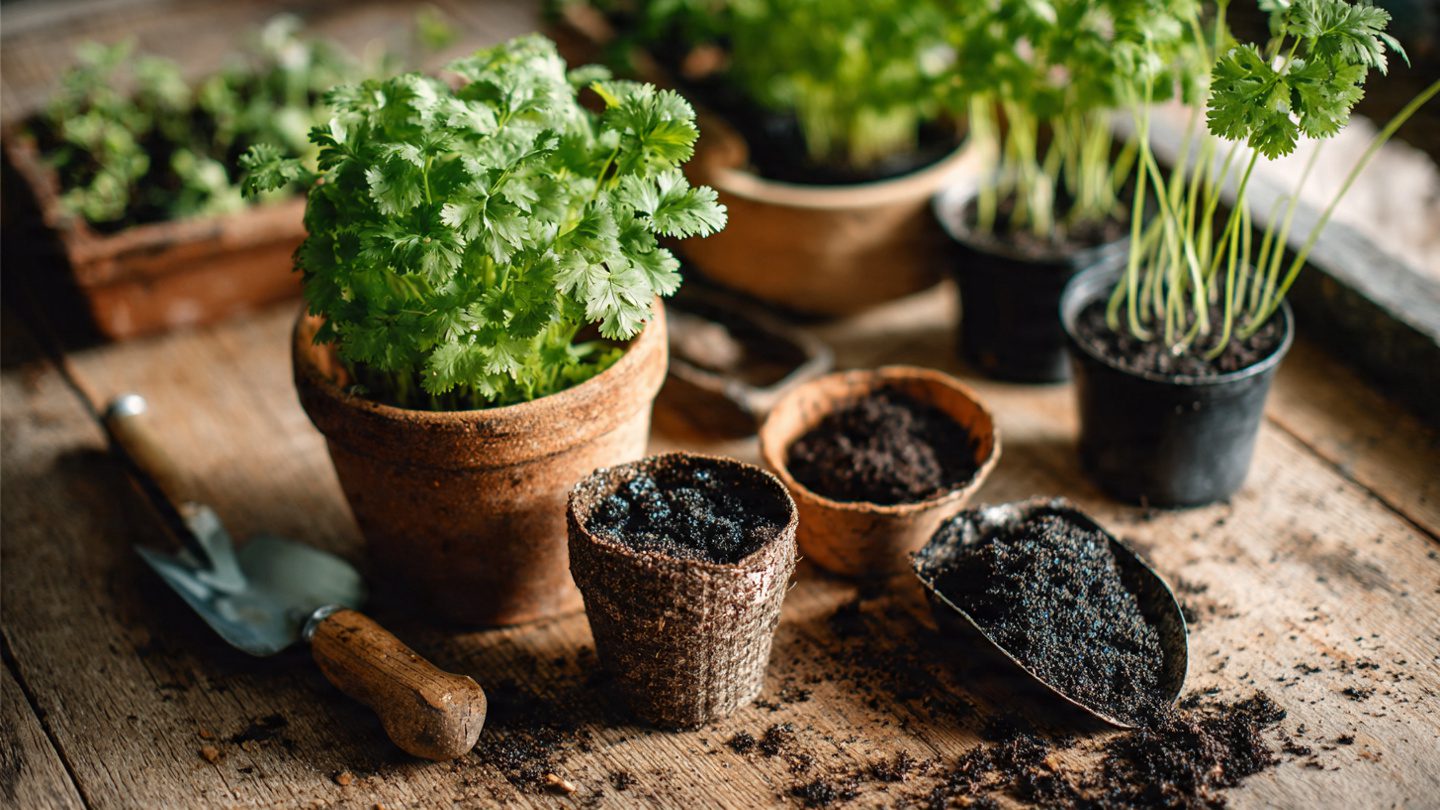
Cilantro, also known as coriander, is one of the most popular herbs in kitchens around the world. Its fresh, aromatic leaves add flavor to a wide range of dishes, from salads to curries. However, many home gardeners struggle with growing cilantro successfully. Common problems include yellowing leaves, bolting (early flowering), and slow growth. Cilantro thrives best as part of a well-planned herb garden — get inspired by these low-maintenance indoor herb garden ideas.
The key to growing cilantro at home is understanding its needs: proper sunlight, watering, soil conditions, and temperature control. By following a structured approach, even beginners can enjoy fresh, healthy cilantro leaves year-round.
Step-by-Step Guide on How to Grow Cilantro
Choosing the Right Seeds
Choosing the right seeds is the first step in how to grow cilantro at home. Look for high quality seeds labeled as “slow-bolting” or suitable for your climate. Slow bolting seeds prevent early flowering, ensuring you get more leaves to harvest. If you enjoy growing fresh herbs, these expert parsley plant tips will help you avoid the most common mistakes.
Tips:
- Buy seeds from a trusted supplier.
- Check for organic options if possible.
- Start with small quantities for testing.
Selecting the Perfect Spot
Cilantro grows best in full sunlight or partial shade. For indoor gardens, place the pots near a sunny window. Outdoors, choose a spot that receives at least 4–6 hours of sunlight daily.
Tips:
- Use well-drained soil to avoid waterlogging.
- Avoid overly windy areas that can stress the plant.
- Container gardening works well for balconies and patios.
Planting Cilantro Seeds
Plant seeds ¼ to ½ inch deep, spaced about 2 inches apart. Keep the soil moist but not soggy. Cilantro grows quickly from seeds, usually sprouting in 7–10 days. Another fantastic aromatic herb for beginners is the chocolate mint plant — fragrant, easy, and incredibly versatile.
Tips:
- Cover lightly with soil and gently water.
- Thin seedlings to 4–6 inches apart once they are 2 inches tall.
- Avoid planting cilantro with strong-smelling herbs nearby, which can affect growth.
Watering and Fertilizing
Cilantro prefers regular watering, keeping the soil moist but not waterlogged. Fertilize lightly using organic compost or a balanced liquid fertilizer every 3–4 weeks. Over-fertilization can cause fast leaf growth but reduce flavor.
Tips:
- Water in the morning to reduce disease risk.
- Use mulch to retain soil moisture.
- Avoid overhead watering to prevent fungal growth.
Tips for Growing Cilantro Successfully
How to Prevent Cilantro from Bolting
One of the biggest challenges in how to grow cilantro is bolting, which is when the plant flowers too early and leaves become bitter.
Tips to Prevent Bolting:
- Plant cilantro in cooler seasons (spring or fall).
- Avoid planting in direct harsh sunlight during summer.
- Keep the soil consistently moist.
- Harvest leaves regularly to encourage new growth.
How to Grow Cilantro Indoors and in Pots
Cilantro grows well indoors and is ideal for apartment gardening or small balconies.
Tips for Indoor Growth:
- Use pots with drainage holes.
- Place near a south-facing window for sunlight.
- Use high-quality potting mix enriched with organic compost.
- Rotate pots occasionally to ensure even growth.
Ideal Temperature and Seasonal Planting
Cilantro prefers temperatures between 50–85°F (10–29°C). Extremely hot temperatures can cause bolting.
Tips:
- In hot climates, grow cilantro in partial shade.
- In cold climates, start seeds indoors 2–4 weeks before the last frost.
- Consider succession planting every 2–3 weeks for continuous harvest.
How to Regrow Cilantro from Cuttings
Cilantro can sometimes be regrown from stems left after harvesting.
Steps:
- Place stems in a small glass of water.
- Change water every 2 days to avoid bacterial growth.
- Once roots develop, transplant to soil.
- This method ensures a continuous supply without starting from seeds.
Harvesting and Storing Cilantro
When and How to Harvest Cilantro Leaves
Knowing the right time to harvest is key to getting fresh, flavorful cilantro.
Tips for Harvesting:
- Start harvesting when the plant has 4–6 fully grown leaves.
- Use scissors or garden shears to cut leaves, leaving about 2 inches of stem so the plant can regrow.
- Harvest in the morning for the best flavor and aroma.
- Avoid cutting more than one-third of the plant at a time.
Storing Fresh Cilantro for Longer
Proper storage keeps your cilantro fresh and aromatic for longer periods.
Storage Methods:
- Refrigeration:
- Place freshly cut cilantro in a glass with water and cover loosely with a plastic bag.
- Change water every 2–3 days.
- Freezing:
- Wash and chop leaves, place in an airtight container or ice cube tray with water.
- Freezing preserves flavor for several months.
- Drying:
- Hang cilantro bundles upside down in a dry, dark place.
- Store dried leaves in an airtight jar for later use.
Quick Tips for Continuous Harvest
- Practice succession planting every 2–3 weeks to ensure a steady supply.
- Regularly trim leaves instead of uprooting the plant.
- Keep soil fertile and moist to encourage new growth.
Troubleshooting Common Problems
Why Cilantro Leaves Turn Yellow or Wilt
Yellowing or wilting leaves are common issues in how to grow cilantro.
Causes & Solutions:
- Overwatering: Water only when the soil is slightly dry. Ensure well-drained soil.
- Underwatering: Keep soil consistently moist but not soggy.
- Nutrient Deficiency: Add organic compost or balanced fertilizer to enrich the soil.
Pests and Diseases Affecting Cilantro
Cilantro can attract pests like aphids, whiteflies, or fungal infections.
Tips to Protect Your Plants:
- Inspect leaves regularly for pests.
- Spray with mild neem oil or a homemade garlic spray for natural pest control.
- Avoid overhead watering to prevent fungal growth.
How to Fix Overwatering or Nutrient Issues
Overwatering or nutrient imbalance can stunt growth or cause poor leaf flavor.
Solutions:
- Improve drainage: Use pots with holes or raised garden beds.
- Check soil nutrients: Add organic compost or slow-release fertilizer.
- Trim affected leaves: Removing damaged leaves encourages new growth.
Common Bolting Issues
Bolting occurs when the plant flowers too early, making leaves bitter.
Prevention Tips:
- Plant in cooler temperatures.
- Provide partial shade during hot months.
- Harvest leaves regularly to delay flowering.
Frequently Asked Questions (FAQs)
How long does it take to grow cilantro?
Cilantro usually germinates within 7–10 days and reaches full leaf growth in 3–4 weeks. Harvesting can begin once the plant has 4–6 mature leaves. Planting in succession every 2–3 weeks ensures a continuous supply.
Can cilantro grow indoors without sunlight?
Yes, cilantro can grow indoors using bright indirect light or a grow light. Make sure pots have well-drained soil, and keep the environment cool and humid to prevent bolting.
How do I prevent cilantro from bolting?
Bolting occurs when cilantro flowers too early, making leaves bitter. To prevent this:
- Plant during cool seasons.
- Provide partial shade in hot weather.
- Harvest leaves regularly to encourage new growth.
Can I regrow cilantro from cuttings?
Yes! Place cilantro stems in water until roots develop, then transplant into soil. This method provides a continuous supply of fresh leaves without starting from seeds.
How should I store fresh cilantro?
For longer freshness:
- Place leaves in a glass with water, cover loosely, and refrigerate.
- Alternatively, freeze or dry leaves.
- Regular trimming and proper soil care extend the plant’s life.
Conclusion
Growing cilantro at home doesn’t have to be difficult. By following these simple steps choosing the right seeds, planting in suitable soil, providing proper sunlight, watering correctly, and harvesting regularly you can enjoy a steady supply of fresh, flavorful cilantro all year round.
Key Takeaways:
- Start with slow-bolting seeds to prevent early flowering.
- Plant in well-drained soil and provide adequate sunlight (4–6 hours daily).
- Water consistently but avoid overwatering to keep leaves healthy.
- Harvest regularly to encourage new growth and prevent bolting.
- Use indoor pots or containers if outdoor space is limited, and consider regrowing from cuttings for continuous supply.
Remember, even if you’ve struggled in the past, growing cilantro at home can be easy and rewarding with the right care and attention. Start small, follow these tips, and soon you’ll have a thriving cilantro plant ready to enhance all your favorite dishes.