Physical Address
304 North Cardinal St.
Dorchester Center, MA 02124
Physical Address
304 North Cardinal St.
Dorchester Center, MA 02124
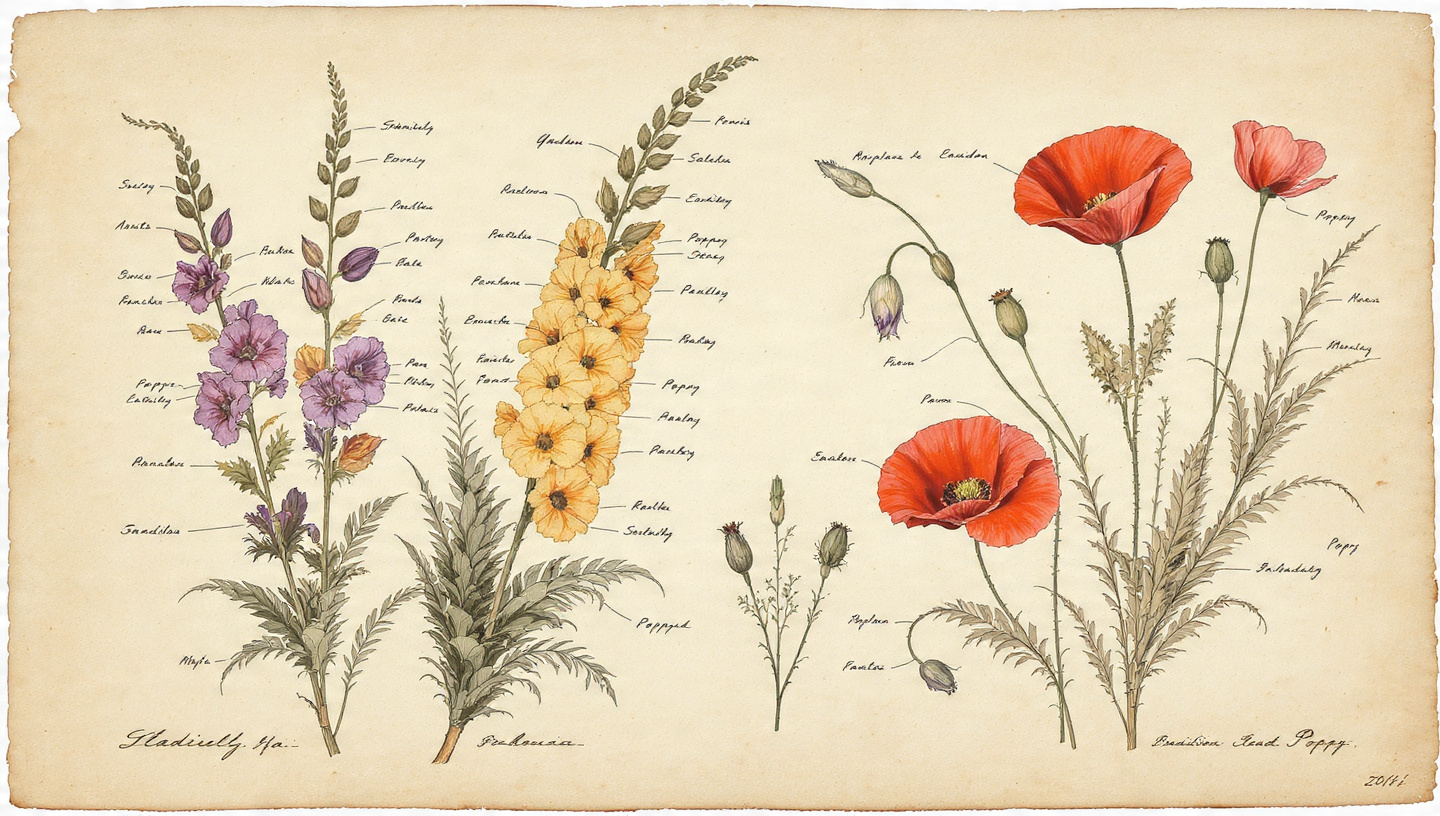
Gladiolus and poppy flowers are among the most striking and admired ornamental plants in gardens around the world. Known for their vibrant colors, elegant shapes, and rich symbolism, these flowers not only enhance the beauty of outdoor spaces but also carry a fascinating life history. Gardeners and flower enthusiasts often admire gladiolus for its tall, sword-like leaves and layered blooms, while poppies are celebrated for their delicate petals and bright, cheerful appearance.
Both gladiolus and poppy plants follow a unique life cycle that involves careful stages of growth, from seed germination to full bloom. Understanding this life cycle is essential for anyone looking to cultivate these flowers successfully. In this article, we will explore the life history, growth secrets, and expert care tips for gladiolus and poppy flowers, helping you achieve flourishing blooms in your own garden. If you love growing plants indoors, these low-maintenance indoor herb garden ideas are a great complement to your flower garden.
Gladiolus and poppy flowers have a rich historical and cultural heritage that makes them more than just garden ornaments. The gladiolus, often called the “sword lily,” is native to South Africa and has been cultivated for centuries for its dramatic spikes of colorful blooms. Its name derives from the Latin word gladius, meaning sword, which reflects the shape of its leaves. Historically, gladiolus flowers have symbolized strength, moral integrity, and remembrance, making them popular in ceremonial gardens and floral arrangements.
On the other hand, poppy flowers have a long-standing history that dates back to ancient civilizations. Poppies are native to Europe, North America, and parts of Asia and have been grown both for their ornamental beauty and for medicinal purposes. In ancient Greece and Rome, poppies were associated with sleep, peace, and death, due to their sedative properties. In modern times, red poppies have become symbols of remembrance for soldiers lost in wars, while different varieties are celebrated for their vibrant colors and delicate appearance in gardens worldwide.
Understanding the origins and historical significance of these flowers not only adds depth to your gardening experience but also enhances your appreciation of their cultural and symbolic meanings. This historical perspective provides context for their unique growth patterns and the care they require, which we will explore in the following sections.
The life cycle of gladiolus and poppy flowers is a fascinating journey that transforms tiny seeds or bulbs into vibrant, blooming plants. Understanding these stages is essential for gardeners who want healthy, flourishing flowers. Both gladiolus and poppy go through distinct phases: germination, vegetative growth, flowering, and seed production.
For gladiolus, the life cycle typically begins with a corm, a bulb-like structure, rather than a traditional seed. The corm sprouts roots and shoots, developing tall leaves and preparing for flowering. Poppies, in contrast, grow primarily from seeds. Once planted, poppy seeds germinate, forming tiny seedlings that gradually develop leaves and stems before producing their iconic, colorful blooms.
During the vegetative phase, both flowers focus on building strong stems, leaves, and root systems. Proper sunlight, soil nutrition, and watering are crucial at this stage to ensure the plant can support the heavy blooms that follow. Finally, during the reproductive stage, gladiolus and poppy flowers produce blossoms that attract pollinators and eventually form seeds for the next generation.
By following the natural life cycle of gladiolus and poppy, gardeners can optimize care, prevent common problems, and enjoy long-lasting blooms throughout the growing season.
The journey of gladiolus and poppy flowers begins at germination, a critical stage that determines the future health and vitality of the plants. Understanding this phase allows gardeners to provide optimal conditions for strong growth.
For gladiolus, germination typically starts from corms. Planting healthy corms in well-drained soil encourages the sprouting of roots and shoots. This early growth phase involves the development of the first set of leaves, which begin photosynthesis and support the plant’s energy needs. Adequate sunlight, moderate watering, and nutrient-rich soil are essential to prevent weak or stunted growth.
Poppy seeds, on the other hand, are tiny and delicate. They require light for germination, so it’s best to sow them on the soil surface rather than burying them too deep. Within 7–14 days, seedlings emerge, showing tiny leaves that gradually expand as the plant establishes its root system. Cool, well-drained soil and consistent moisture are crucial for healthy seedling development. For outdoor garden structure, consider adding small trees for landscaping to complement your flower beds.
During these early growth stages, gardeners should monitor for pests, fungal infections, and other environmental stressors. Providing supportive care during germination and seedling development ensures that both gladiolus and poppy plants grow strong, healthy, and ready for the next vegetative stage.
After germination, gladiolus and poppy plants enter the vegetative growth stage, where they focus on building strong leaves, stems, and root systems. This phase is crucial because healthy vegetative growth directly impacts flowering quality and overall plant vigor.
For gladiolus, the vegetative phase is marked by the development of tall, sword-like leaves. These leaves capture sunlight for photosynthesis, fueling the plant’s energy for future blooms. Fertile, well-drained soil enriched with organic matter supports robust growth. Regular watering is essential, but overwatering should be avoided to prevent root rot.
Poppy plants develop soft, feathery foliage during this stage. They thrive in cool temperatures and well-drained soil, with consistent moisture promoting steady growth. Fertilizing with a balanced, low-nitrogen fertilizer encourages leafy growth without overwhelming the plant.
Tips for Optimal Vegetative Growth:
By giving gladiolus and poppy plants the right care during vegetative growth, gardeners lay the foundation for vibrant, long-lasting blooms. Strong stems and healthy foliage ensure that flowers can develop fully and attract pollinators during the reproductive stage.
The flowering stage is the most anticipated phase in the life history of gladiolus and poppy flowers, as it reveals their full beauty and color. Proper care during this stage ensures vibrant blooms that last longer and attract pollinators like bees and butterflies.
For gladiolus, flowering begins with the emergence of flower spikes from the center of the plant. Each spike produces multiple blossoms that open sequentially, creating a striking display. To support blooming, it’s essential to provide adequate sunlight, consistent watering, and occasional feeding with a high-potassium fertilizer, which promotes flower formation. Deadheading spent blooms can encourage further flowering and maintain plant health.
Poppy flowers produce delicate, papery petals in a range of colors, from red and pink to white and yellow. Flower buds emerge above the foliage and open fully within a few days. Poppies thrive in well-drained soil and require minimal fertilization, as excessive nutrients can reduce flower quality. Gentle watering at the base of the plant prevents damage to the petals and reduces the risk of fungal infections.
Flowering Tips for Gladiolus and Poppy:
By understanding the flowering process, gardeners can maximize the visual impact of their gladiolus and poppy plants, ensuring that each bloom reaches its full potential.
Growing gladiolus and poppy flowers at home can be both rewarding and enjoyable, provided you follow the right cultivation techniques. By understanding their unique requirements, gardeners can ensure healthy growth and spectacular blooms.
1. Soil and Sunlight Requirements
Gladiolus thrives in well-drained, fertile soil with plenty of sunlight. Poppies prefer slightly sandy or loamy soil and can tolerate partial shade, though full sun encourages vibrant flowers. Proper soil preparation, including adding compost or organic mulch, supports strong root development and long-lasting blooms.
2. Watering and Fertilization
Consistent, moderate watering is key for both plants. Gladiolus corms need moist soil without waterlogging, while poppy seedlings require careful watering to avoid root rot. Fertilize gladiolus with a high-potassium fertilizer during flowering to promote healthy blooms. Poppies generally need minimal fertilization, as excessive nutrients can reduce flower quality.
3. Pest and Disease Management
Both plants are susceptible to pests such as aphids, caterpillars, and slugs. Regularly inspect plants and use organic pest control methods when needed. Fungal diseases like powdery mildew can be minimized by ensuring proper spacing, adequate sunlight, and watering at the base of the plant rather than overhead.
4. Seasonal Care and Maintenance
By following these expert tips, gardeners can cultivate healthy, thriving gladiolus and poppy plants, ensuring a garden full of stunning blooms year after year.
Even with proper care, gladiolus and poppy plants may face certain challenges during their life cycle. Identifying and addressing these problems early ensures healthy growth and long-lasting blooms.
1. Pests
2. Diseases
3. Environmental Stress
4. Growth Challenges
By proactively managing these issues, gardeners can enjoy healthy, vibrant gladiolus and poppy plants throughout the growing season. Regular observation and timely interventions make all the difference in maintaining a beautiful and thriving garden.
Beyond their visual appeal, gladiolus and poppy flowers hold deep symbolic meanings and fascinating stories that make them cherished in gardens and culture alike.
1. Gladiolus Symbolism and Facts
2. Poppy Symbolism and Facts
3. Fun Facts for Gardeners
Understanding the life history and symbolic meanings of gladiolus and poppy adds depth to gardening, transforming the act of planting into an appreciation of nature, culture, and history.
The life history and growth secrets of gladiolus and poppy flowers reveal just how remarkable these ornamental plants truly are. From their fascinating historical origins to their carefully structured life cycles, both flowers demonstrate unique growth patterns that reward gardeners with stunning blooms when properly cared for.
By understanding key stages such as germination, vegetative growth, flowering, and seed production, gardeners can provide the right conditions at the right time. Gladiolus thrives when its corms are planted in fertile, well-drained soil with full sunlight, while poppies flourish from tiny seeds in cooler temperatures with minimal interference. Proper watering, spacing, and pest management play a crucial role in ensuring healthy development and long-lasting flowers.
Beyond gardening, gladiolus and poppy flowers carry deep symbolic meanings, representing strength, remembrance, peace, and beauty across cultures. These qualities make them not only visually appealing additions to gardens but also emotionally and culturally significant plants.
Whether you are a beginner gardener or an experienced plant lover, applying these growth tips and life cycle insights will help you successfully cultivate gladiolus and poppy flowers at home. With patience and care, your garden can flourish with vibrant colors, meaningful symbolism, and natural elegance year after year.