Physical Address
304 North Cardinal St.
Dorchester Center, MA 02124
Physical Address
304 North Cardinal St.
Dorchester Center, MA 02124
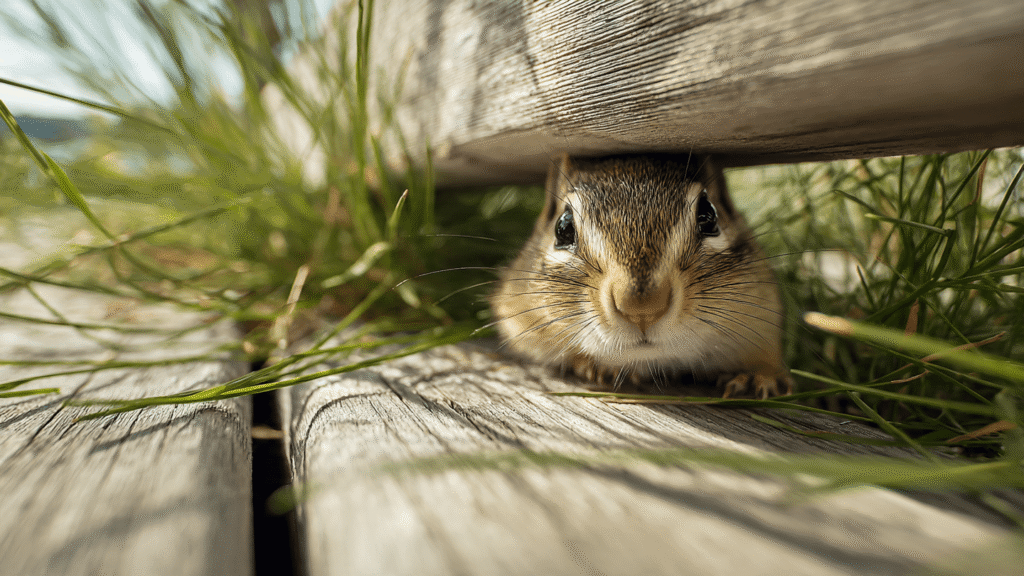
Chipmunks are genuinely charming animals right up until they start burrowing tunnels beneath your deck, destabilising your patio pavers, or excavating through your flower bulbs. Once a chipmunk establishes a burrow system under a structure, it’s not going anywhere on its own, and the problem tends to compound as the network of tunnels grows.
The good news is that chipmunks are manageable with the right combination of repellents, physical barriers, and habitat changes, and none of it requires poison, which creates more problems than it solves. This guide covers the full process: identification, understanding the real damage risk, natural deterrents that work, how to install an L-shaped exclusion barrier (the gold standard for long-term prevention), and a season-by-season maintenance plan. Once your deck is chipmunk-free, consider upgrading your outdoor space with an above ground pool with deck.
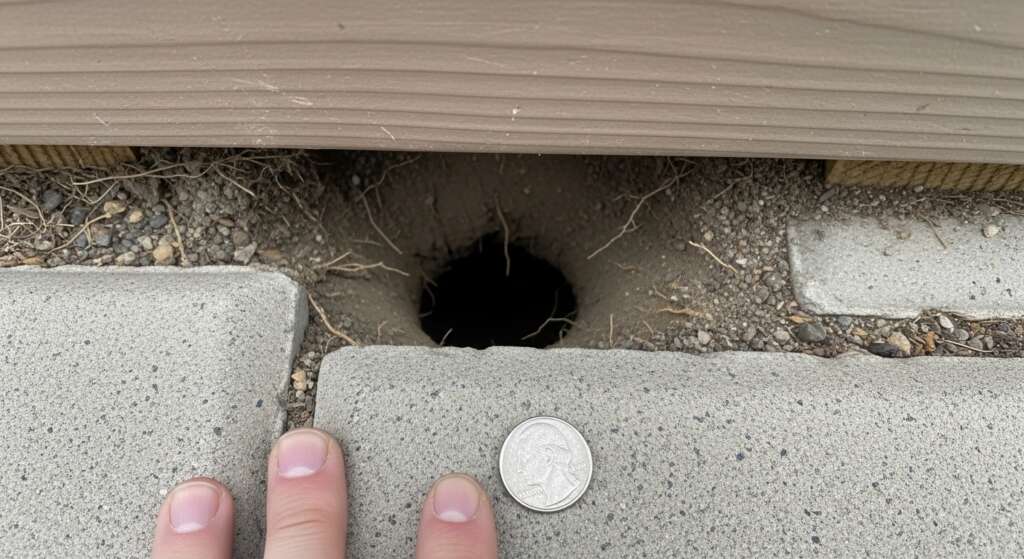
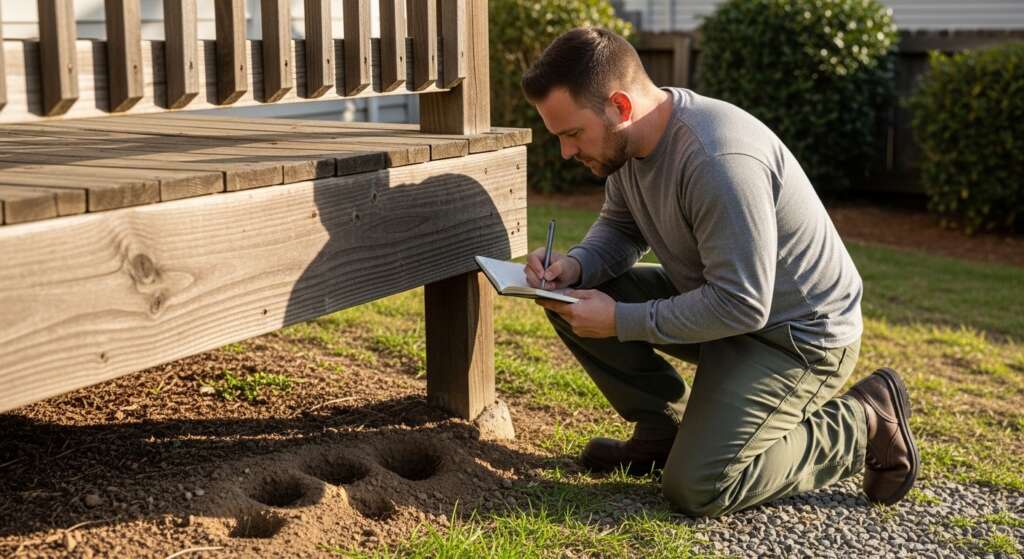
Chipmunks are mostly active during the day, which makes them easier to spot than some pests, but their burrow entrances are deliberately inconspicuous. A chipmunk hole is typically 1–2 inches wide, neat around the edges, and crucially has no mound of displaced soil nearby. This is the key distinguishing feature: unlike moles or groundhogs, chipmunks carry excavated dirt away from the entrance in their cheek pouches, leaving a clean, inconspicuous hole.
Look for burrow entrances along the edges of structures, at the base of deck posts, along the seam where patio pavers meet soil, near stair footings, and alongside retaining walls. Chipmunks usually position their entrance holes near cover, so check the shadow line where the decking meets the ground first.
Beyond the burrow holes themselves, look for: chewed or missing plant bulbs (tulips, daffodils, and crocuses are favourite targets); scattered seeds or nut shells in unexpected places; soft depressions or sunken areas near pavers or patios; shallow surface scratching on wooden deck boards; and small paw prints in soft soil after rain. If your dog or cat is obsessively sniffing a particular area near your deck base, that’s also a reliable indicator.
Chipmunks don’t chew through concrete or structurally destroy buildings the way termites or rats can, but their burrowing creates a more subtle, cumulative risk that’s worth understanding clearly so you can gauge how urgently to act. Protect your yard further by choosing the right small trees for landscaping that naturally deter pests.
The primary concern is soil displacement and void creation. As chipmunks excavate, they remove soil from around and beneath foundations, patios, and deck footings. Over time, especially with multiple animals or a burrow system that’s been active for more than a season, those voids allow the soil above to settle unevenly, which can crack patio slabs, loosen pavers, and in more severe cases cause uneven settling near structural footings.
The secondary risk is water management. Chipmunk tunnels can redirect water flow around your foundation, channelling moisture toward basement walls or crawlspaces rather than away from them. This is particularly significant in areas with clay-heavy soil that doesn’t drain well.
🐿️ Context matters: A single chipmunk under your deck is unlikely to cause structural damage in the short term. An untreated colony of 5–10+ animals with an established burrow network that’s been active for several seasons is a genuine structural concern. Act early; it’s much easier to deter one or two animals than to deal with an established colony.
Before applying any control method, make sure you’re actually dealing with chipmunks. Several common garden animals have similar habits but require different approaches.
| Animal | Hole Size | Soil Mound? | Active Time | Primary Diet | Typical Location |
|---|---|---|---|---|---|
| 🐿️ Chipmunk | 1–2 inches | None (clean) | Daytime | Seeds, bulbs, nuts | Near structures, decks, gardens |
| 🐭 Mole | 2–3 inches | Raised ridges | Any time | Earthworms, insects | Open lawns, raised tunnels |
| 🐀 Vole | 1–1.5 inches | Small mound | Day & night | Roots, plant stems | Dense ground cover, mulch |
| 🦔 Ground Squirrel | 3–4 inches | Large mound | Daytime | Seeds, grains, plants | Open fields, slopes |
| 🦡 Groundhog | 6+ inches | Large dirt pile | Daytime | Vegetation, roots | Garden edges, under sheds |
If you’re seeing raised lawn ridges or surface tunnels running across open grass, you’re dealing with moles, not chipmunks, and the solutions are quite different. Chipmunks burrow down rather than creating surface tunnels, and their holes appear specifically near structures, logs, or rock edges rather than out in the open lawn.
Chipmunks have an excellent sense of smell and use it heavily for navigation and threat detection. Scent-based repellents work by making an area smell like either a predator’s territory or a hostile, unpleasant environment. They won’t remove chipmunks that have already established a burrow, but they’re highly effective as a deterrent around the perimeter of structures that haven’t yet been colonised and as a follow-up after removal to discourage re-entry.
Sprinkle around burrow entrances, deck edges, and garden borders. The burning sensation on paws and nose deters chipmunks. Reapply every 3–4 days and after rain.
✓ Most widely effectiveMix with water and spray around edges. Strong menthol scent overwhelms their sense of smell. Works best on hard surfaces.
✓ Good for deck surfacesMimics predator presence and triggers avoidance instinct. Apply along access routes for best results.
✓ Strongest deterrentSpread around holes and edges. Human scent deters chipmunks and is completely free.
✓ Free & non-toxicNatural barrier using scent and toxicity. Works long-term without reapplication.
✓ Passive long-term solutionDetects movement and sprays water. Very effective for stubborn or habituated chipmunks.
✓ Best for stubborn cases⚠️ Note on ultrasonic devices: Despite their popularity, ultrasonic repellers are not well-supported by evidence for controlling underground burrowing animals. Sound waves don’t travel effectively through soil, so devices placed above ground have a limited effect on chipmunks already established in burrows. Use them as a supplement, not a primary strategy. Evidence-based chipmunk control guidance from wildlife management experts.
💡 Keep away from direct skin contact and wash your hands after application. Avoid spraying directly on edible plants. The cayenne pepper will wash off in the rain, so consistent reapplication is key to effectiveness, and a homemade natural cleaning solution.
If chipmunks are already established under your deck, repellents alone won’t remove them; the animals are simply too habituated to their burrow to be scared off by scent. The Humane Society’s guidance on living with chipmunks, live trapping is the most effective and humane removal method, and it’s straightforward if done correctly.
Use a small wire cage trap at least 10 inches long. Look for squirrel/chipmunk models (e.g., Havahart). A ¼-inch mesh prevents injury from chewing attempts.
Peanut butter works best. You can also use sunflower seeds, apple, or corn. Place bait at the back so the chipmunk fully enters before triggering the trap.
Place traps near burrow entrances or along travel paths. Cover half the trap to create a sheltered feel. Check every few hours.
Do not leave animals trapped for long. Use gloves when handling — stressed chipmunks may bite.
Chipmunks can return if released too close. Choose a suitable wooded area and check local wildlife regulations before relocation.
🔵 Important: When trapping, leave one burrow entrance open and seal the others. Place your trap at the remaining open entrance. This funnels the chipmunk toward the trap rather than allowing it to exit through an unsealed hole you haven’t located yet. Installing an exclusion barrier is a satisfying project that builds on broader hands-on DIY home improvement skills that pay off throughout your home.
This is the single most effective long-term solution for keeping chipmunks permanently out from under a deck, porch, or patio. An L-shaped hardware cloth barrier physically prevents digging at the perimeter of any structure, and when installed correctly, it lasts decades without any maintenance. The L-shaped footer installation guidance from Family Handyman.
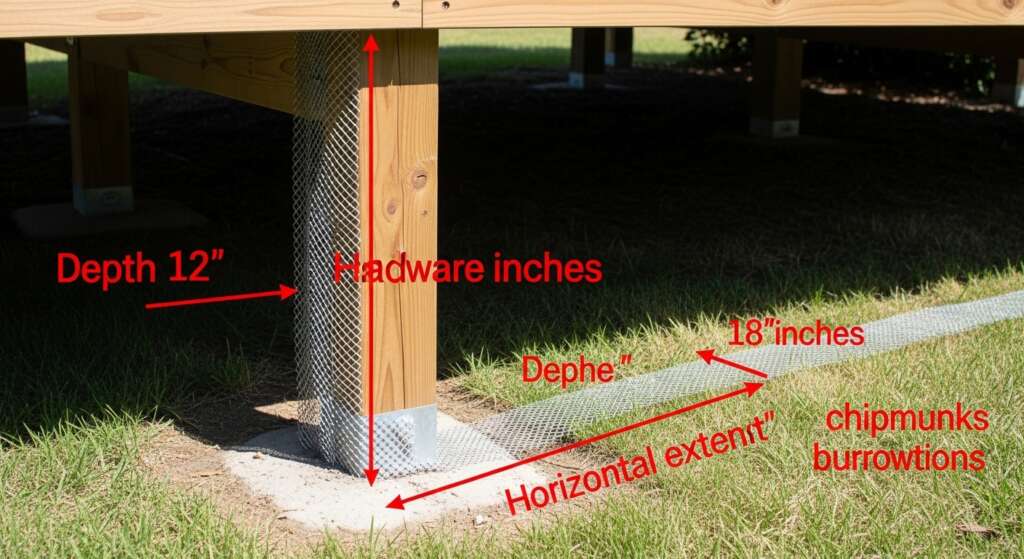
½-inch galvanized hardware cloth (not chicken wire), wire cutters, fender washers, screws, trenching tool, and optional gravel.
Dig a trench about 12 inches deep and 18 inches wide along the structure perimeter.
Form an L-shape: 12″ vertical + 18″ horizontal extending outward. Ensure the bottom section points away from the structure.
Secure the vertical section using washers and screws to prevent gaps.
Fill with soil or gravel, compact firmly, and level the surface. Installation becomes invisible and long-lasting.
⚠️ Critical step: Before sealing the perimeter with hardware cloth, ensure all chipmunks are removed first. Seal them out, not in; trapping one inside can cause severe damage as it tries to escape.
The most effective long-term control is making your yard less attractive to chipmunks in the first place. These animals are opportunists; they settle where food and cover are readily available near safe shelter. Remove those attractants, and the pressure on your deck decreases significantly.
Manage food sources rigorously. Bird feeders are the single biggest chipmunk attractant on most residential properties. Position feeders at least 15–20 feet from any structure, use baffles to prevent chipmunks from climbing the pole, and clean up spilled seed daily. Store birdseed in sealed metal containers; plastic bins are not secure against determined gnawing.
Eliminate cover near structures. Rock piles, woodpiles, dense low shrubs, and leaf litter piles immediately adjacent to your deck or patio all serve as staging areas and cover for chipmunks approaching your structure. Move woodpiles at least 20 feet from the deck, clear leaf litter seasonally, and trim low-growing shrubs back from the deck perimeter.
Replace mulch beds near structures with gravel. Mulch is an ideal chipmunk habitat; it’s soft, moisture-retaining, and concealing. A 2–3-foot gravel border around the base of your deck or patio creates an inhospitable zone that chipmunks strongly prefer to avoid. It also improves drainage around your foundation.
Protect bulbs with physical barriers. Plant bulbs inside wire mesh cages or cover freshly planted beds with hardware cloth pinned to the soil. This removes the food incentive that originally attracts chipmunks to garden areas near your structure.
Chipmunk behaviour changes significantly through the year, and so should your prevention approach. Staying ahead of seasonal activity patterns is much more efficient than reacting to an established problem.
Addressing chipmunk damage early prevents the need for much more expensive structural repairs like those covered in our guide to other urgent home maintenance repairs.
Contact a licensed wildlife removal specialist if you’re seeing multiple new burrow entrances appearing each week despite active prevention; if your deck, patio, or pavers are visibly sinking or cracking; if chipmunks have entered interior spaces such as crawlspaces, garages, or the wall cavities of the structure; or if live trapping has been unsuccessful for more than 2–3 weeks. These signs suggest either a large established colony or conditions that need professional assessment to address properly.
| Per visit, multiple visits are often needed | Typical Cost Range (US) | Notes |
|---|---|---|
| Initial inspection | $75 – $150 | Burrow mapping, entry point identification |
| Live trapping & removal | $200 – $400 | Per visit; multiple visits often needed |
| Exclusion work (sealing) | $150 – $350 | Hardware cloth, mesh, gap sealing |
| Full control package | $400 – $700 | Inspection + trapping + exclusion combined |
For context, repairing cracked patio concrete or re-levelling sunken deck footings typically costs $500–$2,000+, depending on severity. Professional exclusion work is a reasonable preventive investment against that potential expense.
Start by confirming you’re dealing with chipmunks rather than moles or voles — the burrow appearance (clean, 1–2 inch holes near structures with no soil mound) is the key identifier. If animals are already established, combine live trapping with partial burrow sealing to remove them efficiently. Once clear, the L-shaped hardware cloth barrier is the permanent solution — it physically prevents re-entry rather than just discouraging it.
Ongoing prevention is mostly about removing attractants: managing bird feeders, eliminating debris cover near structures, and maintaining a gravel or bare border at your deck’s base. Add seasonal repellent applications and a simple spring inspection to your yard maintenance routine, and chipmunks are very unlikely to become a recurring problem.
For more outdoor living and home maintenance guides, explore our Gardening & Outdoor Living and DIY & Home Hacks sections.