Why Your Parsley Plant Keeps Dying (And How to Fix It)
If your parsley plant keeps dying no matter what you try, you’re not alone. Many beginners struggle with this herb because parsley has specific care needs that are easy to overlook. The good news? Once you understand the basics, keeping your plant alive becomes simple.
One of the most common reasons a parsley plant dies is overwatering. While parsley needs consistently moist soil, soggy soil can quickly lead to root rot. If your plant’s leaves are turning yellow or the stems feel soft, too much water is likely the problem. To fix this, allow the top inch of soil to dry out before watering again and make sure your pot has proper drainage holes. Parsley is one of the best herbs for a beginner indoor herb garden — here are more low-maintenance ideas to get started.
Another major issue is insufficient sunlight. Parsley plants thrive in bright, indirect light or full sun for at least 4–6 hours a day. Without enough light, the plant becomes weak, leggy, and slow-growing. If you’re growing parsley indoors, place it near a sunny window or consider using a grow light.
Poor soil quality can also stunt your parsley plant’s growth. Parsley prefers well-draining, nutrient-rich soil. Heavy or compact soil can suffocate the roots and prevent proper development. Using a high-quality potting mix with added compost can make a big difference.
Temperature stress is another hidden factor. Parsley grows best in mild conditions, typically between 15°C and 25°C. Extreme heat or cold can shock the plant, causing leaves to wilt or dry out.
Lastly, don’t overlook pests and diseases. Aphids, spider mites, and fungal issues can weaken your plant over time. Regularly check the leaves for spots, holes, or tiny insects, and treat problems early using natural remedies like neem oil.
What Makes the Parsley Plant Unique?
The parsley plant is more than just a garnish sitting on the edge of your plate it’s a versatile, nutrient-rich herb that plays an important role in both gardening and cooking. What makes parsley truly unique is its ability to combine ease of growth, health benefits, and culinary value all in one compact plant.
One of the standout features of the parsley plant is that it is a biennial herb, meaning it completes its life cycle over two years. In the first year, it produces lush, flavorful leaves, which are perfect for harvesting. In the second year, it focuses on flowering and seed production. For most home gardeners, parsley is grown as an annual to enjoy its fresh leaves at their best.
Another unique aspect is its adaptability. Parsley can thrive in various environments whether you’re growing it in a garden bed, a small pot on your balcony, or even indoors on a windowsill. This makes it an ideal choice for beginners and urban gardeners looking to grow herbs in limited space.
The parsley plant is also known for its slow germination, which can take anywhere from 2 to 4 weeks. While this might test your patience, the reward is a hardy plant that can produce fresh leaves continuously when properly maintained.
From a nutritional standpoint, parsley stands out as a powerhouse of vitamins and minerals. It is rich in vitamin C, vitamin K, and antioxidants, making it not just a flavor enhancer but also a healthy addition to your meals.
Finally, parsley is valued for its continuous harvest potential. Unlike many plants that require full harvesting, parsley allows you to pick only the outer leaves while the plant keeps growing from the center. This means you can enjoy fresh herbs for weeks or even months from a single plant.
Types of Parsley: Curly vs Flat-Leaf (Italian)
When growing a parsley plant, choosing the right variety can make a big difference in both flavor and usage. The two most common types are curly parsley and flat-leaf parsley (also known as Italian parsley). While they may look similar at first glance, they have distinct characteristics that every gardener should understand. Once your parsley is thriving, why not try growing cilantro? Here’s how to grow cilantro at home the easy way.
Curly parsley is easily recognizable by its tightly ruffled, decorative leaves. It is often used as a garnish because of its attractive appearance. In terms of taste, curly parsley has a milder and slightly bitter flavor, making it less intense in dishes. This variety is ideal if you want a visually appealing plant that also adds a subtle herbal touch to your meals.
On the other hand, flat-leaf parsley (Italian parsley) has broad, smooth leaves and is preferred by chefs around the world. It offers a stronger, more robust flavor, which makes it perfect for cooking. Whether you’re adding it to soups, salads, or sauces, flat-leaf parsley enhances the overall taste more effectively than its curly counterpart.
From a growing perspective, both types have similar care requirements, but flat-leaf parsley is often considered easier to maintain and slightly more resilient. It tends to grow faster and adapts well to different conditions, making it a great choice for beginners.
Ideal Sunlight Requirements for a Healthy Parsley Plant
Providing the right light conditions is essential if you want your parsley plant to grow strong, leafy, and full of flavor. Sunlight directly affects how quickly your plant grows and how healthy it looks.
A parsley plant thrives best in full sun to partial shade, which means it needs around 4 to 6 hours of direct sunlight daily. If your plant receives enough light, you’ll notice vibrant green leaves and steady growth. Without it, parsley can become weak, pale, and slow to develop.
If you’re growing parsley outdoors, choose a spot that gets morning sunlight and some afternoon shade especially in hotter climates. Too much intense heat can stress the plant and cause the leaves to wilt or dry out. Another beginner-friendly herb worth growing alongside parsley is the chocolate mint plant.
For indoor parsley plants, placement is key. Keep your plant near a south-facing or west-facing window where it can get consistent natural light. If your home doesn’t get enough sunlight, you can use a grow light to supplement and keep your plant healthy year-round.
Signs Your Parsley Plant Isn’t Getting Enough Sunlight:
- Leggy, stretched stems
- Pale or light green leaves
- Slow or no growth
Signs of Too Much Sun Exposure:
- Dry or crispy leaf edges
- Wilting despite proper watering
Quick Sunlight Tips:
- Aim for 4–6 hours of sunlight daily
- Protect from harsh afternoon heat
- Rotate indoor pots for even growth
- Use grow lights if natural light is limited
Getting the sunlight balance right is one of the easiest ways to stop your parsley plant from struggling and ensure healthy, continuous growth.
How Often to Water a Parsley Plant (Avoid Overwatering!)
Watering is one of the most common mistakes that causes a parsley plant to die. While parsley enjoys consistently moist soil, too much water can lead to root rot, yellowing leaves, and stunted growth.
Key Watering Guidelines:
- Check the soil before watering: Stick your finger about 1 inch into the soil. If it feels dry, it’s time to water. If it’s still moist, wait another day or two.
- Water thoroughly, not frequently: Give your parsley enough water so it reaches the roots, but make sure the excess can drain out. Standing water in the pot is harmful.
- Use a pot with drainage holes: Proper drainage prevents waterlogging and helps the roots stay healthy.
- Adjust watering for climate and season: During hot summer months, parsley may need daily watering, while cooler months require less frequent watering.
Signs of Incorrect Watering:
- Overwatering: Yellow leaves, soft stems, and soggy soil
- Underwatering: Wilting leaves, dry soil, and slow growth
Pro Tips:
- Water in the morning to allow soil to dry slightly during the day.
- Avoid watering directly on the leaves to prevent fungal growth.
- Mulching lightly around the base can help retain soil moisture without overwatering.
By mastering the right watering schedule, your parsley plant will stay lush, green, and productive for months.
Best Soil Mix for Strong Growth
The foundation of a healthy parsley plant starts with the right soil. Parsley prefers soil that is nutrient-rich, well-draining, and slightly acidic to neutral (pH 6.0–7.0). Using the correct soil mix ensures strong roots, healthy leaves, and continuous growth.
Key Soil Requirements:
- Well-Draining Soil: Parsley roots are prone to rot if water collects at the bottom of the pot. Mixing potting soil with perlite or sand helps maintain proper drainage.
- Nutrient-Rich: Parsley grows best in soil enriched with organic matter or compost, which provides essential nutrients like nitrogen for vibrant green leaves.
- Loamy Texture: A light, airy texture allows roots to expand easily, supporting better water and nutrient absorption.
- Slightly Acidic to Neutral pH: Parsley grows well in pH 6.0–7.0. You can test your soil and adjust with lime (to raise pH) or sulfur (to lower pH) if needed.
Recommended Soil Mix for Pots:
- 2 parts high-quality potting soil
- 1 part compost
- 1 part perlite or coarse sand
This mix balances moisture retention with proper drainage, creating the perfect environment for parsley growth.
Common Soil Mistakes:
- Using heavy garden soil without drainage (leads to root rot)
- Neglecting nutrients (leaves turn pale and growth slows)
- Compact soil that restricts root expansion
A parsley plant grown in ideal soil conditions will develop strong roots, lush leaves, and be less susceptible to pests and diseases.
Temperature and Humidity Needs
Maintaining the right temperature and humidity is essential to stop your parsley plant from struggling. Parsley is a hardy herb, but extreme conditions can stunt growth or cause leaves to yellow and wilt.
Optimal Temperature:
- Parsley grows best in moderate temperatures, between 15°C and 25°C (59°F–77°F).
- Too hot (above 30°C / 86°F): Leaves may curl, wilt, or turn yellow. Provide partial shade during hot summer days.
- Too cold (below 5°C / 41°F): Frost can damage or kill the plant. Consider indoor growing or protective covers during winter.
Ideal Humidity:
- Parsley prefers moderate humidity levels. Low humidity can cause leaves to dry out, while extremely high humidity may encourage fungal diseases.
- Indoor tips: If air is dry, mist the plant lightly or place a tray of water nearby to maintain moisture in the air.
Quick Temperature & Humidity Tips:
- Avoid placing parsley near air conditioners or heaters that dry out leaves.
- For indoor plants, keep away from drafty windows during cold months.
- In hot climates, water early in the morning to prevent heat stress.
By maintaining moderate temperature and humidity, your parsley plant will grow strong, lush, and vibrant throughout the year.
Growing Parsley from Seeds (Step-by-Step)
Growing a parsley plant from seeds may require patience, but it’s one of the most rewarding ways to start your herb garden. Parsley seeds can take 2–4 weeks to germinate, so following the right steps is key to success.
Step 1: Choose High-Quality Seeds
- Select fresh parsley seeds from a reliable source.
- You can choose between curly parsley or flat-leaf (Italian) parsley, depending on your preference.
Step 2: Prepare the Soil
- Use a well-draining, nutrient-rich soil mix (potting soil + compost + perlite).
- Fill seed trays or small pots with this mix and moisten lightly.
Step 3: Plant the Seeds
- Sow seeds about 0.5 cm (¼ inch) deep.
- Cover lightly with soil and gently water.
Step 4: Provide Optimal Conditions
- Place the seeds in a warm location (15–25°C / 59–77°F).
- Keep the soil consistently moist, but not soggy.
- Parsley seeds germinate slowly, so be patient and avoid disturbing the soil.
Step 5: Germination & Early Growth
- Germination may take 2–4 weeks.
- Once seedlings have 2–3 sets of true leaves, thin them out if necessary to avoid overcrowding.
Step 6: Transplanting
- When seedlings are strong enough, transplant them into larger pots or your garden bed.
- Ensure 4–6 hours of sunlight daily and continue regular watering.
Tips for Success:
- Soak seeds overnight before planting to speed up germination.
- Label your pots if planting multiple varieties.
- Avoid letting soil dry out completely during the germination phase.
Growing parsley from seeds allows you to control the plant’s environment from the very beginning, resulting in a stronger, healthier plant that will produce fresh leaves for months.
How to Grow Parsley in Pots and Containers
Growing a parsley plant in pots or containers is perfect for small spaces, balconies, or indoor kitchens. With the right setup, your parsley can thrive just as well as in a garden bed.
Step 1: Choose the Right Container
- Use a pot that is at least 20–25 cm (8–10 inches) deep to accommodate parsley’s long taproots.
- Ensure the container has drainage holes to prevent waterlogging.
Step 2: Use Quality Soil
- Fill the pot with well-draining, nutrient-rich potting mix.
- Mix in compost or organic fertilizer to encourage healthy leaf growth.
Step 3: Planting
- Sow parsley seeds directly or transplant seedlings into the pot.
- Space multiple plants 5–10 cm (2–4 inches) apart to avoid overcrowding.
Step 4: Watering and Sunlight
- Keep the soil consistently moist, but avoid soggy conditions.
- Place the pot in a south- or west-facing window for 4–6 hours of sunlight, or supplement with a grow light indoors.
Step 5: Maintenance
- Regularly harvest outer leaves to encourage continuous growth.
- Fertilize lightly every 4–6 weeks to replenish nutrients.
- Rotate the pot occasionally so all sides receive sunlight evenly.
Advantages of Container Gardening:
- Perfect for urban or indoor gardeners
- Easier to control watering, soil quality, and sunlight
- Can be moved indoors during cold or harsh weather
Growing parsley in pots is low-maintenance, flexible, and highly rewarding, giving you a constant supply of fresh herbs right in your home.
Common Parsley Plant Problems (And Solutions)
Even with proper care, your parsley plant can face challenges. Knowing the most common problems and how to solve them ensures your plant stays healthy and productive.
Yellowing Leaves
Cause: Overwatering, poor drainage, or nutrient deficiencies.
Solution:
- Let the top inch of soil dry before watering.
- Ensure the pot has proper drainage.
- Add compost or balanced fertilizer if the soil is nutrient-poor.
Wilting or Drooping Leaves
Cause: Underwatering, extreme heat, or root stress.
Solution:
- Water thoroughly and maintain consistent soil moisture.
- Move the plant to partial shade during hot afternoons.
- Check roots for damage and repot if necessary
Slow Growth or Leggy Plants
Cause: Insufficient sunlight or overcrowding.
Solution:
- Provide 4–6 hours of sunlight daily or use a grow light indoors.
- Thin seedlings to avoid overcrowding, ensuring each plant has space.
Pests and Diseases
Common Culprits: Aphids, spider mites, and fungal infections.
Solution:
- Inspect leaves regularly for insects or spots.
- Spray affected plants with natural remedies, such as neem oil or soapy water.
- Remove heavily infected leaves promptly.
Brown Leaf Edges
Cause: Low humidity, heat stress, or inconsistent watering.
Solution:
- Mist the plant lightly if air is dry.
- Maintain consistent watering habits.
- Provide partial shade during hot summer days.
Quick Care Checklist:
- Water correctly (not too much or too little)
- Maintain proper sunlight and temperature
- Monitor for pests and diseases
- Fertilize lightly every few weeks
- Harvest regularly to encourage growth
By addressing these common problems early, you can keep your parsley plant lush, green, and thriving, avoiding the frustration of plant loss.
When and How to Harvest Parsley Leaves
Harvesting your parsley plant correctly is essential to keep it healthy, productive, and full of flavor. Unlike some herbs, parsley allows for continuous harvesting, so you can enjoy fresh leaves for weeks or months.
When to Harvest
- Wait until the plant has at least 6–8 healthy leaves.
- Typically, parsley is ready to harvest 60–90 days after planting from seeds.
- Always harvest in the morning, when leaves are most flavorful.
How to Harvest
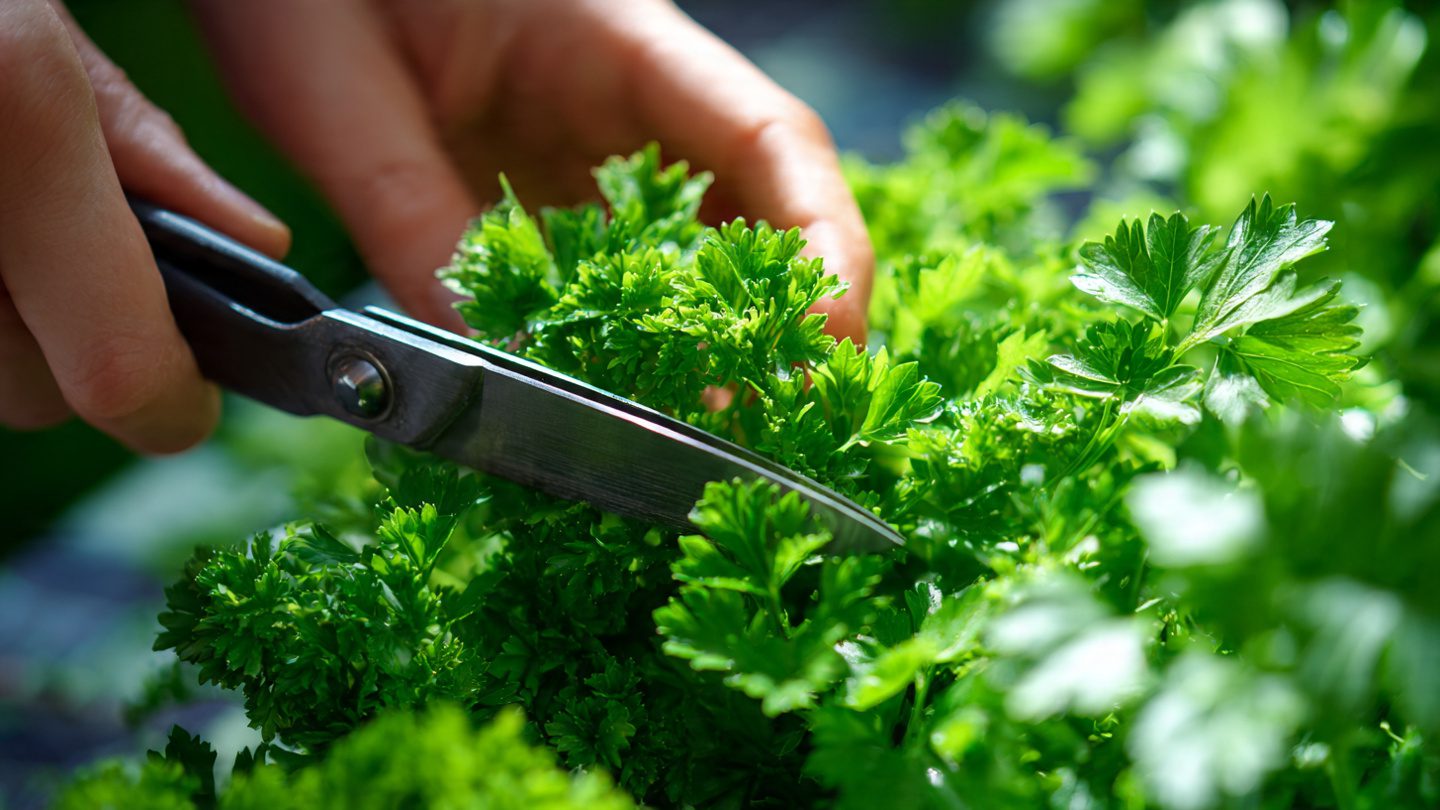
- Cut Outer Leaves First: Use scissors or pruning shears to snip leaves near the base of the stems.
- Leave Inner Growth: Avoid cutting the central stems; new leaves will continue to grow from the center.
- Harvest Regularly: Frequent trimming encourages bushier growth and prevents the plant from flowering too early.
Pro Harvesting Tips
- Avoid harvesting more than one-third of the plant at a time.
- For flat-leaf parsley, cut at the base of the stem for maximum yield.
- Curly parsley can be harvested similarly, but focus on outer leaves to maintain the plant’s decorative look.
Storage Tips
- Place freshly harvested leaves in a glass of water for short-term storage.
- Wrap leaves in a damp paper towel and refrigerate to keep them fresh for 5–7 days.
- You can also freeze parsley in ice cube trays with water or olive oil for long-term use.
By following these harvesting techniques, your parsley plant will remain productive and healthy, giving you a steady supply of fresh herbs for cooking and garnishing.
Fertilizing Your Parsley Plant the Right Way
Proper fertilization is key to keeping your parsley plant healthy, green, and productive. Without the right nutrients, leaves may turn pale, growth may slow, and overall plant vigor can decline.
Choosing the Right Fertilizer
- Parsley responds best to a balanced, water-soluble fertilizer (NPK ratio 10-10-10 or 14-14-14).
- Organic options like compost, worm castings, or fish emulsion are excellent for continuous, gentle nutrition.
How Often to Fertilize
- For potted parsley plants, fertilize every 4–6 weeks during the growing season.
- For garden bed parsley, add compost or organic fertilizer at the start of the growing season and mid-season for optimal growth.
Fertilizing Tips
- Always water the plant before fertilizing to prevent root burn.
- Apply fertilizer around the base of the plant, avoiding direct contact with leaves.
- Avoid over-fertilization — too much nitrogen can make leaves lush but reduce flavor intensity.
Benefits of Proper Fertilization
- Encourages vibrant, dark green leaves
- Supports continuous leaf production
- Strengthens the plant’s resistance to pests and diseases
- Improves overall plant longevity
By fertilizing your parsley plant correctly, you’ll ensure strong growth, flavorful leaves, and a thriving herb garden throughout the year.
Benefits and Uses of Parsley
The parsley plant isn’t just a decorative herb it’s packed with nutritional and culinary benefits. Growing your own parsley ensures a constant supply of fresh leaves that can elevate both your meals and health.
Health Benefits of Parsley
- Rich in Vitamins: Parsley is high in vitamin C, vitamin K, and vitamin A, supporting immunity, bone health, and vision.
- Antioxidant Properties: Contains flavonoids and antioxidants that help protect cells from damage.
- Supports Digestion: Parsley can aid in digestion and reduce bloating when used as a fresh herb.
- Detoxification: Acts as a natural diuretic, helping to flush toxins from the body.
Culinary Uses
- Garnishing: Curly parsley adds color and elegance to dishes.
- Flavoring: Flat-leaf parsley enhances soups, sauces, and salads with a robust herbal flavor.
- Herb Blends: Key ingredient in chimichurri, tabbouleh, and pesto recipes.
- Fresh Juices: Parsley can be added to smoothies or green juices for a nutrient boost.
Why Grow Parsley at Home
- Always have fresh, pesticide-free leaves available.
- Saves money compared to store-bought herbs.
- Provides continuous harvest for weeks or months.
- Enhances your home garden’s aesthetic while being functional.
Growing and using parsley from your own plant ensures that you can enjoy maximum flavor, freshness, and health benefits in every meal.
Conclusion:
Growing a parsley plant doesn’t have to be a challenge. With the right sunlight, watering, soil, and care, you can enjoy lush, flavorful parsley all year long.
Key takeaways for success include:
- Sunlight: 4–6 hours daily, with partial shade during extreme heat.
- Watering: Keep soil consistently moist but avoid overwatering.
- Soil: Use well-draining, nutrient-rich soil to support strong root growth.
- Temperature & Humidity: Maintain moderate conditions to prevent stress.
- Harvesting: Regularly trim outer leaves to encourage continuous growth.
- Fertilization: Feed your plant with balanced or organic fertilizers every few weeks.
- Pest & Disease Management: Inspect frequently and act early to prevent damage.
By following these expert tips, you can stop killing your parsley plant and enjoy a healthy, productive, and aromatic herb right from your home garden. Whether for cooking, garnishing, or health benefits, a thriving parsley plant is a rewarding addition to any home garden.