Physical Address
304 North Cardinal St.
Dorchester Center, MA 02124
Physical Address
304 North Cardinal St.
Dorchester Center, MA 02124
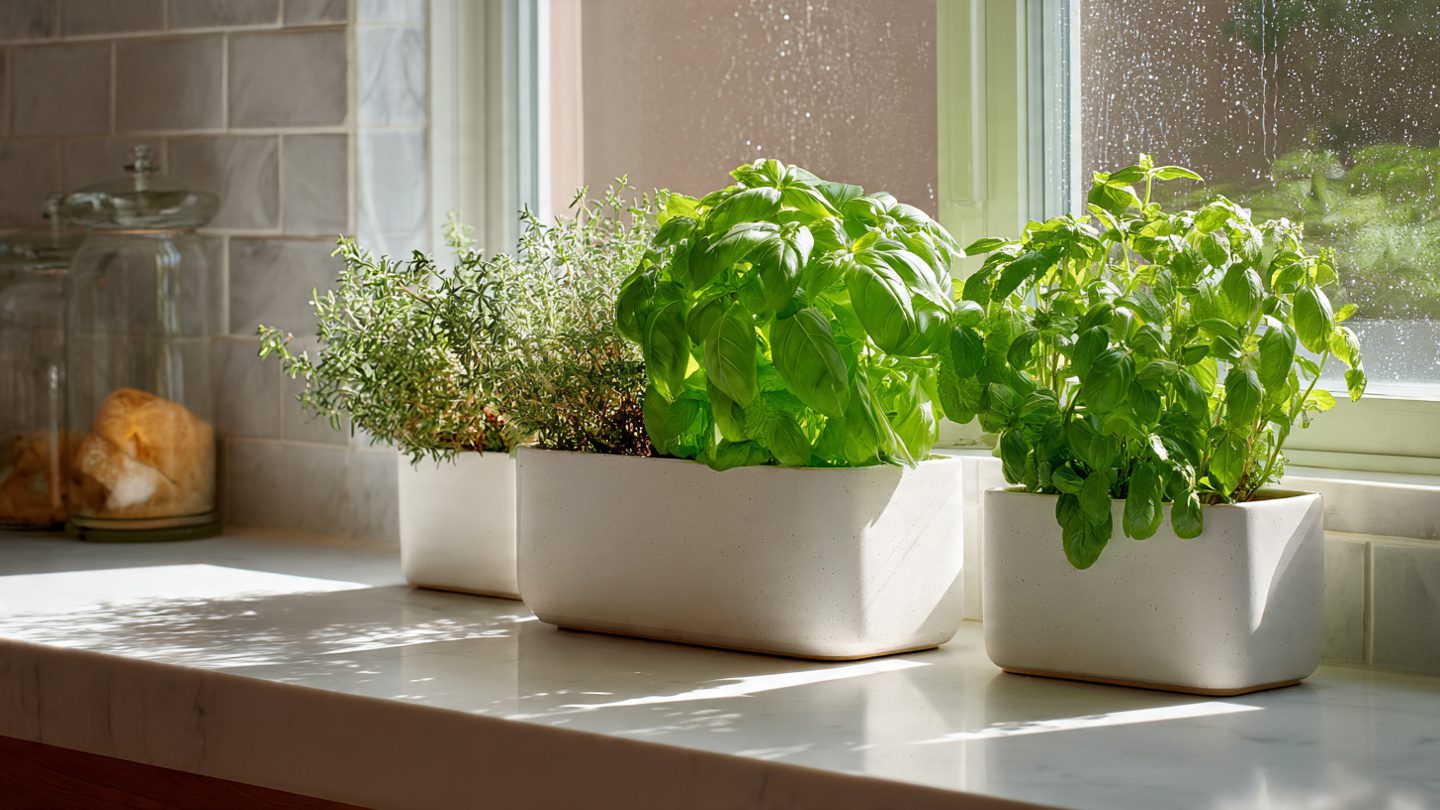
An indoor herb garden is one of the easiest ways for busy homeowners to enjoy fresh flavor, natural greenery, and a healthier lifestyle without committing to high-maintenance plant care routines. Unlike outdoor gardens that require seasonal planning, pest control, and frequent upkeep, indoor herbs thrive with minimal effort when set up correctly. If you enjoy growing aromatic herbs, the chocolate mint plant is one of the most rewarding additions to any indoor herb garden.
For people balancing work, family, and home responsibilities, a low-maintenance indoor setup removes the stress often associated with gardening. With the right herbs, proper lighting, and simple watering habits, you can grow herbs indoors year-round — even in small apartments or compact kitchens.
Beyond convenience, indoor herb gardens also enhance your living space. A small windowsill herb garden or a stylish countertop planter adds warmth, freshness, and a decorative touch to modern kitchens. Whether your home style is minimalist, farmhouse, or contemporary, herbs like basil, mint, and rosemary double as functional décor.
Growing herbs indoors offers several practical and lifestyle benefits:
Indoor herb gardening is especially ideal for homeowners who want sustainable living solutions without managing a full backyard garden. Mint spreads fast indoors — discover how to grow mint in a pot without it taking over your space.
One of the biggest advantages of a low-maintenance indoor herb garden is time efficiency. With smart planning, maintenance can take less than 10 minutes per week. Cilantro is another easy herb for beginners — learn how to grow cilantro at home with minimal effort.
Here’s how:
Busy homeowners don’t need a complex hydroponic system or a large vertical setup to succeed. Starting small ensures consistency and prevents plant neglect.
A simple indoor herb garden setup often works best. Focus on:
If natural sunlight is limited, an affordable LED grow light can supplement light without increasing maintenance demands.
By creating the right environment from the start, your indoor herbs require minimal intervention making this one of the most beginner-friendly gardening projects for modern homeowners.
Choosing the right plants is the foundation of a successful low-maintenance indoor herb garden. Some herbs naturally adapt better to indoor environments, require less watering, and tolerate minor inconsistencies in care — making them perfect for busy homeowners.
If your goal is to grow herbs indoors with minimal effort, start with varieties known for resilience and steady growth. Below are the best beginner-friendly options that thrive in small indoor spaces like kitchens, apartments, or countertops.
Basil is one of the most popular choices for an indoor kitchen herb garden. It grows quickly, adapts well to containers, and responds positively to regular harvesting.
Why it’s low maintenance:
Place basil near a sunny window with at least 6 hours of light. Water when the top inch of soil feels dry. Regular trimming prevents flowering and keeps the plant productive.
Mint is extremely forgiving, making it ideal for beginners starting their first indoor herb garden. It tolerates occasional overwatering better than many other herbs.
Why it’s easy to grow indoors:
Because mint spreads quickly, it’s best grown in its own pot. It’s perfect for tea lovers and those who enjoy fresh garnishes.
Chives are compact, upright, and require very little attention. Their small footprint makes them excellent for a countertop herb garden or small apartment setup.
Low-effort benefits:
Simply snip what you need, and the plant continues producing fresh shoots.
If you often forget to water plants, thyme is a reliable option. It prefers slightly dry conditions and doesn’t demand constant care.
Why thyme works well indoors:
Place thyme in a pot with drainage holes and avoid overwatering to prevent root rot.
Rosemary is slightly slower growing but extremely hardy once established. It prefers bright light and minimal watering.
Why busy homeowners love it:
Ensure good airflow and bright light for best results.
Instead of growing every herb at once, begin with 2–3 low-maintenance herbs. This keeps your indoor herb garden manageable and increases long-term success.
Creating a low-maintenance indoor herb garden starts with choosing the right setup. The goal is to design a system that fits seamlessly into your home while requiring minimal daily effort. Whether you live in a small apartment or a spacious home, the right arrangement can make growing herbs indoors simple and stress-free.
Below are practical and stylish indoor herb garden setup ideas that are ideal for busy homeowners.
A windowsill herb garden is one of the easiest ways to grow herbs indoors. If your kitchen receives 6–8 hours of sunlight daily, this setup requires almost no additional equipment.
Why it works:
Choose pots with drainage holes and rotate them weekly for even growth. This setup works especially well for basil, thyme, and chives.
If you often forget to water plants, self-watering planters are a smart solution. These containers store water in a reservoir and gradually supply moisture to the roots.
Benefits of self-watering herb planters:
This is one of the most efficient ways to maintain a healthy indoor herb garden without daily monitoring.
For apartments or compact kitchens, a vertical indoor herb garden maximizes space without cluttering countertops.
Options include:
Vertical setups improve airflow and sunlight exposure while adding a modern design element to your kitchen decor.
Not all homes have ideal natural light. In that case, LED grow lights provide a reliable alternative for growing herbs indoors year-round.
Why LED grow lights are helpful:
This setup ensures consistent growth, especially during winter months or in shaded apartments.
For the ultimate low-maintenance experience, smart indoor herb garden systems automate much of the process. Many hydroponic herb growing guide include built-in lighting, watering systems, and nutrient control. For busy homeowners, the best indoor herb garden kits make growing herbs almost completely hands-free.
These systems:
While slightly more expensive, they are perfect for homeowners who want fresh herbs with almost no daily involvement.
No matter which setup you choose, remember:
The best indoor herb garden setup is one that matches your lifestyle and requires minimal adjustment over time.
Even a low-maintenance indoor herb garden needs basic care to stay healthy and productive. The good news? Once your setup is correct, maintaining indoor herbs requires only a few simple habits each week.
By focusing on proper watering, light exposure, soil quality, and occasional pruning, you can grow herbs indoors successfully without turning it into a time-consuming task.
Overwatering is the most common mistake in indoor herb gardening. Most herbs prefer slightly dry soil between watering sessions.
General watering guidelines:
Herbs like thyme and rosemary prefer drier conditions, while basil may need slightly more frequent watering. Using self-watering planters can simplify this step for busy homeowners.soil-free growing
Choosing the right potting mix makes a significant difference in plant health. Regular garden soil is too dense for indoor containers.
Instead, use:
Good drainage prevents root rot and keeps your indoor herb garden thriving with minimal intervention.
Most indoor herbs require 6–8 hours of bright light daily. A sunny south- or west-facing window works best.
If natural light is limited:
Proper lighting reduces leggy growth and keeps herbs compact and flavorful.
Regular harvesting actually helps herbs grow fuller. Pruning encourages branching and prevents plants from becoming tall and weak.
Easy pruning tips:
Frequent light trimming keeps your indoor kitchen herb garden productive and visually appealing.
Even low-maintenance herbs can experience minor issues. Fortunately, most problems are easy to fix.
Common issues and quick solutions:
Catching small issues early prevents major plant decline and keeps maintenance simple.
To make care effortless:
With just a few minutes of weekly attention, your indoor herb garden can remain healthy, productive, and beautiful year-round.
A truly low-maintenance indoor herb garden isn’t just about choosing easy plants — it’s also about using the right tools. The proper equipment reduces daily effort, prevents common mistakes, and helps busy homeowners grow herbs indoors successfully with minimal involvement.
Below are practical tools that simplify indoor herb care while improving long-term plant health.
Indoor herb garden kits are ideal for homeowners who want a simple, ready-to-use solution. Many kits include:
These kits eliminate guesswork and are perfect for first-time gardeners. Some even include integrated lighting systems, making them suitable for apartments with limited natural sunlight. Parsley is a staple herb for any kitchen garden — follow these expert parsley plant care tips for guaranteed growth.
When choosing a kit, look for:
If remembering to water plants feels overwhelming, an automatic watering system can help maintain consistent moisture levels.
Options include:
These systems reduce overwatering and underwatering — two of the most common indoor herb garden mistakes.
For busy households or frequent travelers, this tool alone can dramatically improve plant survival rates.
Not every home has bright, south-facing windows. LED grow lights provide the full spectrum light herbs need to thrive indoors year-round.
Benefits of modern LED grow lights:
Installing a small grow light above your countertop herb garden ensures consistent growth, especially during winter or in shaded kitchens.
Function meets style when you choose decorative herb pots that complement your home’s interior design. Aesthetic containers encourage you to keep your indoor herb garden visible — which naturally improves maintenance consistency.
Look for:
Stylish planters turn your indoor kitchen herb garden into both a practical food source and a design feature.
While not essential, these tools can make maintenance even easier:
Remember, simplicity is key. The goal isn’t to overcomplicate your setup but to remove friction from your routine.
Starting a low-maintenance indoor herb garden doesn’t require a large budget, a backyard, or hours of weekly maintenance. With the right herbs, a simple setup, and a few smart tools, even the busiest homeowners can grow fresh, flavorful herbs indoors year-round.
The key is to keep things simple. Choose 2–3 easy herbs like basil, mint, or thyme. Place them in a bright windowsill or use an LED grow light if natural sunlight is limited. Opt for well-draining soil and pots with proper drainage holes. From there, a quick weekly check for watering and occasional pruning is usually all it takes to keep your indoor herb garden thriving.
Beyond convenience, indoor herb gardening brings more than fresh ingredients to your kitchen. It adds greenery to your home decor, improves air quality, and creates a calming, natural atmosphere in your living space. Whether you live in a compact apartment or a spacious house, an indoor kitchen herb garden can enhance both functionality and aesthetics.
If you’ve been putting off gardening because you think it requires too much time or effort, this is your sign to start small. A countertop herb garden or vertical indoor herb garden can fit seamlessly into your lifestyle without overwhelming your schedule.
Fresh flavors, beautiful greenery, and stress-free maintenance all from a simple indoor herb garden.